Learning about your lymphoma tests can be like learning a new language. It takes time and practice. Please keep this document handy so you can refer back to it as often as you need to. It will become easier to understand the more you read it.
Introduction
A bone marrow biopsy is a procedure done to diagnose and stage lymphoma, Chronic Lymphocytic Leukaemia (CLL) and other blood cancers. In some cases, a bone marrow biopsy procedure may be also done for people with solid tumours such as Ewing’s sarcoma.
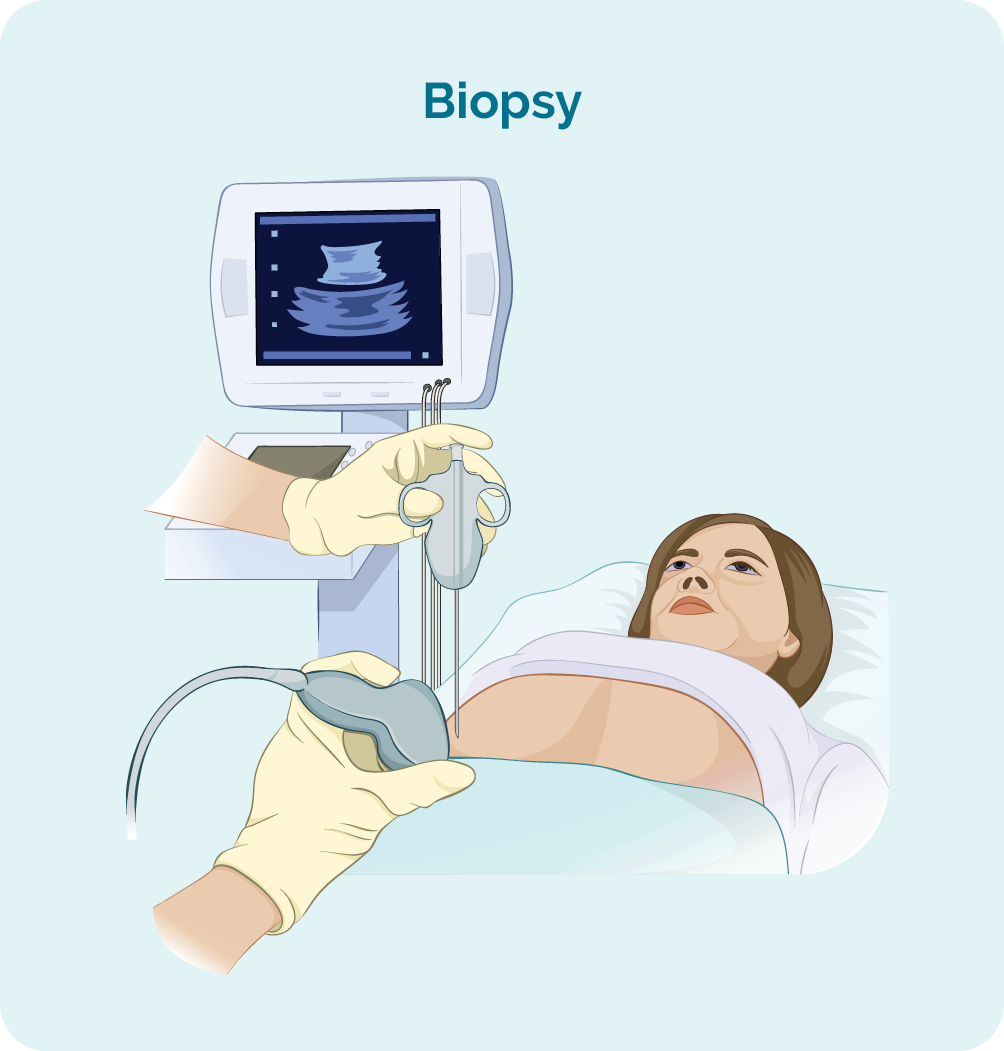
It can be done as an outpatient procedure or while you’re in hospital. During this procedure your doctor will numb an area of your back over your hip bone using a local anaesthetic. They will then insert a needle into your hip bone and take a sample of the bone marrow in the middle of the bone. The sample is then sent to the laboratory to check for signs of lymphoma or other cancerous cells.
Bone marrow biopsies are fairly safe procedures but there are some things you need to know. This bone marrow biopsy snapshot will give you an overview of the bone marrow procedure, what you need to know before you have the procedure, what to expect during the procedure, and how to care for yourself after the procedure.
Depending on where you have your procedure done, the process may be slightly different. Different facilities may use different medications or processes. However, there are different ways to collect a bone marrow sample, and this fact sheet only provides an overview. Your healthcare team will be able to give you more details about what to expect.
Why do I need a bone marrow biopsy?
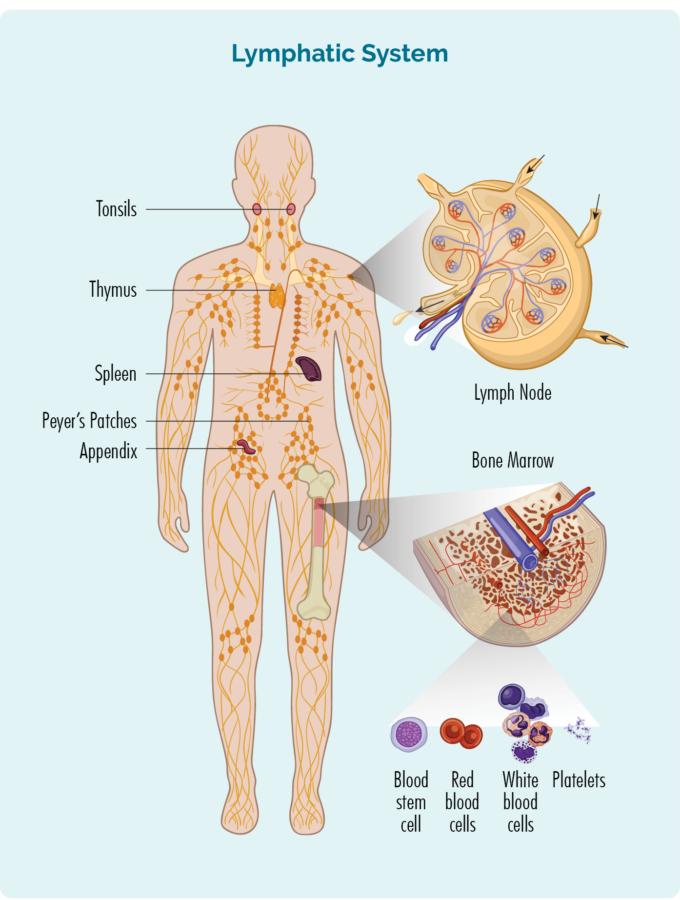
If you have a type of blood cancer such as lymphoma, CLL or leukaemia – or your doctor suspects you may have one of these blood cancers, they will want to do a bone marrow biopsy. This is because your blood cells are made in your bone marrow, which is the spongy middle part of your bones. By taking a sample of this bone marrow, your doctor can find out a lot about your disease.
The results of your biopsy will help your doctor work out the stage of your lymphoma or other cancer to determine what the best treatment for you will be.
Bone Marrow
The stage of lymphoma and CLL refers to how many, and what parts of your body have lymphoma or CLL in them.
Some blood cancers start in your bone marrow, while others such as most lymphomas can start in other parts of your body, but can travel to your bone marrow. By taking a sample of your bone marrow, your doctor can examine the cells to see if they are cancerous, and whether your blood cancer started in your bone marrow or elsewhere in your body. They may also send the sample to have cytogenetic tests done, to see if you have any gene mutations that may impact what treatment will likely work best for you.
Not all people with lymphoma will need a bone marrow biopsy however, so it is important to talk to your specialist doctor about what they believe is the best choice for you.
Before the procedure
Consent – You will need to give consent to having a bone marrow biopsy done. This is an official way of saying you have been given all the information you need, and based on the risks and benefits of the procedure, you give the doctor or nurse practitioner permission to perform the procedure on you. Make sure you ask the doctor or nurse as many questions as you need to get the right information so you can make your choice.
Some questions you may like to consider asking include:
- Can I eat and drink before the bone marrow biopsy? If not, what time should I stop eating and drinking?
- Can I still take my medications before the procedure? (Take a list of all your medications, vitamins and supplements to your appointment to make this easier? If you are diabetic, have issues with your blood pressure or are taking blood thinners it is important to mention this to your doctor).
- Can I drive myself to and from the clinic on the day of my bone marrow biopsy?
- How long will the procedure take, and how long will I be in hospital or at the clinic on the day of my bone marrow biopsy?
- How will you make sure I am comfortable, or do not feel pain during the procedure?
- When can I go back to work or school?
- Will I need anyone with me after the procedure?
- What can I take for pain relief if I get pain after the procedure?
- What side effects or complications should I look out for after the procedure?
Medications – You may need to stop taking some medications up to 7 days before your bone marrow biopsy. Talk to your doctor about what medications you should continue taking, and which ones you should stop taking. Make sure to mention all medications prescribed by a doctor, as well as any over the counter medications including vitamins and supplements.
Driving – You may not be able to drive home after your bone marrow biopsy. Check with your doctor or nurse before the day of your biopsy if you need to organise someone to take you to the appointment and home. If you have medications to sedate you (make you sleepy but not put you to sleep), you will not be able to drive or operate machinery for at least 24 hours – one whole day and night.
Day of bone marrow biopsy
Fasting – You may need to fast before your bone marrow biopsy. Often this means not eating anything for at least 6 hours before your procedure, and not drinking anything for at least 2 hours before the procedure. This may be different, depending on what medications you will be having with your procedure. Ask your doctor or nurse if you need to fast, and for how long.
Note: If you are diabetic please let your doctor and nurses know when you arrive for your appointment so they can monitor your blood sugar levels, and plan your care to keep you safe while fasting.
Clothing – You may be asked to put on a hospital gown, or you may be able to wear your own clothes during the procedure. Wear loose clothing that provides easy access to your hip bone. A loose shirt with a pair of pants or skirt with elastic waist is a good idea.
When you arrive – After you are checked in, your nurse will:
- Check your vital signs (observations) including your temperature, blood pressure, heart rate and oxygen levels.
- Check your blood sugar level if you are a diabetic.
- Put a cannula in your arm in case you need fluids or medication through a drip (If you have a central line you may not need a cannula).
- Take a blood test.
- Make sure you have signed a consent form to have the bone marrow biopsy.
During the procedure
The procedure is very quick, usually only taking 10-20 minutes.
Local Anaesthetic – You will have a local anaesthetic injected into the area around your hip where the doctor will insert the bone marrow biopsy needle. A local anaesthetic is a medication that numbs the area, but you do not get sleepy from it.
The local anaesthetic cannot numb your bone marrow, so you may still feel a sharp sucking feeling that lasts less than 3 seconds when the sample is taken.
Other medications – these will differ slightly between different hospitals and patients, but may include:
- Gas and air – Gas and air gives shortacting pain relief that you breathe in yourself when you need it.
- Intravenous medication – medication is given to make you sleepy but not completely asleep. Examples of these include midazolam or fentanyl.
- Penthrox inhaler – is a medicine used to reduce pain. You breathe this in using a special inhaler. Patients usually recover afterwards faster from this type of pain relief. This is sometimes known as the “green whistle”.
Note: If you have severe anxiety or suffer from panic attacks and are particularly concerned about having the bone marrow procedure, talk to your doctor about how to manage this. In some cases, you may need some extra medication to help you feel less anxious.
Keeping you safe: While the doctor performs your bone marrow biopsy, you will have a nurse with you to monitor your vital signs and make sure you are as comfortable as possible. You may also need to have some oxygen if you have medication to make you feel sleepy
Biopsy samples taken – There are two types of samples your doctor will take during a bone marrow biopsy. These include:
• Bone marrow aspirate (BMA): this test takes a small amount of the liquid found in the bone marrow space.
• Bone marrow aspirate trephine (BMAT): this test takes a small sample of the bone marrow tissue, whilst still taking the liquid found in the bone marrow space.
These samples will then be sent to pathology for testing. They will be looking to see what your blood cells look like under a microscope, and if there are any signs of cancerous blood cells.
They may also do some genetic tests on the samples to see if you have genetic changes in your cells that may provide information on what the best types of treatments will be for you.
After the procedure
You will probably stay at the hospital or clinic for up to two hours after your procedure. During this time there are a few things your nurse will be checking on.
Wound dressing – You will have a small wound on your back over your hip bone. It is unlikely you will have any stitches, but you will have a small dressing over the wound. The dressing will be checked over the next two hours by the nurse for signs of bleeding. You may be asked to lay flat for up to 30 minutes, which helps to put pressure on the wound and prevent bleeding.
Pain management – You may have a cold pack placed over the wound too, which helps to prevent bleeding, and can also help reduce any inflammation or pain. However, the local anaesthetic usually lasts several hours, so you should not have much pain at this time.
If you have pain, let your nurse know, as this may be a sign of temporary nerve damage, or bleeding deeper in the tissue that is not showing on your dressing. This is an uncommon complication of the procedure.
Vital signs – Your nurse may check your vital signs regularly over the next two hours. This is more common if you have sedation.
Eating and drinking – You will be given something to eat and drink before you go home.
Sedation – If you have sedation you will have your vital signs checked regularly. You will NOT be able to drive home or operate machinery for the next 24 hours (full day and night). You cannot sign any legal paperwork or documents for the next 24 hours either. Check with your nurse when you can do these things again.
You may also need to have someone with you for the 24 hours following the procedure, in case you need help.
Note: Before you go home, make sure you know who to contact, and how to contact them if you have any concerns over night.
At home
If you have pain, you can take paracetamol (also called Panadol or Panamax or Febridol, or Paralgin or Parapane). However, check with your doctor first as some people with liver problems may not be able to take paracetamol.
You can shower or bathe normally – your wound dressing is waterproof. The dressing can usually come off after a few days, but check with your nurse how long to leave it in place.
Risks of Bone Marrow Biopsy
Pain – It is common to have some pain after a bone marrow biopsy. This is usually managed well with paracetamol. Cold packs can also help. However, very rarely, someone may have pain that is more severe.
When to contact your doctor or nurse – If your pain does not improve with paracetamol and a cold pack, contact your nurse for further advice.
Nerve damage – This is very rare but can happen. Usually it is mild and only temporary, getting better without any need for medical intervention. However, in some cases it may be more severe. Signs of nerve damage may include numbness or weakness in your lower body and legs, or pain not managed with paracetamol and a cold pack. This sort of pain may also travel down your bottom and legs.
When to contact your doctor or nurse – If you have new weakness or numbness, or you have pain that is not improved with paracetamol or cold pack.
Bleeding – There is usually very little bleeding after a bone marrow biopsy. In rare cases bleeding may be more severe, particularly if you have low platelet levels or other clotting disorders. If your bleeding saturates your dressing, put pressure on the wound for 5-10 minutes and use a cold pack. Do not remove the dressing as it may cause more bleeding by removing any scab forming.
When to contact your doctor or nurse – If you continue to bleed after applying pressure and a cold pack.
Infection – Is a rare complication of bone marrow biopsy.
When to contact your doctor or nurse – If you have any of the following:
- Fever (temperature above 38 degrees Celsius)
- Increased pain at the injection site
- Swelling or redness at the injection site
- Any pus or oozing other than blood from the site.
Insufficient sample
Occasionally, the doctor may not be able to get a good enough sample of your bone or bone marrow. In these cases, you may need to have a second bone marrow to get the results needed.
Summary
- Bone marrow procedures are generally safe procedures commonly used to diagnose or stage lymphoma, CLL and other blood cancers.
- Having the procedure is your choice and you will need to sign a consent form if you choose to have the procedure done.
- Wear loose clothing to your appointment.
- Do not eat for 6 hrs before your procedure – unless the doctor or nurse tells you otherwise.
- Let the healthcare team know if you have diabetes when you arrive to your appointment.
- Check with your doctor or nurse about medications you can take before the procedure.
- Talk to your doctor about the best pain relief or anti-anxiety medications you may need.
- You should aim to be at the hospital or clinic for up to 2 hours after your procedure.
- Find out who to contact if you have any concerns both during business hours and overnight or on weekends/ public holidays.
- Report any concerns to your doctor
Resources and support
Lymphoma Australia offers a wide range of resources and support for people living with lymphoma or CLL, and their carers. How to access our resources:
- Visit our website www.lymphoma.org. au for more information.
- Phone our Lymphoma Care Nurse Hotline on 1800 953 081.
- Email our Lymphoma Care Nurses nurse@lymphoma.org.au
- Booklet: Understanding Non-Hodgkin Lymphoma (NHL)
- Downloadable information: Visit our website, or give us a call if you would like some more information on a variety topics related to lymphoma
- Join our Facebook page Lymphoma Down Under (make sure you complete all the membership questions when you join).
Cancer Council offers a range of services, including free counselling, to support people affected by cancer, including patients, families and friends. Services may be different depending on where you live. You can contact them at www.cancer.org.au or by phone on 13 11 20.
Medicare Australia: Check with your GP if you are eligible for a Mental Health Treatment Plan (MHTP). This plan is funded by Medicare and can provide you with up to 10 sessions with a registered psychologist. More information can be found here.
WeCan is an Australian supportive care website to help find the information, resources and support services you may need following a diagnosis of cancer. You can visit their website at www.wecan.org.au.
Canteen provides support for young people aged 12-25 years who have cancer, or, who have a parent with cancer. Find out more at their website here www.canteen.org.au.
Health Translations: A collection of health related information collected by the Victorian Government with resources in different languages. You can visit their website at www.healthtranslations.vic.gov.au.
Useful links
Bone Marrow Biopsy webpage
Disclaimer: Lymphoma Australia has taken every precaution to make sure the information in this document is accurate and up-to-date. However, this information is intended for educational purposes only and does not substitute for medical advice. If you have any concerns about your health or wellbeing, please contact your treating team.