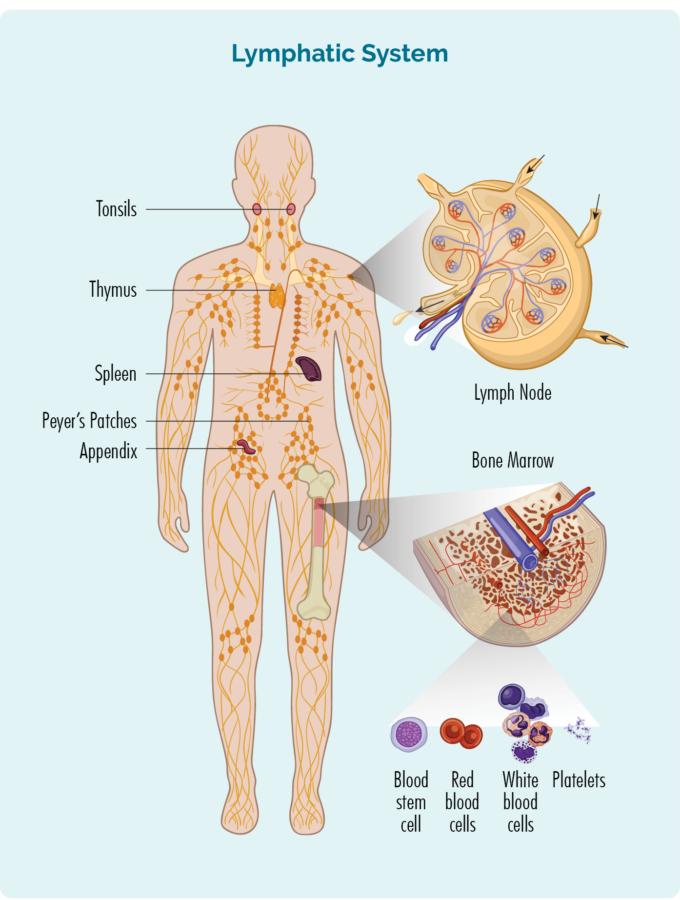
OVERVIEW
Monoclonal B-cell lymphocytosis (MBL) is a pre-cancerous condition in which there is an abnormal population of lymphocytes called B-cells in the blood. The “fingerprint” of these B-cells is similar to a type of chronic blood cancer known as chronic lymphocytic leukaemia (CLL).
MBL is rare in people under 40 years of age (2- 3 per 1000 people) but becomes more common affecting 5-9% of people over the age of 60 years. Other risk factors for MBL are a family history of CLL, and infections particularly hepatitis C.
TYPES OF MONOCLONAL B-CELL LYMPHOCYTOSIS (MBL)
MBL can be divided into two types: “low count” and “high count”. Low count MBL is when the number of abnormal lymphocytes in the blood is less than 5000 (<0.5 x 10⁹/L). High count MBL is when there are 5000 or more (≥0.5 x 10⁹/L) abnormal lymphocytes in the blood.
People with low count MBL do not progress to CLL. From every 100 patients with high count MBL, 1-2 people each year will develop CLL and go on to require treatment. However, having MBL does not affect your lifespan in most instances.
DIAGNOSIS AND STAGING
People who have a raised lymphocyte count on a blood test may be investigated if the lymphocyte count has been high for over a period of 3 months or more, with no other medical reason identified.
A blood test called flow cytometry is required for a diagnosis of MBL. This technique reads the “fingerprint” of your lymphocytes and can determine the numbers of lymphocytes and whether they are normal (polyclonal) or abnormal (clonal).
In MBL and CLL, the “fingerprint” is the same, however the number varies. In order to be sure of an MBL diagnosis your doctor will examine you to ensure there are no enlarged lymph nodes, liver or spleen. Once a diagnosis of MBL is made, the majority of people will require no further testing and will have a yearly monitoring appointment of blood counts and a physical examination.
There are, however, a small amount of people with MBL who will go on to have the following staging tests in order to rule out that they indeed have MBL and do not have a type of lymphoma such as CLL or small lymphocytic lymphoma (SLL); that is similar to CLL;
- Computed tomography (CT) scan is performed if there are any concerns for swelling in a person’s lymph nodes
- Lymph node or bone marrow biopsy is performed if there are any concerns for abnormal cells to be circulating in the bone marrow
TREATMENTS AND FOLLOW UP OPTIONS
No treatment is necessary for people with MBL. They will, however, need to attend their doctor once a year to have a repeat blood test for monitoring and a physical examination. Some GPs are happy to monitor patients with MBL, while others will prefer you to see a Haematologist.
Patients with a rapidly rising lymphocyte count (over 30 x 109L), enlarging lymph nodes or unexplained fevers, drenching sweats or weight loss should see their Haematologist again as these symptoms can indicate progression from MBL to CLL or SLL and may indicate the need for treatment.
WHAT YOU CAN DO IF YOU HAVE MBL
It is important for all of us to maintain a healthy lifestyle in order to reduce our risk of getting certain diseases. People with MBL have been shown to have a higher risk of getting repeated infections and secondary cancers so the following care is recommended;
- Always protect your skin from sun exposure by applying a SPF 50+ sunscreen and covering your skin where possible with clothes, a hat and sunglasses
- Have your vitamin D levels checked in your blood and your GP will advise whether you need to take a vitamin D supplement
- Keep an eye on your skin and report any new or concerning skin spots to your GP and attend a yearly skin check through your GP or specialist skin cancer clinic
- • Always keep up to date with any immunisations available to you including the yearly influenza vaccine and recommended vaccines when travelling to other parts of the world although live vaccines such as the MMR (measles, mumps and rubella) is not recommended if you have MBL as this is a live vaccine
- Always attend age appropriate cancer screening checks including colonoscopy, mammogram and pap smears
RESOURCES AND SUPPORT