
Hailey’s Journey with Diffuse Large B Cell Lymphoma (DLBCL)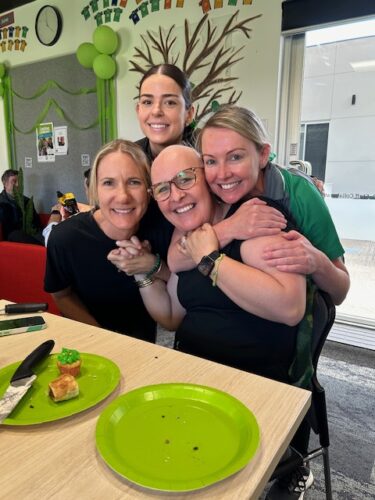

In May 2024, just after Mother’s Day, Hailey Weaire noticed a lump under her left armpit—a seemingly small sign that would soon turn her world upside down. At first, she thought it might just be a cold, something harmless that would pass. But as the weeks went on and she continued to feel unwell, she knew she had to seek medical advice. In June, Hailey visited her doctor, beginning a whirlwind of tests, biopsies, and hospital visits. On July 12th, her fears were confirmed when she heard the words no one ever wants to hear: “You have lymphoma.” Diagnosed with Stage 1 Diffuse Large B Cell Lymphoma (DLBCL), Hailey’s life changed in an instant.
Just days after her diagnosis, Hailey began chemotherapy, specifically R-CHOP, a treatment regime that would challenge her both physically and emotionally. As with many undergoing treatments, Hailey experienced intense side effects. The numbness in her fingers, the overwhelming fatigue, and the deep bone pain often left her feeling drained. But it wasn’t just the physical toll—mentally, she struggled too. After her second round of chemo, Hailey hit rock bottom. The emotional burden of balancing her roles as a mother, wife, and teacher while battling cancer felt overwhelming.

Finding Strength Through Support
It was during these difficult moments that Hailey leaned on her support system—both her personal network and the wider lymphoma community. Hailey credits much of her emotional recovery to her psychologist, who helped her navigate the fear, grief, and uncertainty that comes with a cancer diagnosis. But it wasn’t just her therapist who helped her find her way through the storm.
Lymphoma Australia played a pivotal role in Hailey’s journey. The Lymphoma Down Under Facebook support group became her lifeline, a place where she could connect with others who understood what she was going through. In those online communities, Hailey found comfort and solidarity, knowing she wasn’t alone in her battle. She recalls how reassuring it was to talk to people who had been through similar experiences, offering advice, sharing their stories, and simply being there during those tough days. The connections she made in that group carried her through some of her darkest moments, reminding her that she was part of a much larger community of fighters.
Additionally, Hailey found great comfort in the treatment pack provided by Lymphoma Australia. Packed with thoughtful items designed to make chemotherapy a little more bearable, the pack became a source of practical help and emotional reassurance—every part of that pack made a difference. It wasn’t just about the items themselves; it was a reminder that there were people out there, even strangers, who cared about her wellbeing and were cheering her on from afar.
 A Family’s Love and Solidarity
Throughout her journey, Hailey’s family has been her rock. Her daughters—Maddisyn (11), Kaylee (10), and Ashlyn (4)—became a source of inspiration, their unwavering love giving Hailey the strength to keep fighting. When it came time for Hailey to shave her head in preparation for chemotherapy, her daughters didn’t hesitate to stand by her side, both literally and emotionally. Kaylee and Maddisyn even got pixie cuts in a touching show of solidarity with their mum, a powerful reminder of the deep bond they shared.
Hailey’s husband, Scott, was her constant companion through her first few treatments, offering love and support during those early difficult days. When Scott had to return to work, Hailey’s mum, Lynne, stepped in, accompanying her to treatments and caring for her when she felt unwell. Lynne’s presence became a source of great comfort, helping Hailey through the hardest cycles of chemotherapy. Lynne also took her support to the next level by bravely shaving her long hair, a gesture that symbolised the strength of a mother’s love.
Hailey’s in-laws also played a crucial role, providing practical support by helping with the children. With Hailey often too unwell to manage school pick-ups, their willingness to step in ensured that Maddisyn, Kaylee, and Ashlyn continued to have the stability and care they needed.
These moments of shared sacrifice brought the family closer together, united by their love for Hailey and their determination to help her through this fight.
 A Journey of Resilience
While Hailey’s journey hasn’t been easy, it’s one defined by resilience and hope. On September 5th, Hailey received the life-changing news that she was in full remission, a milestone that marked the end of her active battle with lymphoma. Though the fight was over, Hailey continues to manage some lingering side effects from the treatments.
Hailey has learned to embrace the challenges, leaning on her support network and finding strength in the small moments of joy and connection. Whether it was a kind word from a fellow cancer survivor in the Lymphoma DownUnder Facebook group, the calming presence of her Lymphoma Care Nurse, or the quiet strength of her family, Hailey never walked this road alone. Today, Hailey continues her journey with a renewed sense of purpose. She’s sharing her story to raise awareness about lymphoma, helping others understand the importance of early diagnosis, and encouraging people to support Lymphoma Australia’s vital work. Hailey knows firsthand how critical support is—both emotional and practical—and she hopes that by sharing her journey, she can help ensure that no one faces lymphoma alone.
We are beyond grateful to Hailey for her courage, her openness, and her willingness to share her experience. Her story is a powerful reminder that even in the face of life’s hardest battles, love, community, and hope can shine through.