Past Events

Online Patient and Carer Education
Tuesday 12th of May 2026
3:00pm AEST - 4:00pm AEST
Online Patient and Carer Education
Thursday 23rd of April 2026
4:00pm AEST - 5:00pm AEST
Online Patient and Carer Education
Monday 23rd of February 2026
4:00pm AEDT - 5:00pm AEDT
Online Patient and Carer Education
Wednesday 22nd of October 2025
4:00pm AEDT - 5:30pm AEDT
Online Patient and Carer Education
Monday 8th of September 2025
4:00pm AEST - 5:30pm AEST
Online Patient and Carer Education
Wednesday 20th of August 2025
4:00pm AEST - 5:30pm AEST
Online Patient and Carer Education
Monday 21st of July 2025
4:00pm AEST - 5:30pm AEST
Online Patient and Carer Education
Tuesday 8th of July 2025
4:00pm AEST - 5:30pm AEST
Online Patient and Carer Education
Thursday 29th of May 2025
4:00pm AEST
In Person Patient and Carer Education
Tuesday 13th of May 2025
12:30pm AEST - 3:45pm AEST 176 Cumberland Street, Sydney

Support and information

Contact Lymphoma Australia Today!

Please note:
Lymphoma Australia staff are only able to reply to emails sent in English language.

Useful Definitions

  • Refractory: This means the lymphoma does not get better with treatment. The treatment didn’t work as hoped.
  • Relapsed: This means the lymphoma came back after being gone for a while after treatment.
  • 2nd line treatment: This is the second treatment you get if the first one didn’t work (refractory) or if the lymphoma comes back (relapse).
  • 3rd line treatment: This is the third treatment you get if the second one didn’t work or the lymphoma comes back again.
  • Approved: Available in Australia and listed by the Therapeutics Goods Administration (TGA).
  • Funded: Costs are covered for Australian citizens. This means if you have a Medicare card, you shouldn’t have to pay for the treatment.[WO7]

You need healthy T-cells to make CAR T-cells. For this reason, CAR T-cell therapy cannot be used if you have a T-cell lymphoma – yet.

For more information on CAR T-cells and T-cell lymphoma click here. 

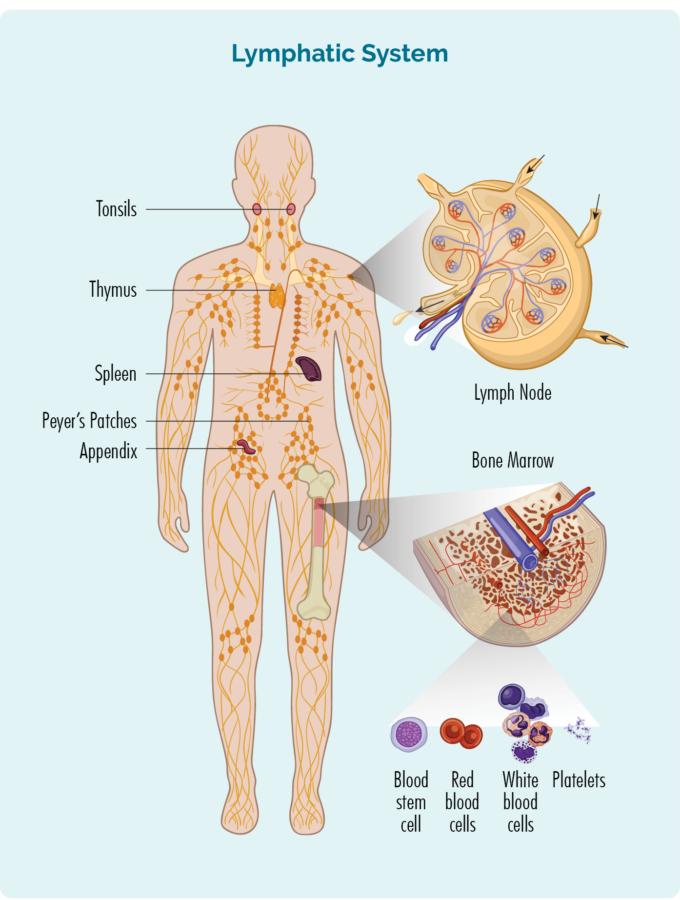
Special Note: Although your T-cells are removed from your blood for CAR T-cell therapy, most of our T-cells live outside of our blood – in our lymph nodes, thymus, spleen and other organs.