Learning about your lymphoma can be like learning a new language. It takes time and practice. Please keep this document handy so you can refer back to it as often as you need to. It will become easier to understand the more you read it.
Overview
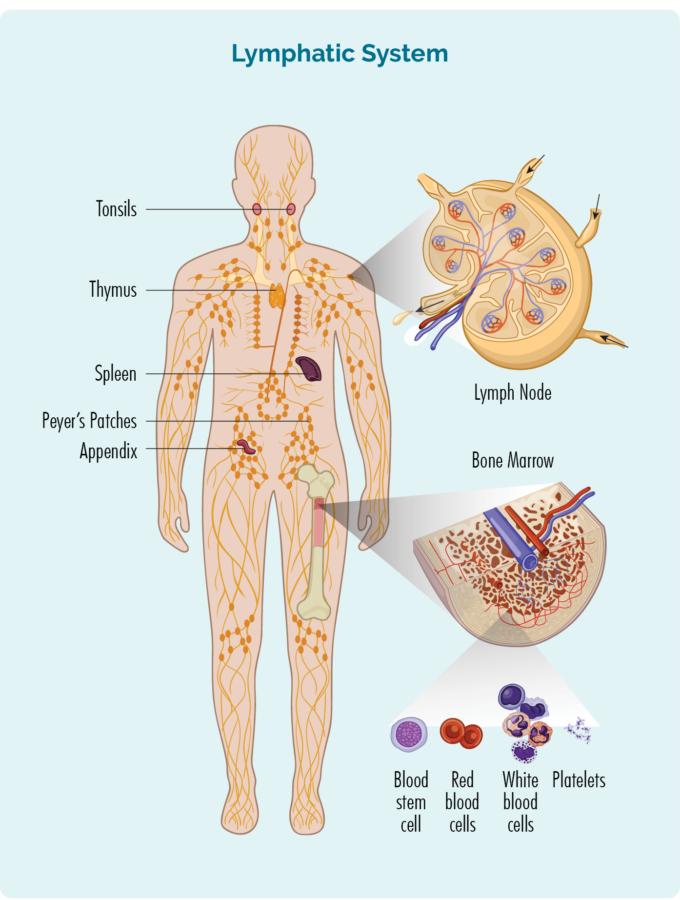
Stem cell transplants (SCTs) – also sometimes called bone marrow transplants, are a type of “rescue treatment” used to restore your bone marrow after high-dose chemotherapy. Our bone marrow is the spongy middle part of our bones where all our blood cells are made.
Chemotherapy can be very toxic to your bone marrow because it cannot tell the difference between healthy and diseased cells. For this reason, your doctor needs to make sure you get enough chemotherapy to treat your lymphoma, while making sure you have enough good blood and other cells to keep you as well as possible during treatment.
Sometimes, if your lymphoma does not respond well to other treatments, or if it has a high chance of coming back (relapsing), you may benefit from a higher dose of chemotherapy. However, this higher dose of chemotherapy is aimed at destroying all cells within your bone marrow. Normally, you could not survive this. But if the high-dose chemotherapy is followed with a stem cell transplant, we can “rescue your bone marrow” by replacing those good cells with healthy cells that are designed to develop into any blood cell you need.
What is a stem cell?
A stem cell is one of the smartest cells in our body. It can tell when we need more cells and develop into that cell. We have different types of stem cells and it is the haematopoietic stem cells that become blood cells. They receive information from different chemicals in our body that let it know when one of cells are running low, and they become that cell. Haematopoietic stem cells can become:
Red blood cells (erythrocytes) – Red cells have a protein called haemoglobin on them that attaches to oxygen when it passes through our lungs, and takes the oxygen throughout our bodies to give our cells energy. When we don’t have enough red cells (or haemoglobin on those red cells) we can get very tired, lack energy and become dizzy and light headed.
The medical term for low red blood cells is anaemia.
Platelets (thrombocytes) – Platelets are important for helping us to keep our blood in our blood vessels and not bleed or bruise too much. They do this by plugging up any small or large holes we can get if we bump or cut ourselves. They also activate other cells and proteins that also help at stopping bleeding.
The medical term for low platelets is thrombocytopenia.
White cells (leukocytes) – White blood cells are important immune cells that help keep us healthy by fighting infection and disease; Or identifying damaged cells and helping them to either repair themselves or be destroyed. We have several different types of white blood cells, but the main ones you need to know about when you have lymphoma are lymphocytes – the cells that become cancerous in lymphoma, and neutrophils the cells that are first to fight infection and disease. When our white cells are too low (or diseased) we can get lots of infections, or have infections that don’t go away.
The medical term for low white blood cells is called leukopenia, but when it is the white blood cell called neutrophils that are low, it is called neutropenia.
More haematopoietic stem cells – To make sure we don’t run out of stem cells; the haematopoietic stem cell creates new cells by dividing and becoming two cells. One cell will be one of the above blood cells, and the other will be another haematopoietic stem cell.
Who needs a stem cell transplant (SCT)?
Your doctor will consider your overall health, fitness and well-being before considering a SCT. However, not everyone with lymphoma will need a SCT. Some reasons why you may need a SCT include:
- Your lymphoma has not responded to first-line treatment (we call this refractory lymphoma), but has responded to second-line, or salvage chemotherapy.
- Your lymphoma has relapsed (come back) after a time of remission, and you have had a good response to your new treatment.
- If your doctor believes you have a high chance of relapsing you may be offered a stem cell transplant. This would happen after your first-line treatment to improve your chances of a long remission.
Who should not have a stem cell transplant (SCT)?
If Stem cell transplants are not for everybody. You need to be fairly healthy to tolerate an SCT. The high-dose chemotherapy, and time it takes for stem cells to create new blood cells (about 3 weeks), can make it very dangerous for some people.
You may also need to stay in hospital for about a week before the SCT to receive high-dose chemotherapy. Then you will need several weeks (often at least 3-6 weeks) after the SCT, while your stem cells are making new cells. In some cases, you may be able to have a SCT as an outpatient, but you will need to stay close to the hospital and have appointments every day, or every second day at the hospital. This is only possible if you have an SCT using your own cells (autologous). If you become unwell during this time, you will be admitted to hospital. You will not be able to have an SCT if you cannot spend the time in hospital, or have suitable arrangements to have an outpatient SCT.
Some hospitals have a cut-off age for SCTs due to older people often not being able to tolerate the procedure. You will need to talk to your doctor about the rules in place where you are having treatment, but often the cut off age is around where you are having treatment, but often the cut off age is around 65-70 years.
You will also not be suitable to have a stem cell transplant if your lymphoma has not responded to salvage chemotherapy. Stem cell transplants are not safe for people with actively growing lymphoma and will not be effective.
Where do stem cells come from?
Our haematopoietic stem cells live in our bone marrow where all our blood cells are made. Before an SCT these cells need to be collected, and stored in a laboratory before being given to you. In some cases, the stem cells used will be your own – this is called an autologous SCT. In other cases, the stem cells may come from somebody else – a donor. When a donor’s stem cells are used it is called an allogeneic SCT. This brochure will provide information on autologous SCTs, more information on allogeneic SCTs can be found on our webpage https://www.lymphoma.org.au/ support-for-you/fact-sheets/
Stem cells can be collected in the following ways.
Peripheral blood. Although the stem cells live in our bone marrow, medications called granulocyte colony stimulating factors (GCSF), can help us develop so many stem cells that they spill out of our bone marrow, and into our blood that circulates around our body. This circulating blood is called peripheral blood. During a procedure called apheresis, the stem cells can be collected from the blood.
Bone marrow. Stem cells can be collected straight from the bone marrow. This is more common in children and rarely done for adults. It is done as a surgical procedure with a general anaesthetic, so you will sleep through the procedure. The stem cells will be removed from bone marrow in your hip bone.
Umbilical cord blood. When babies are born, the placenta and umbilical cord are filled with stem cells. These stem cells can be collected, frozen and stored for use in stem cell transplants.
Steps of a stem cell transplant (SCT)
A SCT is a complex, multi-step procedure that needs to be carefully planned and timed for your safety, and to increase the effectiveness of the procedure. There are three main steps.
Step one – Stem cell collection (or harvest)
The first step is to collect your stem cells. The collection will be done after you’ve had several rounds of chemotherapy, or during a time of remission.
You will be given injections of a medicine called granulocyte colony stimulating factor (GCSF) into your tummy to help your body make more stem cells. This helps your bone marrow create lots of healthy stem cells, and then pushes them out into your blood so they can be collected by an apheresis machine.
The injections will be daily or twice daily. You will also be having blood tests to check the levels of stem cells. Once your levels are high enough, you will be connected up to an apheresis machine to begin the collection.
Apheresis is a procedure that you will have if you are having a peripheral blood SCT. During apheresis your blood is slowly and steadily removed and spun in the centrifuge of the apheresis machine. As your blood spins, the weight of the different blood cells helps the machine to separate them. The stem cells are then collected in a special blood bag, while the rest of your blood is returned to you. This procedure can take 4-6 hours and may be over 1-3 days, depending on how many stem cells are collected.
You will need to have either two cannulas, or a dual lumen central line (either a HICKMANs, vascath or apheresis catheter) for the collection. This way the blood is removed from one cannula or lumen, and returned to you through the other one.
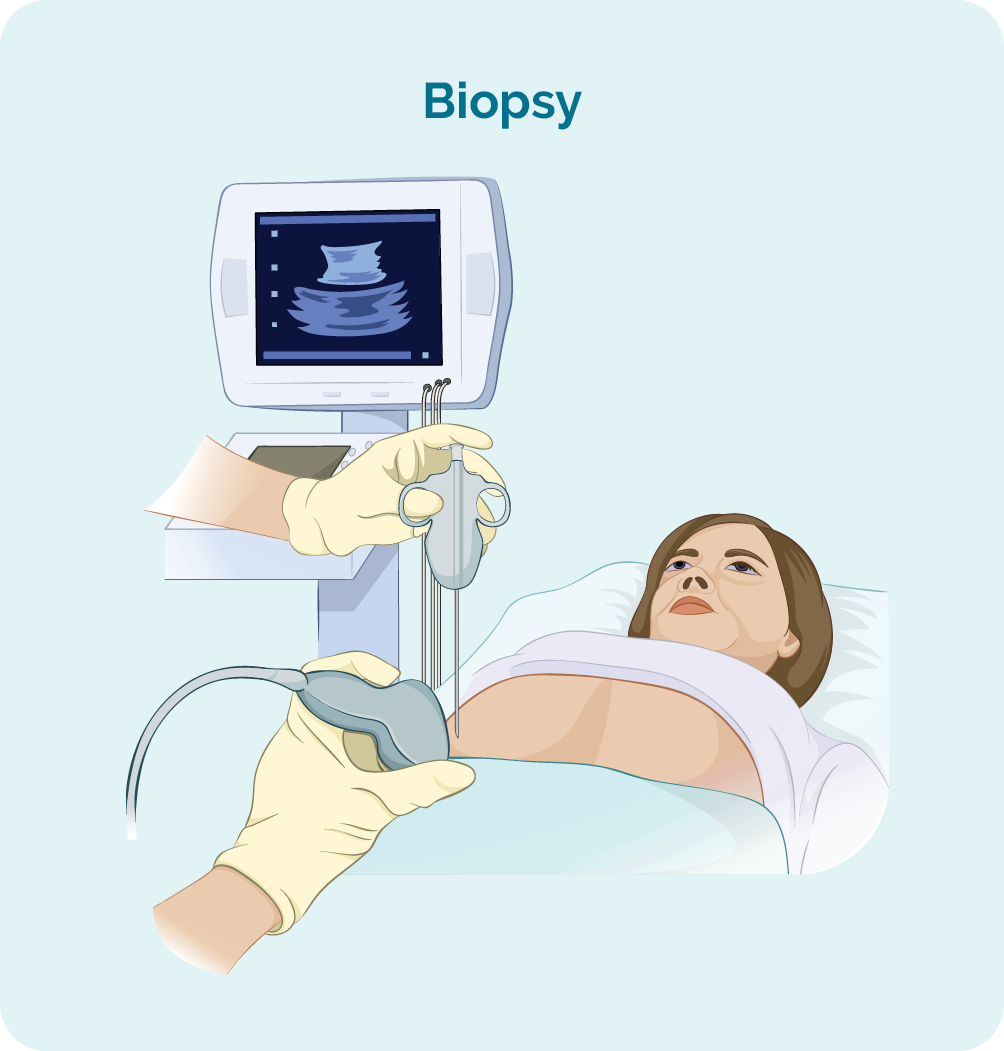
Bone marrow transplants are rare, and usually only done for children now, though in very rare cases may be done in adults. If you are having a bone marrow SCT you will need to go to the operating room where you have a general anaesthetic so you can sleep through the procedure. It is done in a similar way to a bone marrow biopsy, but more of the bone marrow is taken to get enough stem cells for the transplant.
The stem cells will then be taken to the laboratory, where they will have a preservative called DMSO added to them to keep them alive while they are frozen and stored.
Step two – High-dose chemotherapy with or without radiotherapy
You will be admitted to hospital for about a week before you are scheduled to have the SCT. During this time, if you don’t already have one, you will probably have a central line inserted to handle all the intravenous fluids, including the stem cells, blood products, saline, antibiotics and sometimes liquid food to help keep you as well as possible while your stem cells are developing into healthy blood cells.
You will have high-dose chemotherapy which is stronger, and more toxic to your cells than any chemotherapy you have had before. This is because in the past, your doctor has tried to protect your good cells, but with the SCT, the aim is to destroy all of your blood cells and bone marrow, so they can be replaced with the new and healthy stem cells.
There are different types of chemotherapy protocols that may be used before an SCT. Your doctor or specialist cancer nurse will be able to talk you through the protocol chosen for you and the possible sideeffects.
In some cases, you may even have radiotherapy to help destroy your bone marrow before an SCT however, this is more common with children.
Step three – Transplanting the stem cells – reinfusion
After you have your high-dose chemotherapy you will have the stem cells reinfused (transplanted) into your bloodstream through your central line. These stem cells can multiply and begin to develop into your different types of blood cells however, this process can take three or more weeks.
During the reinfusion, there will usually be a doctor close by, and you will have a nurse and a scientist from the laboratory where your stem cells were stored, with you during the SCT. The stem cells will remain frozen until just before they are infused into you. This is to keep them as healthy as possible and prevent cells from dying before they get to you. You may have one or multiple bags of stem cells during the reinfusion. This depends on how many cells are in each bag.
Each bag of stem cells is infused over less than 15 minutes. Your nurse will monitor you and do your vital signs including temperature, blood pressure and heart rate throughout the transplant to make sure you are not having a reaction to the preservative (DMSO) in the stem cells.
Side-effects of high-dose chemotherapy and stem cell transplant
Most side-effects you get after an SCT are related to the high-dose chemotherapy. They are usually a result of the destruction of your healthy cells including your blood cells, cells of your gastrointestinal tract, hair and skin. Some side-effects can include the following.
Gastrointestinal side-effects
Nausea and/or vomiting – This is common after high-dose chemotherapy, but you will be given regular anti-nausea medication to help control it. If the medication is not working well enough, let your haematologist know because there are different types of medication they can try that might work better for you.
Ginger has also been shown in research to help with nausea and vomiting. You could try eating ginger lollies or cookies, or drinking a ginger based tea or soft drink.
Mucositis – Inflammation of your mouth or gastrointestinal tract, including your mouth, oesophagus (tube that carries food from your mouth to your stomach), your stomach and bowels. This can also include ulcers or sores in any part of your gastrointestinal tract.
In some cases, the mucositis can make eating or digesting food difficult. In these cases, your haematologist may decide to give your gut a rest, and instead give you total parenteral nutrition (TPN). This is when the pharmacy makes up a special bag of fluid containing all the nutrients you need, and it is given to you through your central line so you do not need to eat.
Diarrhea or constipation – Diarrhea is common after SCT but you may also experience constipation. It is important to report diarrhea and constipation to your nurse and haematologist as they can arrange medication to help control this. It is important to get control of it so you don’t become unwell, lose essential nutrients or lose too much weight.
Low blood counts
Because the idea of the high-dose chemotherapy is to destroy your bone marrow, you will have low blood cell counts for several weeks. You will have regular blood tests and blood transfusions during this time.
Low red blood cells or haemoglobin – Red blood cells have a protein on them called haemoglobin (Hb) that attaches to and carries oxygen around our bodies. When our Hb is low we can have symptoms such as:
- Dizziness
- Fatigue and or weakness
- Muscle aches and pains
- Confusion
- Changes to the rhythm of your heart beat
- Shortness of breath
While your red cell or Hb counts are low you will need to have transfusions of packed red blood cells to support you while your stem cells make new red cells.
Low platelets – Platelets are also called thrombocytes, so when these are low it is called thrombocytopenia. They are responsible for clotting our blood to stop us from bleeding or bruising too much. You may notice that you bleed when you go to the toilet, blow your nose or brush your teeth, or you may bruise easily. Sometimes low platelets cause bleeding under your skin which looks like a reddish/ purplish spotty rash.
You will likely have transfusions with platelets until your bone marrow is able to start making platelets again.
Low white blood cells – White blood cells help to fight infection and disease so after an SCT you will be very vulnerable to infection. You will likely have times where you need antibiotics to help fight off infection until your white blood cells recover. You will also likely have more injections of GCSF to help your white blood cells called neutrophils develop quicker.
Hair and skin
Hair loss – If you haven’t already lost your hair from previous treatments, you will lose it following the high-dose chemotherapy. Hair loss sometimes takes 2-3 weeks to happen, but can also be sooner. The Cancer Council has a wig service you may be able to access available atbe able to access available at t https://www. cancer.org.au/support-and-services/wigservice.
Skin – You may notice that your skin gets dry, dehydrated, cracks and bleeds or you may have a rash that may or may not be itchy. Using a soap alternative and good unscented moisturiser can help with this. Loose clothing made of natural fabrics can also help. If it becomes too uncomfortable, let your nurse and haematologist know as they can help you manage this.
Immune related effects
Hypersensitivity reaction – It is possible to have a hypersensitivity reaction (allergic reaction) to the preservative in the stem cells. This is rare but can happen. If it does it will happen during or soon after the reinfusion of your stem cells. Your nurse will be looking out for this and will have medications on hand to give you to reduce the reaction.
Fertility
High-dose chemotherapy will affect your fertility (ability to have children). This can impact both males and females. If you are still planning to have children, talk to your haematologist about how to preserve your fertility.
Psychological
It is not uncommon to become distressed or anxious when you need an SCT. The time away from home and loved ones, feeling unwell or fear of the outcome can all take its toll. Finances can also be another cause of stress. Talk to your haematologist or specialist nurse if you are struggling with your thoughts or emotions. They can arrange for you to see a psychologist or social worker who can help you manage some of these things.
Follow-up
Once your blood cells have returned to a safe level, and your side-effects are manageable you will be discharged from hospital. However, you will still be followed-up closely by your haematologist. You will have regular appointments where they will check you for:
- Any new or worsening symptoms or side-effects
- How well the SCT worked
- Signs of your lymphoma relapsing
- How you are coping, mentally and physically after the SCT
You are not alone during this time. Our Lymphoma Care Nurses are available for you to talk to about your lymphoma, treatments and how you are coping with it all. You can contact them on 1800 953 081 or nurse@lymphoma.org.au.
When to contact your doctor
If you are concerned about your health, or are experiencing new or worsening symptoms, call your haematologists office or the hospital for an appointment, or to speak with a nurse. If you have a temperature of 38° or more go to your nearest emergency room immediately and let them know you have had stem cell transplant for lymphoma
Summary
- Stem cell transplants are not for everybody.
- Stem cell transplants are considered a rescue treatment to restore your bone marrow after high-dose chemotherapy.
- Stem cells used can come from peripheral blood, directly from bone marrow or from umbilical cord blood – peripheral blood collections are the most common.
- Autologous stem cell transplants use your own stem cells.
- Side-effects after stem cell transplant are usually related to the high-dose chemotherapy
- You will likely need to remain in hospital for 4-12 weeks.
Useful links
Factsheets
Health translations
Stem cell transplants
Resources
Lymphoma Australia offers a wide range of resources and support for people living with lymphoma or CLL, and their carers. How to access our resources:
- Visit our website www.lymphoma.org.au for more information.
- Phone our Lymphoma Care Nurse Hotline on 1800 953 081.
- Email our Lymphoma Care Nurses nurse@lymphoma.org.au
- Booklet: Understanding Non-Hodgkin Lymphoma (NHL)
- Downloadable information: Visit our website, or give us a call if you would like some more information on a variety topics related to lymphoma like some more information on a variety topics related to lymphoma
- Join our Facebook page Lymphoma Down Under (make sure you complete all the membership questions when you join).
Cancer Council offers a range of services, including free counselling, to support people affected by cancer, including patients, families and friends. Services may be different depending on where you live. You can contact them at www.cancer.org.au or by phone on 13 11 20.
Medicare Australia: Check with your GP if you are eligible for a Mental Health Treatment Plan (MHTP). This plan is funded by Medicare and can provide you with up to 10 sessions with a registered psychologist. More information can be found here.
WeCan is an Australian supportive care website to help find the information, resources and support services you may need following a diagnosis of cancer. You can visit their website at www.wecan.org.au.
Canteen provides support for young people aged 12-25 years who have cancer, or, who have a parent with cancer. Find out more at their website here www.canteen.org.au.
Health Translations: A collection of health related information collected by the Victorian Government with resources in different languages. You can visit their website at www.healthtranslations.vic.gov.au.
Disclaimer: Lymphoma Australia has taken every precaution to make sure the information in this document is accurate and up-to-date. However, this information is intended for educational purposes only and does not substitute for medical advice. If you have any concerns about your health or wellbeing, please contact your treating team