Learning about your lymphoma can be like learning a new language. It takes time and practice. Please keep this document handy so you can refer back to it as often as you need to. It will become easier to understand the more you read it.
Overview
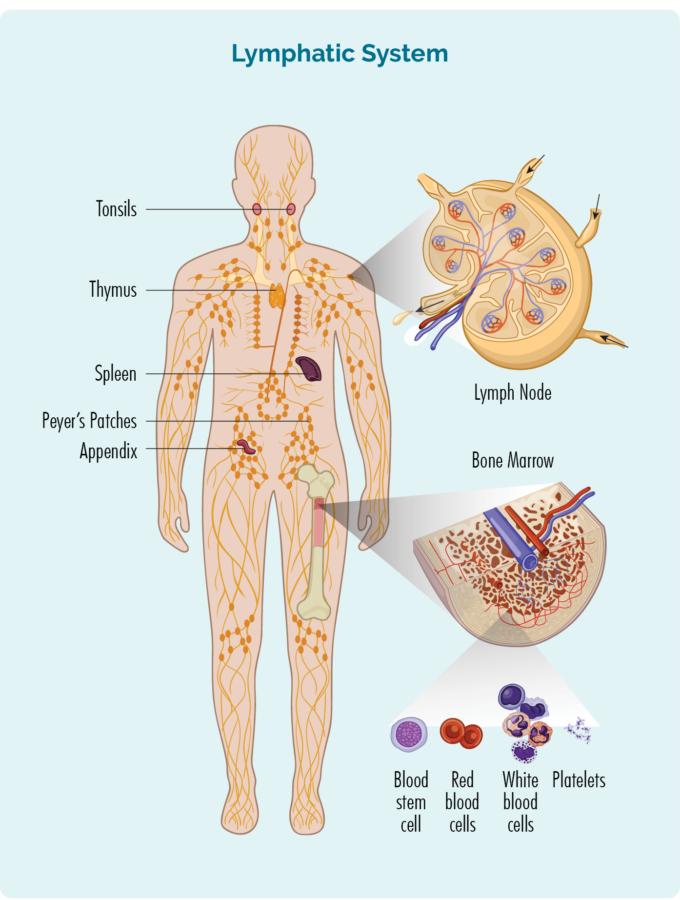
Cutaneous lymphoma is a type of cancer that often looks like a rash, sores or lumps (tumours) on your skin. However, unlike other skin cancers such as melanoma, basal cell carcinoma and squamous cell carcinoma that begin in your skin cells, cutaneous lymphomas start in a type of blood cell called a lymphocyte, which travels to and lives in the layers of your skin.
We have two main types of lymphocytes called T-cell lymphocytes and B-cell lymphocytes. They are a type of white blood cell that fight infection and disease. T-cells directly attack germs and cells that are developing abnormally, while B-cells make antibodies that attack the germs and damaged cells. T-cells also help other cells of our immune system (the infection fighting system) to work more effectively.
When you have a cutaneous lymphoma you have a cancer that has started in either your T-cell lymphocytes or your B-cell lymphocytes. Most of these lymphomas are slow growing (indolent), though there are some subtypes that may be faster-growing (aggressive).
Indolent Cutaneous Lymphoma
Indolent cutaneous lymphomas often do not need any treatment, as they do not usually spread to other parts of your body. However, if they become itchy or are causing you concern, you may be able to have some treatment that makes you more comfortable, or improves the way the lymphoma looks. Indolent lymphomas are often lymphomas you live with for the rest of life. They are usually not able to be cured, but they are not life threatening either. You can still live a full life with an indolent cutaneous lymphoma.
In rare cases, indolent lymphomas can begin to behave more aggressively and can “transform” into an aggressive type of lymphoma which will need treatment.
Subtypes of Indolent Cutaneous T-cell Lymphoma (CTCL)
Mycosis Fungoides (MF)
Mycosis Fungoides (MF) is the most common subtype of CTCL. About half of all people diagnosed with cutaneous lymphoma will have this subtype. It is usually indolent and may develop over many months or years. Uncommonly MF can change/ transform to a more aggressive form, and can spread to your lymph nodes or internal organs such as your lungs or liver.
Primary Cutaneous Anaplastic LargeCell Lymphoma (pcALCL)
Primary cutaneous anaplastic large cell lymphoma (pcALCL) is a rare subtype of cutaneous T-cell lymphoma. It usually only affects your skin, but in very rare cases it may spread to your internal organs such as your lymph nodes, liver or spleen. It is indolent and should not be confused with another type of anaplastic large cell lymphoma that is aggressive.
pcALCL can affect people of all ages including children, but is more common when you are 45-60 years of age. You may only have one raised skin lesion or you may have more than one.
Lymphomatoid Papulosis (LP)
Lymphomatoid Papulosis is not cancer but is considered pre-cancerous. If you have LP, you have a slightly higher chance of developing CTCL than the general population. Some specialists may manage it in the same way they would manage an early stage CTCL. LP is more common in children and adults up to middle age.
Subcutaneous Panniculitis-like T-cell Lymphoma (SPTCL)
This is also a rare subtype of CTCL. If you have SPTCL you may have lumps in the fatty tissue just under your skin. This fatty tissue is called subcutaneous fat.
SPTCL is more common in young adults, and in people with autoimmune diseases such as lupus erythematosus.
Subtypes of indolent Cutaneous B-Cell Lymphoma (CBCL)
Primary Cutaneous Follicle Centre Lymphoma
This is the most common subtype of CBCL. It is usually indolent (slow growing) and develops over months, or even years. It usually appears as bumpy reddish or brownish lesions or tumours on the skin of your head, neck, chest, or abdomen. This subtype usually affects people around the age of 60 years, and is more common in Western countries.
Primary Cutaneous Marginal Zone B-cell Lymphoma
This is the second most common subtype of all CBCLs. It is also indolent and affects men twice as often as women. It can occur in people of all ages, including children, but is more common around the age of 55 years. People who have had Lyme disease are at increased risk of Primary Cutaneous Marginal Zone B-cell Lymphoma.
EBV+ Mucocutaneous Ulcers
This is a very rare subtype of CBCL found in patients who are immune compromised and have had Epstein-Barr virus – the virus that causes glandular fever.
You will likely only have one ulcer on your skin or in your gastrointestinal tract or mouth. Most people do not need treatment for this subtype of CBCL. However, if you are taking immunosuppressive medications your doctor may review the dose to allow your immune system to recover a little. In rare cases, you may need treatment with a monoclonal antibody or antiviral medication.
Aggressive Cutaneous Lymphoma
Aggressive Cutaneous Lymphomas will usually need treatment soon after you are diagnosed. Aggressive T-cell Cutaneous Lymphoma includes a subtype called Sezary Syndrome, while aggressive B-cell cutaneous lymphoma includes a subtype called Primary Cutaneous Diffuse Large B-cell Lymphoma. These aggressive lymphomas can spread to your lymph nodes, blood, bone marrow and other parts of your body.
Subtype of aggressive cutaneous T-cell Lymphoma (CTCL)
Sezary Syndrome (SS)
Sezary Syndrome (SS) is a rare subtype of CTCL that affects both your skin and blood, meaning that you will have cancerous T-cells in the layers of your skin causing a rash, but also have cancerous T-cells in your blood. Most people with SS will have a rash that covers most of their skin (about 80% of your body), which is usually very itchy. You will receive treatments with the aim to reduce the number of abnormal T-cells in your blood and skin, and to reduce your symptoms.
Subtype of aggressive cutaneous B-cell Lymphoma (CBCL)
Primary Cutaneous Diffuse Large B-cell Lymphoma
This is less common than other subtypes of CBCLs. It is more common in women than men and tends to be aggressive or fast growing. It can develop over weeks to months, and it usually affects older people around the age of 75 years. It often starts on your legs (Leg-Type) as one or more lesions/tumours but can also grow on your arms and torso (chest and abdomen). Some lesions can ulcerate and spread to other, internal parts of your body.
Symptoms of Cutaneous Lymphoma
Most people with indolent cutaneous lymphoma live a normal life with a normal life span. You may even live many years with it, without even knowing you have it.
Symptoms of CTCL are usually a rash. Visit your doctor if your rash does not go away within two weeks, gets bigger or spreads to other parts of your body.
The rash may:
- be itchy and or painful and can limit your movement in your fingers, toes or over your joints (for example, elbow or knees).
- crack and bleed.
- be flat patches that are red and scaly looking.
- form a lump, or a plaque – which is a hardened bit of skin.
- be redness over most of your body (erythroderma) – this is more common in men than in women.
Diagnosis and staging of Cutaneous Lymphomas
Diagnosis = What disease and subtype you have.
Staging = How far the disease has spread.
Diagnosis
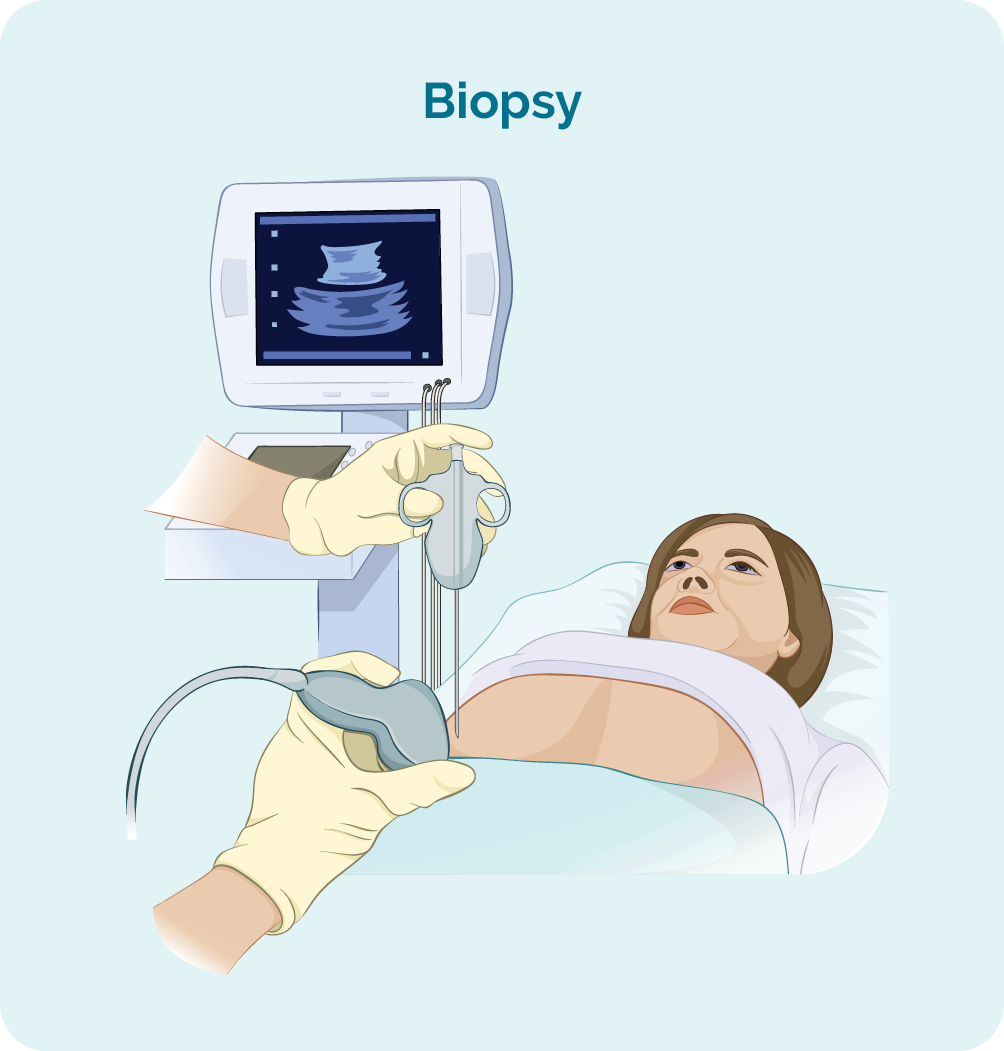
You will need a biopsy to check if your skin lesions or lumps are lymphoma. A biopsy is when your doctor removes a piece of the lesion so it can be checked in pathology. There are different ways the biopsy can be done, and the one you have will depend on your individual situation.
Your doctor will consider the size and location of your lesions and talk to you about which type of biopsy would give you the most accurate diagnosis.
The types of biopsies you may have include:
Skin biopsy of your rash or lesion, which is when a small sample of the affected skin is removed and sent to pathology to be checked.
Lymph node biopsies may be done in the following ways:
- Core excisional biopsy
- Excisional node biopsy
In some cases a fine needle biopsy may be used to take a sample of your lymph node, though this is not the preferred way to check for lymphoma. It may be used if your doctor is checking to make sure there are no other causes of your symptoms.
For more information on biopsy techniques, please scan the QR code or visit our website here.
Staging
If your biopsy results confirm you have lymphoma, you will need to have more tests to find out what subtype and stage it is. These can include:
- Physical examination of the skin over your whole body – Your doctor may ask your permission to take photos, to compare your progress later.
- Positron emission tomography (PET scan) – a scan of your whole body.
- Computed tomography (CT scan) – a 3D scan of certain parts of your body
- Blood tests.
- Bone marrow biopsy – This is not usually needed but may be used if you have an aggressive subtype of cutaneous lymphoma.
TNM staging system
The staging of cutaneous lymphoma uses a system called TNM. If you have MF or SS there will be an extra letter added – TNMB.
T = size of Tumour – or how much of your body is affected by the lymphoma.
N = lymph Nodes involved – checks if the lymphoma has gone to your lymph nodes, and how many lymph nodes have lymphoma in them.
M = Metastasis – checks if, and how far the lymphoma has spread inside your body.
B = Blood – (MF or SS only) checks if the lymphoma is in your blood and bone marrow.
Treatment
Many people with indolent cutaneous lymphomas will not need treatment, however some will. If you need treatment, you may have it with a doctor who is a skin specialist (dermatologist), cancer or blood specialist (oncologist or haematologist), radiation oncologist or surgeon.
If you have an indolent lymphoma, your treatment will be given with the goal to lessen any symptoms you get and make you more comfortable.
Treatments can include any of the below options.
Local or skin directed treatment.
Topical treatments
Topical treatments are creams that you rub into the area of lymphoma. There are different types of creams that can be used, but some can include the following.
Corticosteroids – are toxic for lymphoma cells and helps to destroy them. They can also reduce inflammation and help improve symptoms such as itching.
Retinoids – are medications very similar to vitamin A. They can help reduce inflammation, and regulate the growth of cells on the skin. They are used less commonly, but are helpful in some particular types of skin lymphoma.
Surgery
In some cases you may have surgery, either under a local or general anaesthetic to remove the whole area of skin affected by lymphoma. This is more likely if you have a single lesion or several smaller lesions. It is more commonly used as part of the process to diagnose your lymphoma, rather than as a cure though.
Phototherapy
Phototherapy is a type of treatment that uses specialised lights (often UV) on areas of your skin affected by lymphoma. The UV interferes with the cells’ growing process, and by damaging the growing process, the lymphoma is destroyed.
Radiotherapy
The X-rays cause damage to the cell’s DNA (the genetic material of the cell) which makes it impossible for the lymphoma to repair itself. This causes the cell to die. It usually takes a few days or even weeks after radiation treatment begins for the cells to die. This effect can last for several months, meaning that cancerous lymphoma cells in the treated area/s can be destroyed even months after treatment has finished.
Systemic Treatment
Systemic treatment is used to treat more areas of your body, so is more likely to be used if your lymphoma is widespread across your skin, or has spread to other parts inside your body such as your blood, bone marrow, lymph nodes or organs. It may include tablets or medications given through a drip into your vein. Types of systemic treatment are listed below.
Chemotherapy
Chemotherapy is a type of treatment that directly attacks fast growing cells, so it can be effective at destroying fast growing lymphomas. But it cannot tell the difference between healthy and cancerous fast-growing cells, so it can cause some unwanted side-effects such as hair loss, nausea and vomiting, or diarrhea or constipation.
Immunotherapies
Immunotherapies can help your immune system find and fight the lymphoma more effectively. They can do this in several ways. Some, such as monoclonal antibodies attach to the lymphoma to help your immune system “see” the lymphoma so it can recognise and destroy it. They are also able to affect the structure of the lymphoma cell wall, causing them to die.
Others, such as interleukins and interferons are special proteins that naturally occur in our bodies, but can also be taken as medicine. They work by boosting your immune system, helping it to wake up other immune cells, and by telling your body to make more immune cells to fight the lymphoma.
Targeted therapies
Targeted therapies are medications made that target something specific to the lymphoma cell, so they often have fewer side effects than other treatments. These medications work by interrupting the signals the lymphoma cells need to survive. When they do not get these signals, the lymphoma cells stop growing, or starve because they do not get the nutrients they need to survive.
Stem cell transplant
Stem cell transplants are only used if your lymphoma does not respond to other treatments (is refractory), or comes back after a time of remission (relapse). It is a multi-step treatment where your own, or a donor’s stem cells (very immature blood cells) are removed through a procedure called apheresis, and then given to you at later time, after you have had high dose chemotherapy. You can find more information on stem cell transplants at our website.
With cutaneous lymphoma, it is more common for you to receive stem cells from a donor rather than your own. This type of stem cell transplant is called an Allogeneic Stem Cell transplant.
Extracorporeal photopheresis (ECP)
Extracorporeal photopheresis is a treatment used predominantly for advanced MF and SS. It is a process of “washing” your blood and making your immune cells more reactive to the lymphoma to cause the lymphoma cells to be killed. If you need this treatment, your doctor will be able to provide you with more information.
To learn more about different types of treatment scan the QR code at the end of this document or visit our website www. lymphoma.org.au/lymphoma/treatments.
Follow up
Some cutaneous lymphomas are lymphomas you will live with for the rest of your life, and you may need treatment at different times throughout your lifetime to keep it under control. In between treatments you will still have regular check-ups with your specialist.
The time in between treatments, or when you finish treatment can be a time of mixed emotions. You may feel relieved and excited, or you may feel worried and scared. You may even alternate between all of these emotions. This is very normal. However, you will not be alone. You will continue to see your specialist team on a regular basis, and be checked for any signs and symptoms of your lymphoma relapsing. Your doctor will also want to make sure you’re not having any side effects from your treatment. The longer you are in remission, the less often you will need to be seen, but ask your doctor how often you will need to see them.
If you have any concerns or worries please contact your healthcare team or contact our lymphoma care nurses on 1800 953 081. You can also email us on nurse@lymphoma.org.au.
Summary
Cutaneous lymphoma is a subtype of Non-Hodgkin Lymphoma resulting from cancerous blood cells called lymphocytes, travelling to and living in the layers of your skin.
Indolent Cutaneous Lymphomas may not need treatment as they are not dangerous to your health, but you may have treatment to manage symptoms if they make you uncomfortable.
Aggressive Cutaneous Lymphomas need treatment soon after you are diagnosed.
There are several different specialist doctors that may manage your care, and this will depend on your individual circumstances.
If your lymphoma is affecting your mental health or mood you can ask your doctor for a referral to a psychologist to help you cope.
More information is available at www.lymphoma.org.au or by contacting our Nurse hotline on 1800 953 081
Resources and support
Lymphoma Australia offers a wide range of resources and support for people living with lymphoma or CLL, and their carers. How to access our resources:
- Visit our website www.lymphoma.org.au for more information.
- Phone our Lymphoma Care Nurse Hotline on 1800 953 081.
- Email our Lymphoma Care Nurses nurse@lymphoma.org.au
- Booklet: Understanding Non-Hodgkin Lymphoma (NHL)
- Downloadable information: Visit our website, or give us a call if you would like some more information on a variety topics related to lymphoma
- Join our Facebook page Lymphoma Down Under (make sure you complete all the membership questions when you join).
Cancer Council offers a range of services, including free counselling, to support people affected by cancer, including patients, families and friends. Services may be different depending on where you live. You can contact them at www.cancer.org.au or by phone on 13 11 20.
Medicare Australia: Check with your GP if you are eligible for a Mental Health Treatment Plan (MHTP). This plan is funded by Medicare and can provide you with up to 10 sessions with a registered psychologist. More information can be found here.
WeCan is an Australian supportive care website to help find the information, resources and support services you may need following a diagnosis of cancer. You can visit their website at www.wecan.org.au.
Canteen provides support for young people aged 12-25 years who have cancer, or, who have a parent with cancer. Find out more at their website here www.canteen.org.au.
Health Translations: A collection of health related information collected by the Victorian Government with resources in different languages. You can visit their website at www.healthtranslations.vic.gov.au.
Useful links
Definitions
Facebook Lymphoma down under
Questions to ask your doctor
Stem cell transplants
Tests diagnosis staging
Treatments
Understanding clinical trials
Disclaimer: Lymphoma Australia has taken every precaution to make sure the information in this document is accurate and up-to-date. However, this information is intended for educational purposes only and does not substitute for medical advice. If you have any concerns about your health or wellbeing, please contact your treating team.