Introduction
Nodular Lymphocyte Predominant Hodgkin Lymphoma is a rare subtype of Hodgkin lymphoma (HL). It affects about 1 in every 20 people diagnosed with HL, and affects more men than women. It can occur at any time, but is most common in people aged between 30 and 50 years.
If you have NLPHL you have a type of slower growing blood cancer that affects your white blood cells called B-cell Lymphocytes. B-cells fight infection and diseases to keep you healthy. They remember infections you had in the past, so if you get the same infection again, your immune system can fight it more effectively. Sometimes these cells become larger than they should and can look different to your healthy B-cells. They will not work as effectively to fight infections and disease.
When this happens, the cells become cancerous lymphoma cells. The cancerous B-cells in Hodgkin lymphoma are called Reed-Sternberg cells. They are much larger than normal B-cells and look a bit like the eyes of an owl. These cells are needed for your doctor to diagnose you with Hodgkin Lymphoma as opposed to Non-Hodgkin Lymphoma (NHL). ReedSternberg cells are not present in NHL.
However, with the NLPHL subtype of Hodgkin Lymphoma, the Reed-Sternberg cells look different again. They have a nodular (bumpy) pattern that looks a bit like popcorn. Another point of difference for NLPHL from other classical subtypes of HL, is that the “popcorn” lymphoma cells have a protein on them called CD20. This protein is usually only seen in nonHodgkin lymphoma. So there are features of both Hodgkin and non-Hodgkin lymphoma in NLPHL.
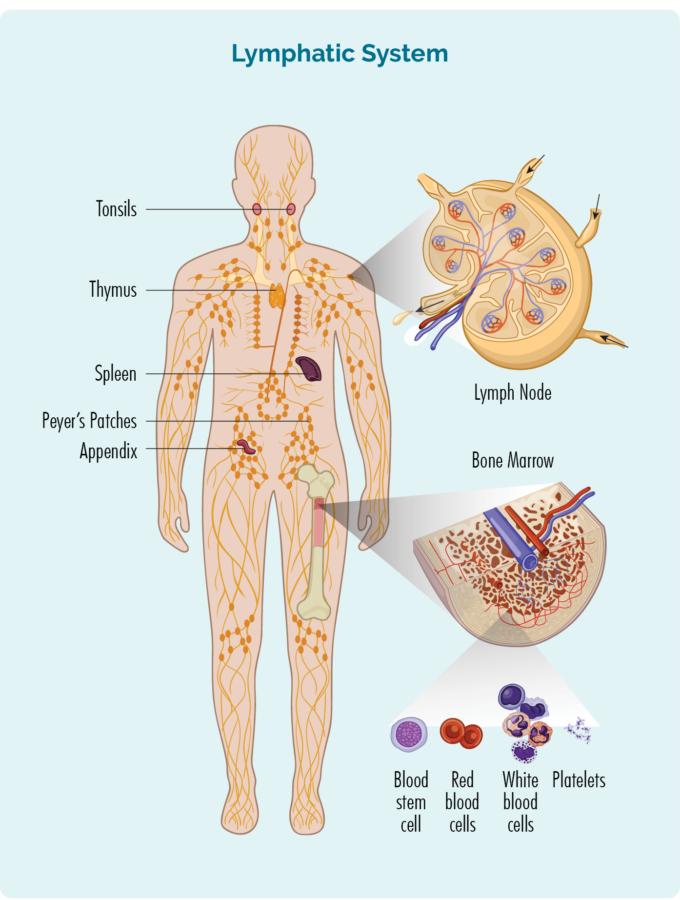
B-cells are made in your bone marrow (the spongey part in the middle of your bones), but live in your spleen and your lymph nodes. They can travel through your lymphatic system, to any part of your body to fight infection or disease. Because of this, NLPHL can also develop in any part of your body.
Symptoms
Because NLPHL is usually a slow growing type of lymphoma, you may not have any symptoms at first. If you do have symptoms, it may be a lump you notice on your neck, under your armpit, in your groin or other places that does not go away.
Other less common symptoms you might get include:
- feeling unusually tired (fatigued)
- feeling out of breath
- bruising or bleeding more easily than usual
- infections that don’t go away, or keep coming back (recurrent)
- sweating at night more than usual
- losing weight without trying
- B-symptoms
Diagnosis and Staging
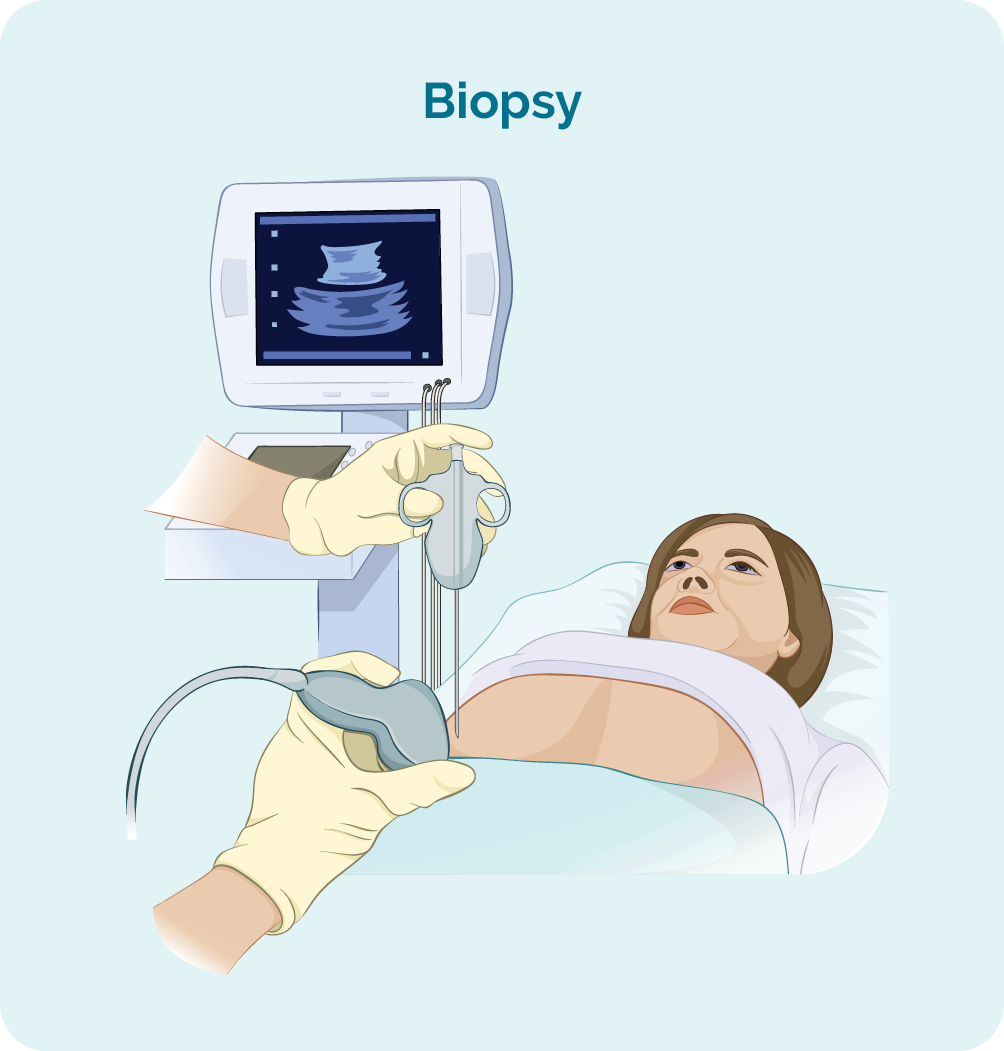
Your doctor may suspect you have lymphoma when they get your blood test results, X-ray, other scan results, or do a physical exam. But to diagnose NLPHL, you will need a biopsy. A biopsy is a procedure to remove part, or all of an affected lymph node or bone marrow. The biopsy is then checked by a pathologist under a microscope, to see if there are Reed-Sternberg cells present that help the doctor diagnose HL. They will check the appearance of the Reed-Sternberg cells (whether they look more like owl’s eyes or popcorn), and also check to see what proteins are on the lymphoma cells. If you have CD20 on popcorn looking cells, you may have a specialised medication called rituximab that only works for lymphomas with CD20.
When you have a biopsy, you may have a local or general anaesthetic. This will depend on what part of your body the biopsy is taken from.
Lymphoma cells can travel to any part of your body so, if you have NLPHL your doctor will organise more tests to check if it is anywhere else. These tests are called “staging” and may include:
- Positron emission tomography (PET) scan
- Computed tomography (CT) scan
- Bone marrow biopsy
You will also have other tests to check that your organs such as your heart, liver and kidneys are working well, and are healthy enough to cope with the treatments you will have. These are called baseline tests. Your doctor will refer to them throughout your treatment, and compare any new test results to them. This way, they can make sure the treatment is not causing any damage to your important organs.
Treatment options
The best treatment for you will depend on several factors, including:
- The stage of your lymphoma.
- Whether you have B-symptoms or not.
- Your age.
- Your general health, and if you have any other illnesses or are taking any medications.
- What proteins are present on your lymphoma cells.
- The best treatments with fewer longterm side effects.
- Whether or not you plan on having children in the future.
Overall, NLPHL is highly treatable. About 9 in every 10 people with NLPHL will be cured after treatment. In the other cases, the NLPHL might come back and need further treatment, but it still usually responds well to further treatment.
The table below provides an overview of different treatment options that may be offered to you.
Early Stage NLPHL without B symptoms
- Radiotherapy alone
- Surgery followed by radiotherapy
- Surgery alone
Early Stage NLPHL with B symptoms
- Chemotherapy and monoclonal antibody *CVP-R (2-3 cycles followed by radiotherapy)
- Chemotherapy and monoclonal antibody CVP-R (6 cycles)
Advanced Stage NLPHL
- Chemotherapy and monoclonal antibody *CHOP-R (6 cycles)
- Chemotherapy and monoclonal antibody *ABVD-R (6 cycles)
- Chemotherapy and monoclonal antibody CVP-R (6 cycles)
Relapsed NLPHL
- Chemotherapy and monoclonal antibody treatments as described above
- Repeat of previous treatment if the remission period has been lengthy and swap to a different treatment if the remission period has been shorter
- Consideration of autologous stem cell transplantation in certain cases of relapsed disease
Names of Medications in the chemotherapy/ monoclonal protocols
*CVP–R – cyclophosphamide, vincristine, prednisolone and rituximab
*CHOP-R – cyclophosphamide, doxorubicin, vincristine, prednisolone and rituximab
*ABVD-R – doxorubicin, bleomycin, vinblastine, dacarbazine and rituximab
Starting treatment can be quite overwhelming. It may be difficult to even know where to start, but it is important to feel confident in asking your doctor and treating team any questions you might have. Sometimes, even knowing what questions to ask may be difficult, so we have put a factsheet together with some questions you may like to consider asking.
Questions for your doctor before you (or your child) start treatment
Scan the QR code or click here to download questions to ask your doctor.
Clinical Trials
Clinical trials are important because they help find new treatments. They can also offer you the opportunity to try something new for free, that you would otherwise not have access to, or have to pay for. Some clinical trials may look at:
- how to treat NLPHL
- safe doses to treat NLPHL with less side-effects
- managing side-effects
- improving quality of life.
It is always worth asking your doctor what clinical trials you are eligible for, to see if any are of interest to you. You can also look online for clinical trials yourself at the ClinTrial Refer website here.
If you would like more information on clinical trials, please see our fact sheet Understanding Clinical Trials.
Follow up
While many people look forward to finishing treatment, for some it can be a time of uncertainty and worry. It is normal to think about what happens next, to worry about the cancer, coming back or to be frustrated if life does not go back to normal quickly enough.
Once you finish treatment, you will still see your specialist doctor on a regular basis. How often will depend on your personal situation. Your doctor will let you know how often they want to see you. The purpose of these appointments are to:
- See how you are coping after finishing treatment – both mentally and physically.
- Check that your body is recovering from the effects of chemo and other treatments.
- Monitor you for any signs of lasting or delayed side-effects.
- Monitor you for signs of relapse (lymphoma coming back), so that any further treatment can start early
Resources and Support
There are a lot of resources and support to help you before, during and after treatment. You can contact our lymphoma care nurses on 1800 953 081 or email nurse@lymphoma.org.au. .
You can also find us on social media where you can connect with others who are living with, or who have beaten lymphoma.
Lymphoma Australia offers a wide range of resources and support for people living with lymphoma or CLL, and their carers. How to access our resources:
- Visit our website www.lymphoma.org.au for more information.
- Phone our Lymphoma Care Nurse Hotline on 1800 953 081.
- Email our Lymphoma Care Nurses nurse@lymphoma.org.au
- Booklet: Understanding Non-Hodgkin Lymphoma (NHL)
- Factsheets: Visit our website, or give us a call if you would like some factsheets on a variety topics related to lymphoma
- Join our Facebook page Lymphoma Down Under (make sure you complete all the membership questions when you join).
Cancer Council offers a range of services, including free counselling, to support people affected by cancer, including patients, families and friends. Services may be different depending on where you live. You can contact them at www.cancer.org.au or by phone on 13 11 20.
Medicare Australia: Check with your GP if you are eligible for a Mental Health Treatment Plan (MHTP). This plan is funded by Medicare and can provide you with up to 10 sessions with a registered psychologist. More information can be found here..
Wecan is an Australian supportive care website to help find the information, resources and support services you may need following a diagnosis of cancer. You can visit their website at www.wecan.org.au.
Canteen provides support for young people aged 12-25 years who have cancer, or, who have a parent with cancer. Find out more at their website here www.canteen.org.au..
Disclaimer: Lymphoma Australia has taken every precaution to make sure the information in this factsheet is accurate and up-to-date. However, this information is intended for educational purposes only and does not substitute for medical advice. If you have any concerns about your health or wellbeing, please contact your treating team.