
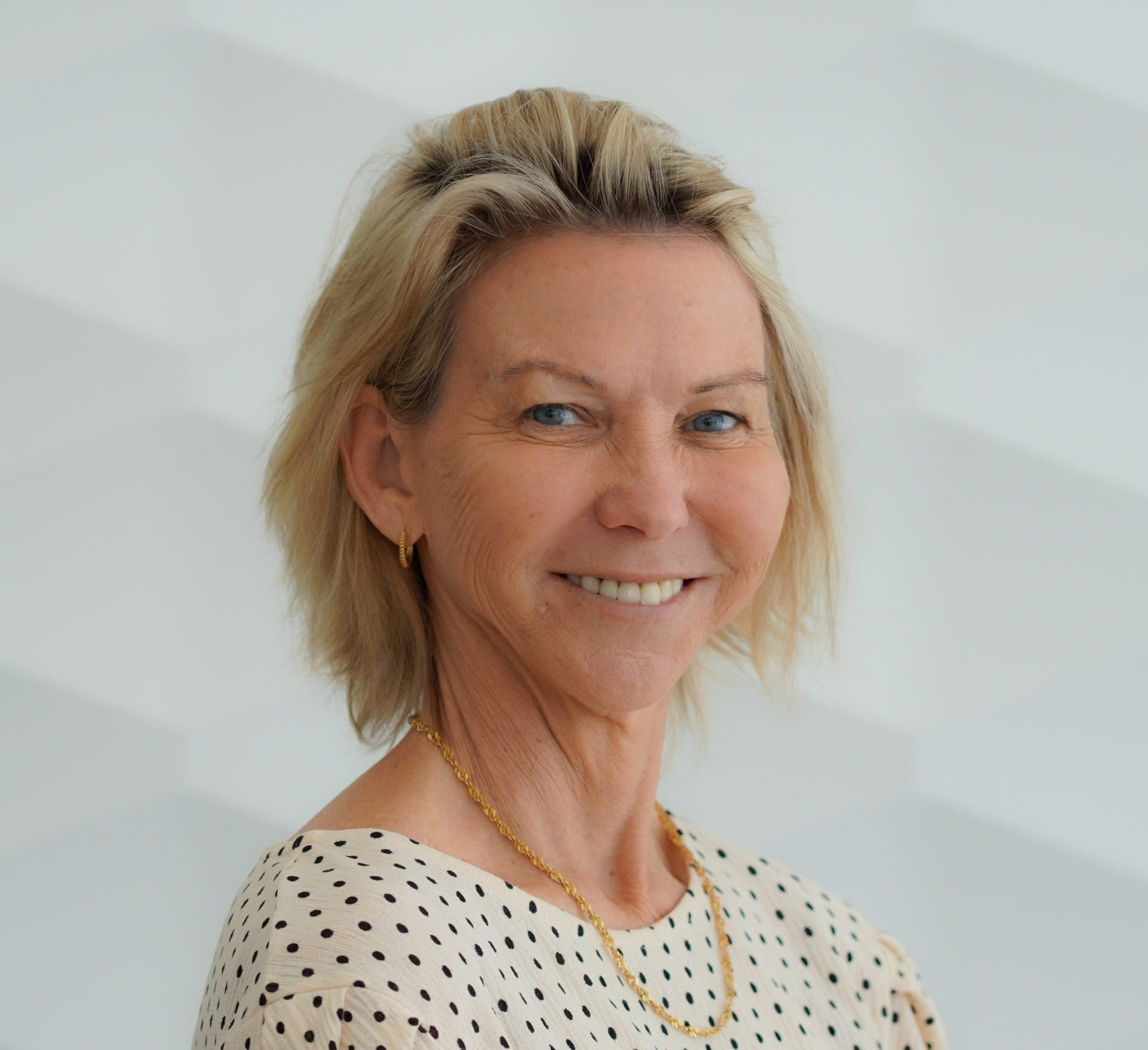



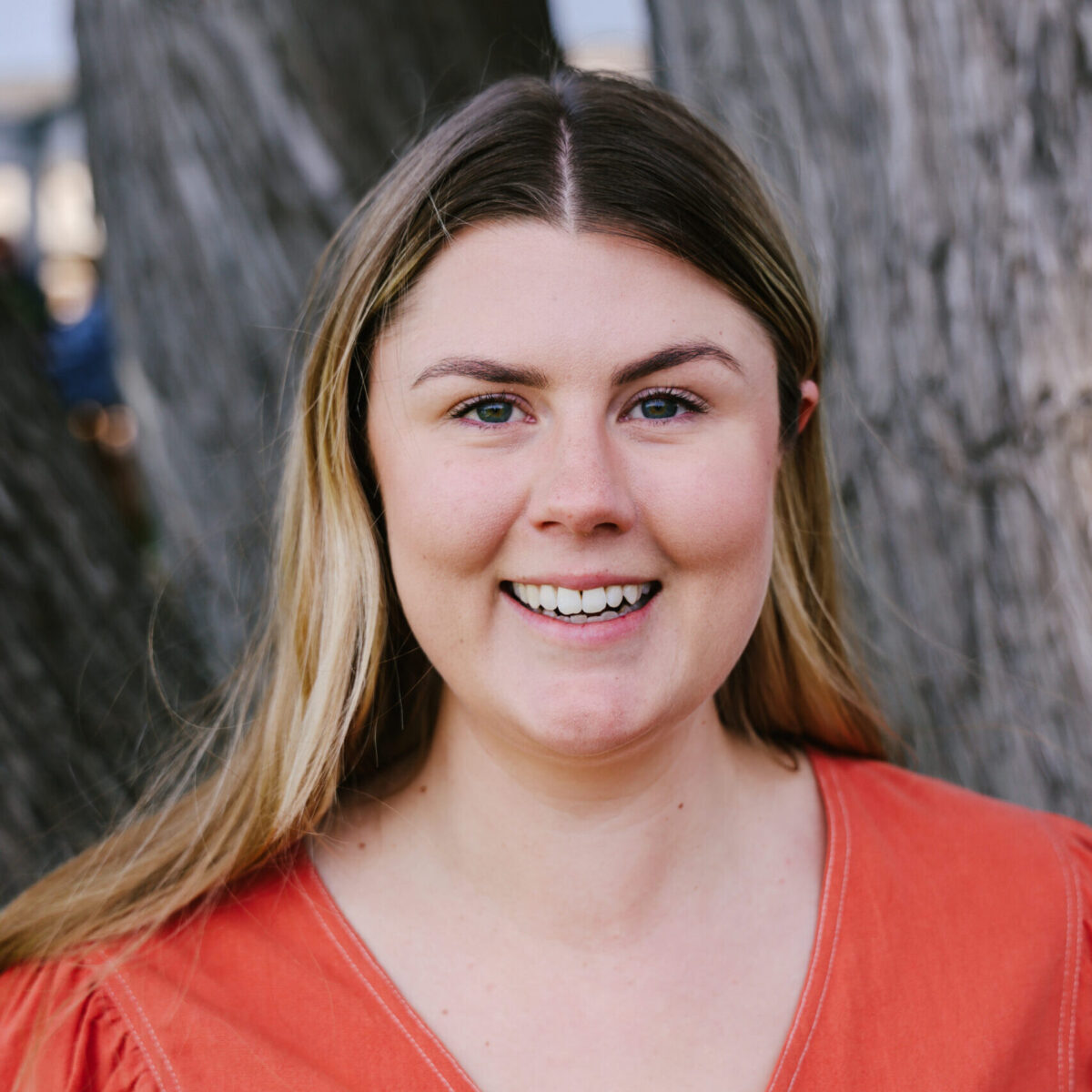
Sharon Winton is CEO of Lymphoma Australia, a member of the Lymphoma Coalition and has been a health consumer representative on a number of consumer stakeholder meetings in Australia and overseas
Prior to her current role, Sharon worked with a private health insurance company in relationship and strategic management. Previous to this position Sharon was employed in the health and fitness industry as a physical education teacher and Director of a Sport and Recreation Company.
Sharon is extremely passionate about ensuring all Australians have equitable access to information and medicines. Over the last 2 years twelve new treatments have been listed on the PBS for both rare and common subtypes of lymphoma.
At the personal and professional level Sharon has been involved with patients, carers and health professionals after Sharon’s mother, Shirley Winton OAM, became the founding president of Lymphoma Australia in 2004.
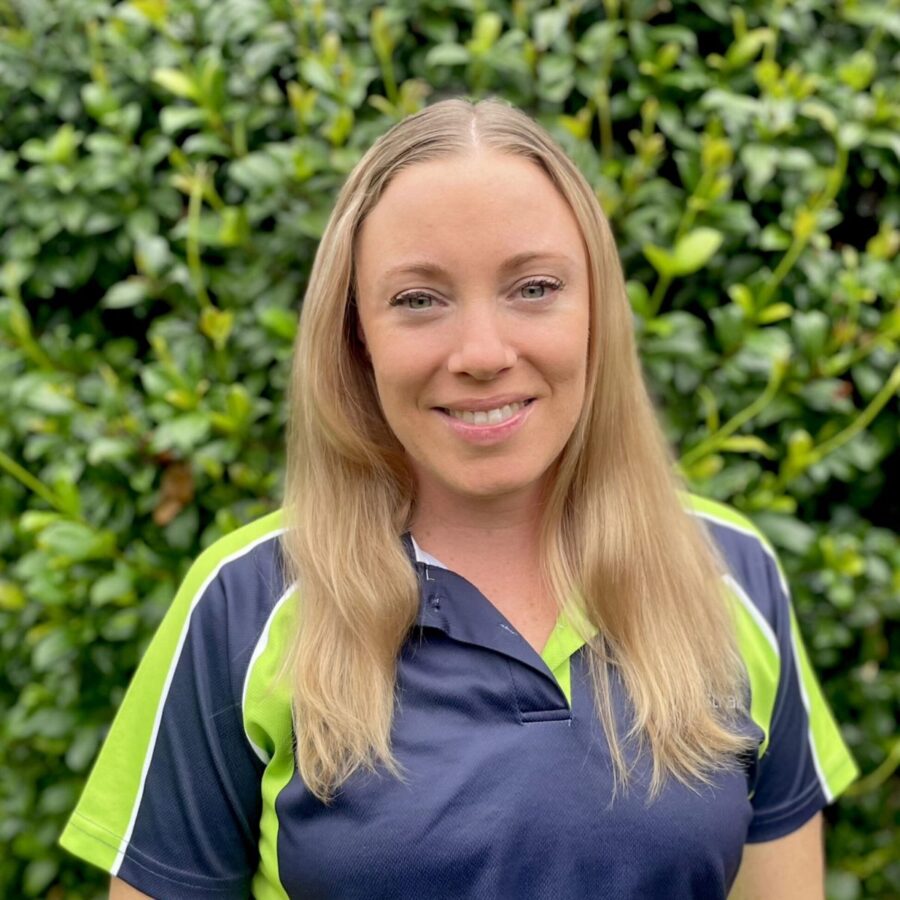
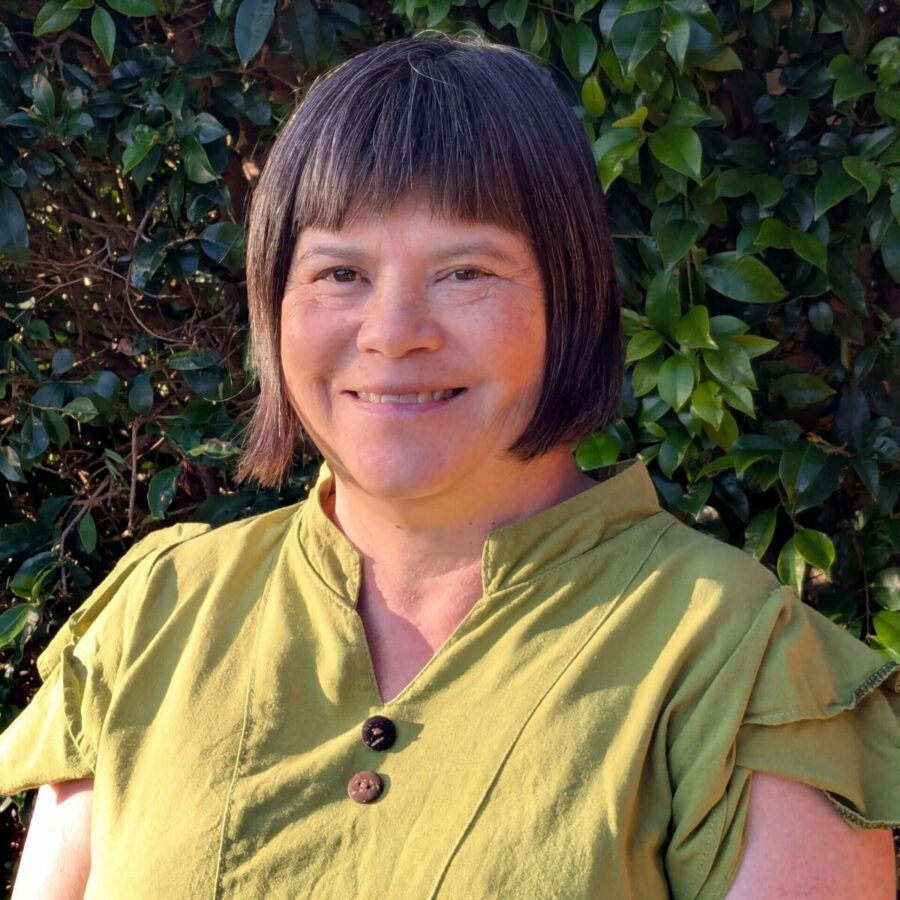
Nicole has worked in the haematology and oncology setting for 16 years and she is very passionate about caring for those affected by lymphoma. Nicole has completed a masters in cancer and haematolgy nursing and since then has used her knowledge and experience to transform best practice. Nicole continues to work clinically at Bankstown-Lidcome Hospital as a nurse specialist.
Through her work with Lymphoma Australia, Nicole wants to provide genuine understanding, support and health information to ensure you have all of the information to navigate your experience.
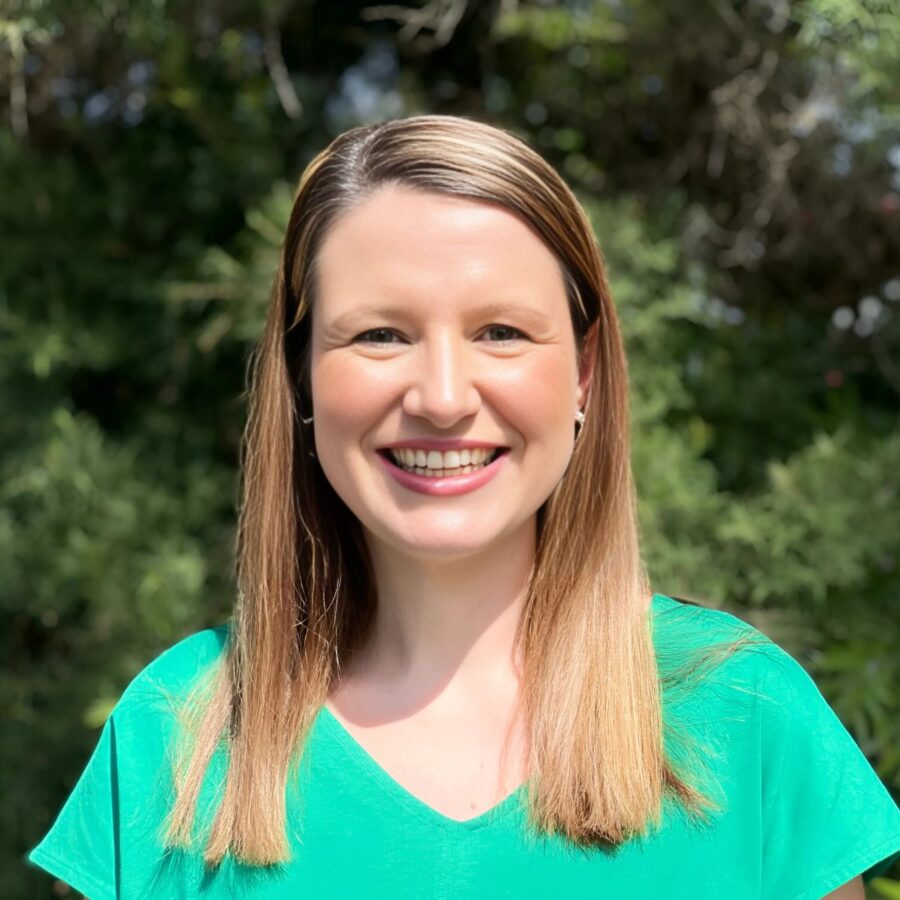
Kim joined our Lymphoma Care Nurse team in 2025 after working at Saint Vincent’s Public Hospital in Melbourne, on the Haematology and Oncology ward for 5 and a half years in varied roles.
Kim has also previously completed a Graduate Certificate in Cancer Nursing with a focus in Haematology, as well as a Bachelor of Science in Genetics and Microbiology, a degree that sparked her interest in Lymphoma and Haematology Nursing.
Kim is passionate about patient centered care, and providing those affected by Lymphoma with the knowledge and support they may need. Having grown up in rural Victoria, and now based in Brisbane, she is eager to continue her learning, and ensure patients remain well informed and empowered.
In her free time, Kim enjoys dance lessons and spending time with her two cats, Potato and Gravy.
Liz joined Lymphoma Australia as one of our Lymphoma Care Nurses in 2024. Alongside her role with us, she continues to work part-time as a Clinical Nurse Specialist in Haematology at the Prince of Wales Hospital – where she has been since 2007 when she began her nursing career.
Over time Liz has completed her Graduate Certificate in Cancer Nursing and worked in many different nursing roles and environments in the Haematology setting. This has helped shape and evolve her experience and skills in caring for patients with lymphoma and other haematological disorders. She strongly believes in the value of patient advocacy, education and support – the core of what is valued here at Lymphoma Australia.
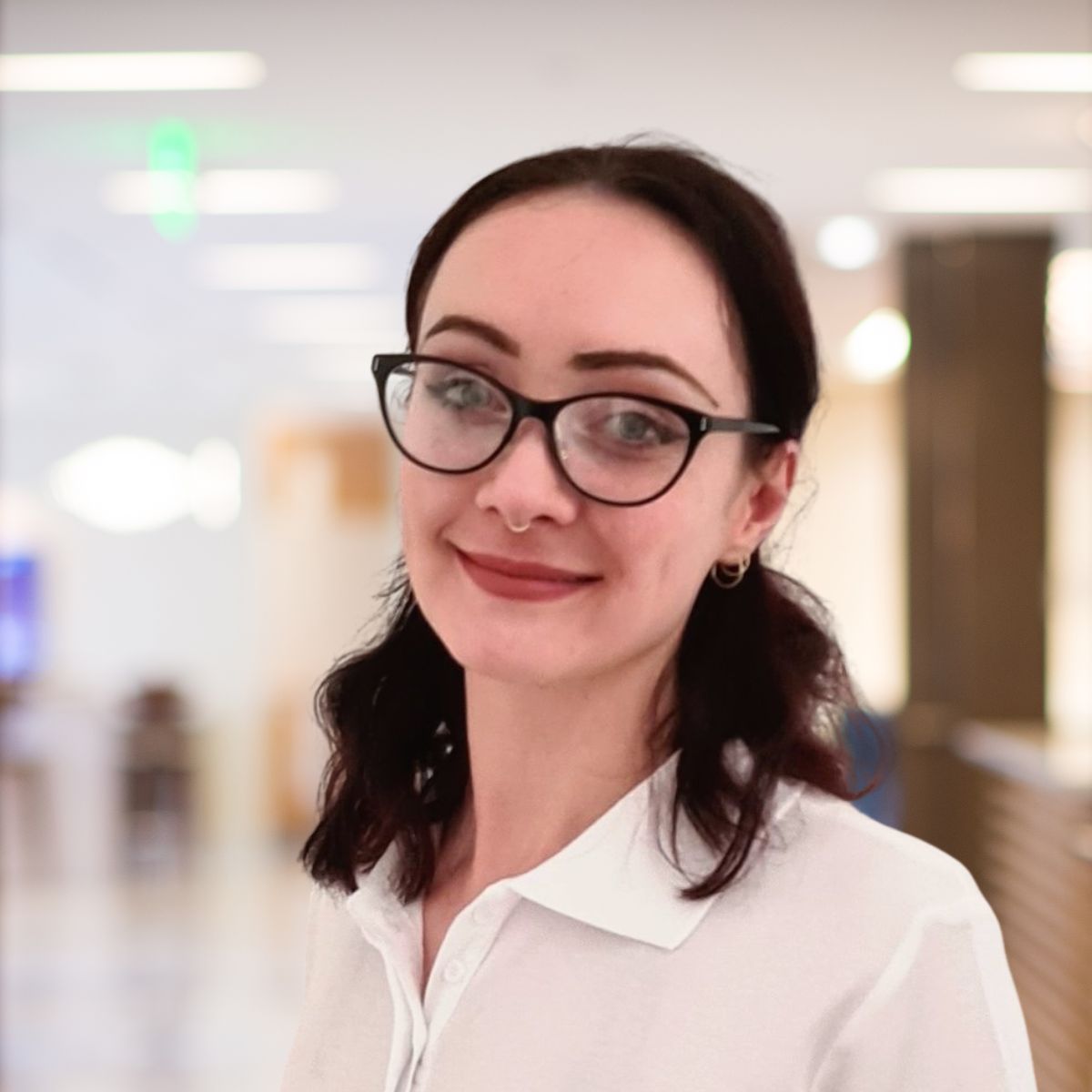
Emily has ten years of experience as a haematology nurse, specialising in lymphoma clinical trials. Most recently, she worked at Barwon Health’s Cancer Services Trials Unit in Geelong, where she led lymphoma studies investigating new treatments, including bispecific antibodies. In this role, she supported regional Victorian patients and their families through every stage of trial participation—helping them understand treatment options and ensuring compassionate, evidence-based care.
Emily completed her graduate certificate in Cancer and Haematology Nursing while working as an inpatient and outpatient nurse at the Peter MacCallum Cancer Centre in Melbourne. She was then employed as a research nurse with the Parkville Cancer Clinical Trials Unit where she gained experience coordinating early-phase lymphoma and CAR-T therapy trials. She continues to share her expertise through education, publications, and conference presentations. Emily is passionate about bridging research and patient care to bring the latest lymphoma treatments to those who need them most.
Carol Cahill – I was diagnosed with follicular lymphoma Oct 2014 and was put on watch and wait. After being diagnosed I found the foundation and knew that I wanted to get involved somehow to create awareness of lymphoma. I started by selling lymphoma merchandise and attending fundraising events and I now am the community support manager and post all the resources to hospitals and patients as well as general office duties. I started treatment in October 2018 with 6 months of chemo (Bendamustine and Obinutuzumab) and 2 years maintenance (Obinutuzumab) I finished this in January 2021 and continue to be in remission.
If I can help just one person on their lymphoma journey, I feel like I am making a difference.
Sofi Barac is the Fundraising and Engagement Manager at Lymphoma Australia, driving community engagement and campaigns that make a real difference for patients and families affected by lymphoma. With expertise in digital fundraising, donor stewardship, and event coordination, she creates initiatives that inspire support and deliver meaningful impact.
Her favourite saying, “Alone we can do so little; together we can do so much,” perfectly reflects Lymphoma Australia’s mission: ensuring no one faces lymphoma alone.
Chloe is the National Marketing & Events Lead at Lymphoma Australia, shaping the organisation’s digital presence and ensuring vital information reaches the people who need it most. With a career spanning corporate marketing leadership and agency work with major global tech brands, she specialises in brand strategy, digital experience and high-impact project management.
She’s passionate about breaking down barriers to education and support for Australians affected by lymphoma. Outside the office, you’ll find Chloe hanging with her Samoyed, Mellow, at a dance class, or chasing sunshine.
To diagnose lymphoma you will need a biopsy. A biopsy is a procedure to remove part, or all of an affected lymph node and/ or a bone marrow sample. The biopsy is then checked by scientists in a laboratory to see if there are changes that help the doctor diagnose lymphoma.
When you have a biopsy, you may have a local or general anaesthetic. This will depend on the type of biopsy and what part of your body it is taken from. There are different types of biopsies and you may need more than one to get the best sample.
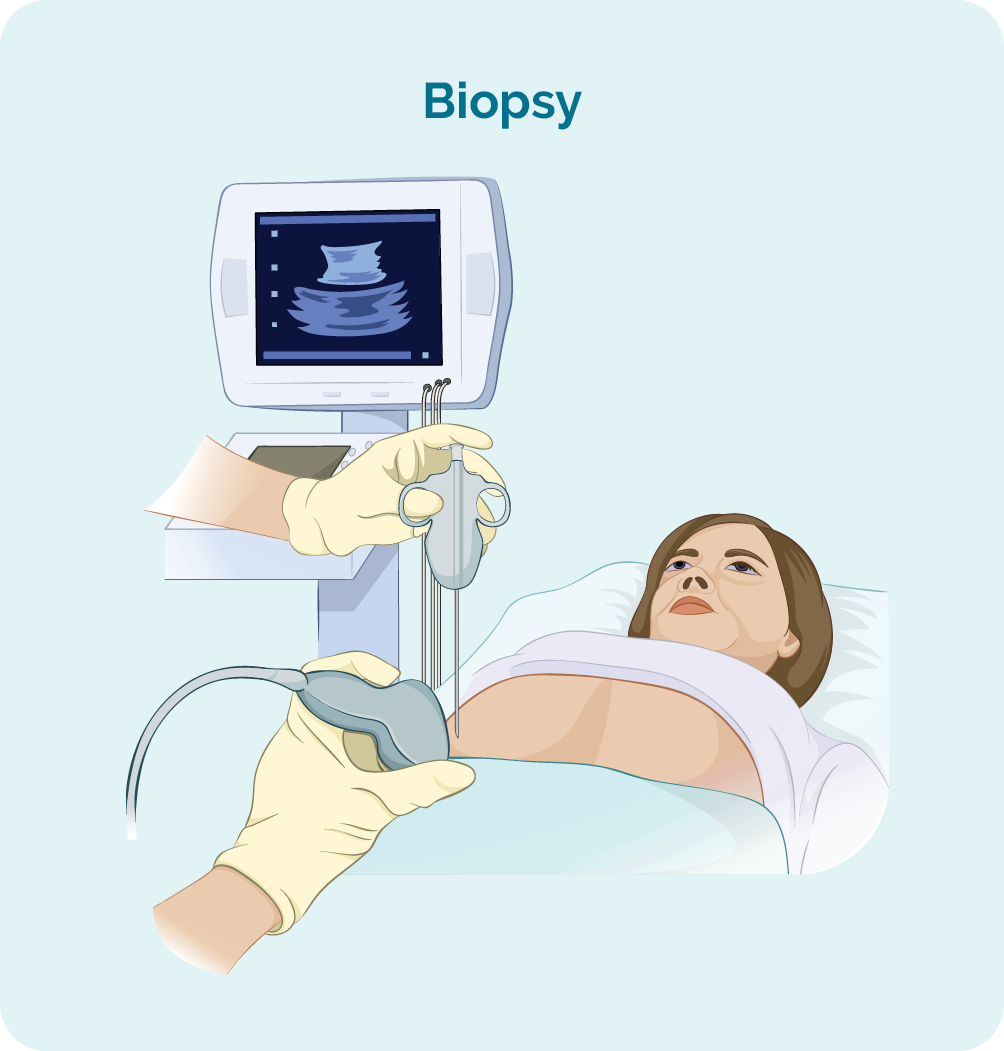
Core or fine needle biopsies are taken to remove a sample of swollen lymph node or tumour to check for signs of lymphoma.
Your doctor will usually use a local anaesthetic to numb the area so you don’t feel any pain during the procedure, but you will be awake during this biopsy. They will then put a needle into the swollen lymph node or lump and remove a sample of tissue.
If your swollen lymph node or lump is deep inside your body the biopsy may be done with the help of ultrasound or specialised x-ray (imaging) guidance.
You might have a general anaesthetic for this (which puts you to sleep for a little while). You may also have a few stitches afterwards.
Core needle biopsies take a bigger sample than a fine needle biopsy.
During this procedure, a surgeon will remove the whole lymph node or lump and send it to pathology for testing. You may have a general anaesthetic which will put you to sleep for a little while, so you stay still and feel no pain.
You will have a small wound with a few stitches, and a dressing over the top.
Stitches usually stay in for 7-10 days, but your doctor or nurse will give you instruction on how to care for the dressing, and when to return to have the stitches out.
Excisional node biopsies are more reliable than fine needle or core needle biopsies for diagnosing lymphoma.
Blood tests are taken when trying to diagnose your lymphoma, but also throughout your treatment to make sure your organs are working properly and can cope with our treatment.
Once your doctor gets the results from you blood tests and biopsies they will be able to tell you if you have lymphoma and may also be able to tell you what subtype of lymphoma you have. They will then want to do more tests to stage and grade your lymphoma.

To view this in a larger screen click on the toolbar above the book on the symbol that looks like 4 little arrows pointing to each corner of a square.
See the image with icon circled in red for which symbol to click.
Once it opens in the full screen you can move back and forth by clicking on the arrows the left and right of the pages.

If you would like to download your own copy to keep on your compuiter, or print, click on the 3 dots on the toolbar above the book. After you click on the dots click on Download PDF File.
See the image with the blue circles for which symbol to click.
Throughout the booklet you will see some words in blue and underlined. Click on those blue words to open a new window with more information on that topic.
To understand lymphoma, you need to know a bit about your B-Cell lymphocytes.
B-Cell lymphocytes:
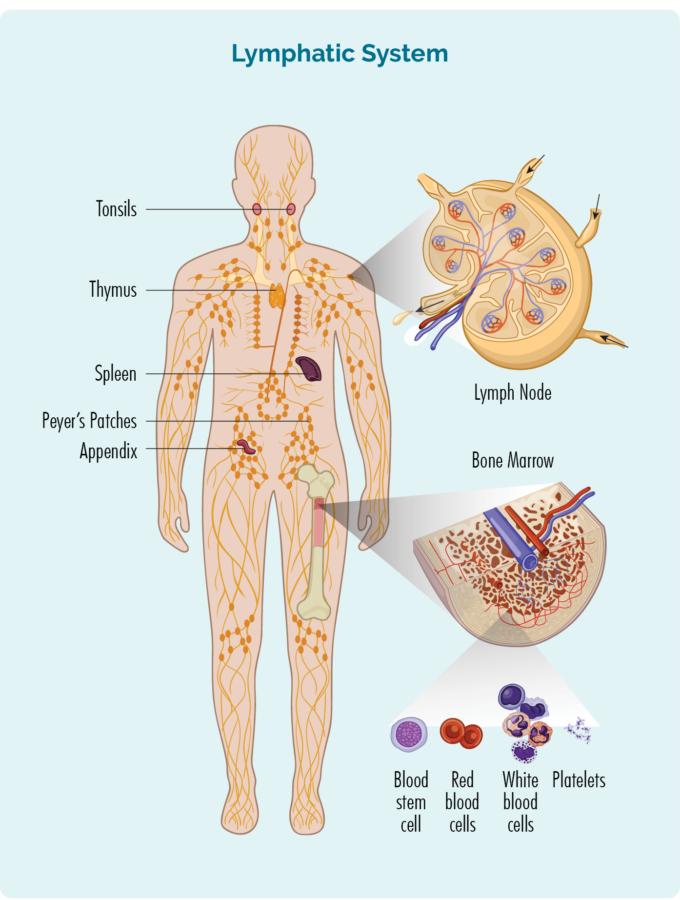
Lymphoma develops when some of your B-cell lymphocytes (B-cells) become cancerous. They grow uncontrollably, are abnormal, and do not die when they should.
When you have lymphoma your cancerous B-cells:
Some lymphomas grow very quickly, which means the cancerous B-cells are multiplying (making new copies of themselves). Other cancerous B-cells may live longer than they should.. B-cells (and many other cells) are designed to live for a purpose. Once they have achieved that purpose, they naturally die to make room for new stronger healthy B-cells.
In some cases, lymphoma develops when the cancerous B-cells just keep living even when they have no purpose. They then take up too much room which can stop your body making new healthy cells.
Please note:
Lymphoma Australia staff are only able to reply to emails sent in English language.
You need healthy T-cells to make CAR T-cells. For this reason, CAR T-cell therapy cannot be used if you have a T-cell lymphoma – yet.
For more information on CAR T-cells and T-cell lymphoma click here.
Special Note: Although your T-cells are removed from your blood for CAR T-cell therapy, most of our T-cells live outside of our blood – in our lymph nodes, thymus, spleen and other organs.