Factsheets & Booklets

Being diagnosed with, and living with and after lymphoma can be stressful, and many people look for information online. We’ve developed a variety of factsheets and booklets to help you understand your subtype of lymphoma or CLL, treatment options and supportive care. 

Not sure where to start? We’re here to help! For answers to lymphoma-related questions and guidance on which publications are best for you, email us at nurse@lymphoma.org.au.
Lymphoma Booklets

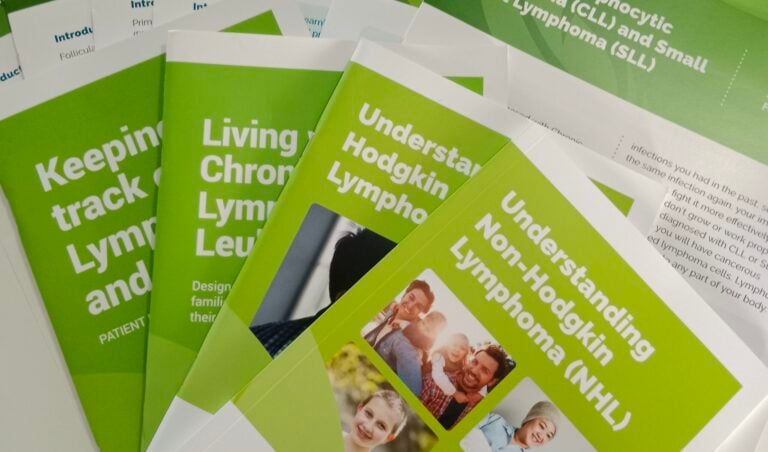
Lymphoma is a complex group of cancers, with more than 80 different subtypes. Lymphoma Australia provides trusted information and publications to help you understand your specific diagnosis, treatment options, and life during and after lymphoma.

All Booklets

Understanding Chronic Lymphocytic Leukemia (CLL) and Small Lymphocytic Lymphoma (SLL)

Each year, around 1,000 people find themselves in the same situation that you or your...
Patient diary – Keeping track of my lymphoma

Receiving a lymphoma or CLL diagnosis for many people is scary and confusing, as you...
Understanding Hodgkin Lymphoma (HL)

Each year, more than 600 people find themselves in the same situation that you or...
Understanding Non-Hodgkin Lymphoma (NHL)

Each year, more than 6,000 people find themselves in the same situation that you or...

Lymphoma and CLL Fact Sheets

Lymphoma Australia’s expert-developed fact sheets provide clear, trustworthy information to support you at every stage – whether you’re newly diagnosed, starting treatment, supporting someone you care about, or simply learning the basics of lymphoma and what to expect.

What is Lymphoma?

What is Lymphoma?

Understanding Watch and Wait (W&W)

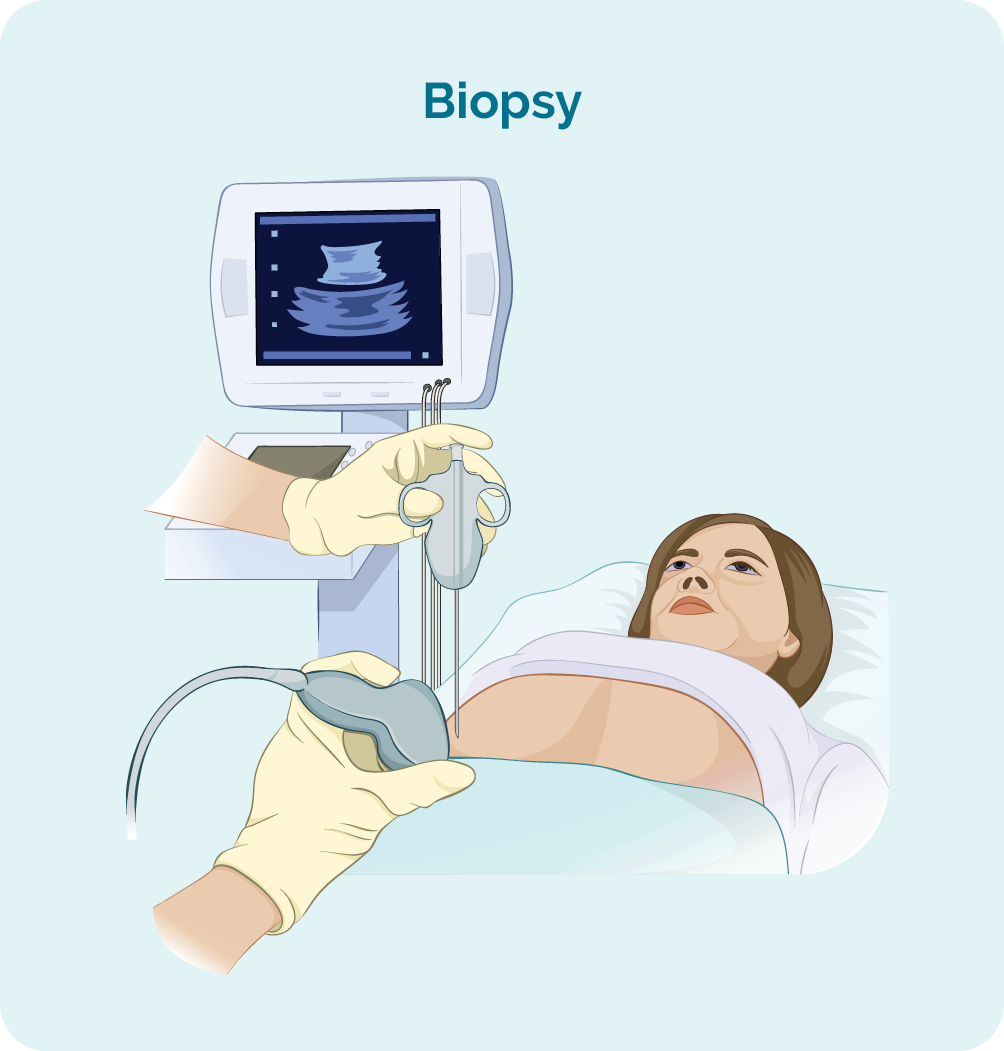
Bone Marrow Biopsy Procedure

Questions to ask your Doctor: Regional, Rural and Remote Patients

Questions to ask your Doctor when finishing treatment

Questions to ask your Doctor

Understanding Your Lymphoma Subtype

Every type of lymphoma is different. These fact sheets can help you learn more about your subtype, specific diagnosis, what it means, and what to expect.

Types of Lymphoma

B-cell Lymphomas

Nodular Lymphocyte Predominant Hodgkin Lymphoma (NLPHL)

Chronic Lymphocytic Leukemia (CLL) and Small Lymphocytic Lymphoma (SLL)

Transformed Lymphoma (TL)

Primary Central Nervous System Lymphoma (PCNSL)

Waldenstrom’s Macroglobulinemia (WM)

Burkitt Lymphoma (BL)

Double Hit, Triple Hit & Double Expressor Lymphoma (High-grade B-cell lymphoma)

Monoclonal B-Cell Lymphocytosis (MBL)

Marginal Zone Lymphoma (MZL)

Mantle Cell Lymphoma (MCL)

Grey Zone Lymphoma (GZL)

Primary Mediastinal B-Cell Lymphoma (PMBCL)

Hodgkin Lymphoma (HL)

Follicular Lymphoma (FL)

Diffuse Large B-Cell Lymphoma (DLBCL)

Angioimmunoblastic T-Cell Lymphoma (AITL)

Adult T-cell Leukemia Lymphoma (ATLL)

Anaplastic Large Cell Lymphoma (ALCL)

Peripheral T-cell lymphoma (PTCL)

Cutaneous (Skin) Lymphomas

Learn About Treatment Options

Treatment can feel overwhelming, but you don’t have to sort through it alone. These fact sheets break down different treatment options and supportive care topics so you can better understand what might be part of your care and how to manage the journey.

Transplants

Autologous Stem Cell Transplants (SCTs) in Lymphoma

Allogeneic Stem Cell Transplant In Lymphoma

Stem Cell Transplants (SCTs) in Lymphoma

Chimeric Antigen Receptor (CAR) T-cell therapy

Bispecific Antibodies and Antibody Conjugates in Lymphoma Treatment

Relapsed or Refractory Lymphoma

Understanding Clinical Trials

Maintenance Therapy in Lymphoma

Your Guide to Non-Chemotherapy Treatment Options for CLL/SLL

Patient Newsletter: Latest Updates in DLBCL Treatment

Fertility for girls, women, and people recorded female at birth

Fertility for boys, men, and people recorded as male at birth

Vaccinations and Lymphoma: What you need to know

Common patient questions…

Nutrition and Lymphoma

Self-Care and Lymphoma

Complementary and Alternative Therapies: Lymphoma

Emotional Impact of Relapsed or Refractory Lymphoma

Caring for someone with Lymphoma or CLL

Emotional Impact After Completing Lymphoma Treatment

Emotional Impact of Living with Lymphoma

Emotional Impact of a Lymphoma Diagnosis & Treatment

Sex, sexuality, and intimacy

Fatigue and Lymphoma

Exercise and Lymphoma

Sleep Management and Lymphoma

Fear of Cancer Recurrence and Scan Anxiety

Want printed copies of these booklets or fact sheets?

You can order free printed copies to be posted to you.

If you know your lymphoma subtype, let us know when ordering so we can include the most relevant information.

Support and information

Contact Lymphoma Australia Today!

Please note:
Lymphoma Australia staff are only able to reply to emails sent in English language.

Download PDF

We share information about our in-person and online support groups as well as treatment updates and resources via email. You can opt out anytime.

Useful Definitions

  • Refractory: This means the lymphoma does not get better with treatment. The treatment didn’t work as hoped.
  • Relapsed: This means the lymphoma came back after being gone for a while after treatment.
  • 2nd line treatment: This is the second treatment you get if the first one didn’t work (refractory) or if the lymphoma comes back (relapse).
  • 3rd line treatment: This is the third treatment you get if the second one didn’t work or the lymphoma comes back again.
  • Approved: Available in Australia and listed by the Therapeutics Goods Administration (TGA).
  • Funded: Costs are covered for Australian citizens. This means if you have a Medicare card, you shouldn’t have to pay for the treatment.[WO7]

You need healthy T-cells to make CAR T-cells. For this reason, CAR T-cell therapy cannot be used if you have a T-cell lymphoma – yet.

For more information on CAR T-cells and T-cell lymphoma click here. 

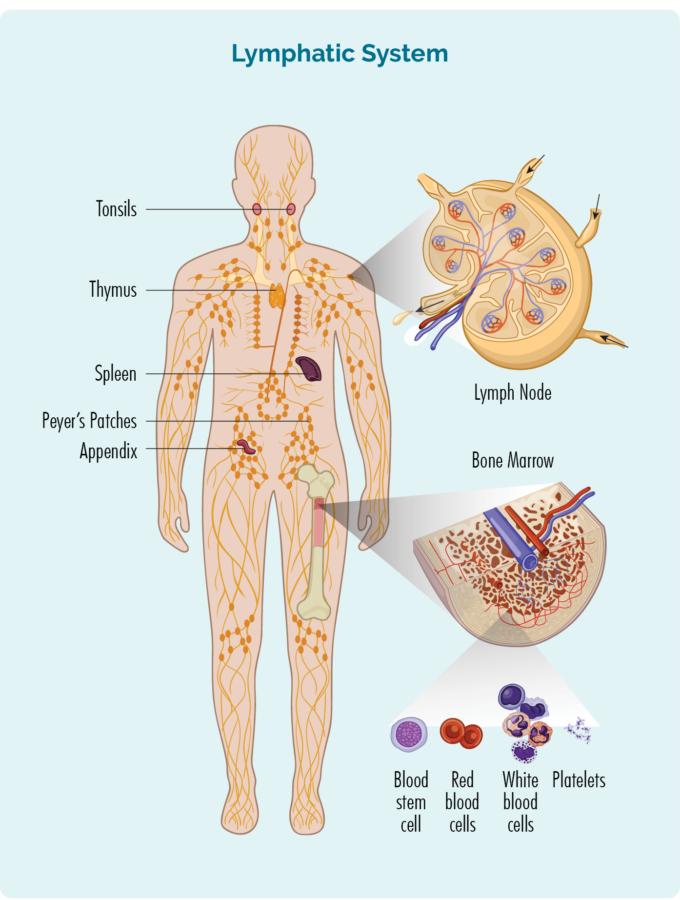
Special Note: Although your T-cells are removed from your blood for CAR T-cell therapy, most of our T-cells live outside of our blood – in our lymph nodes, thymus, spleen and other organs.