Diagnosis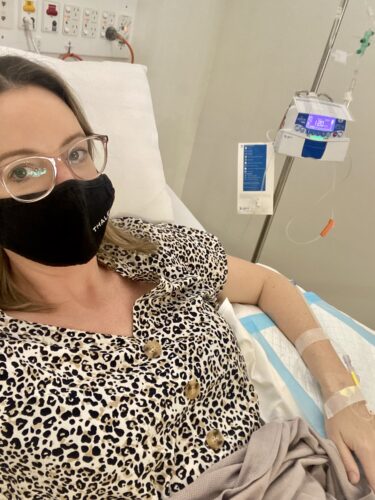
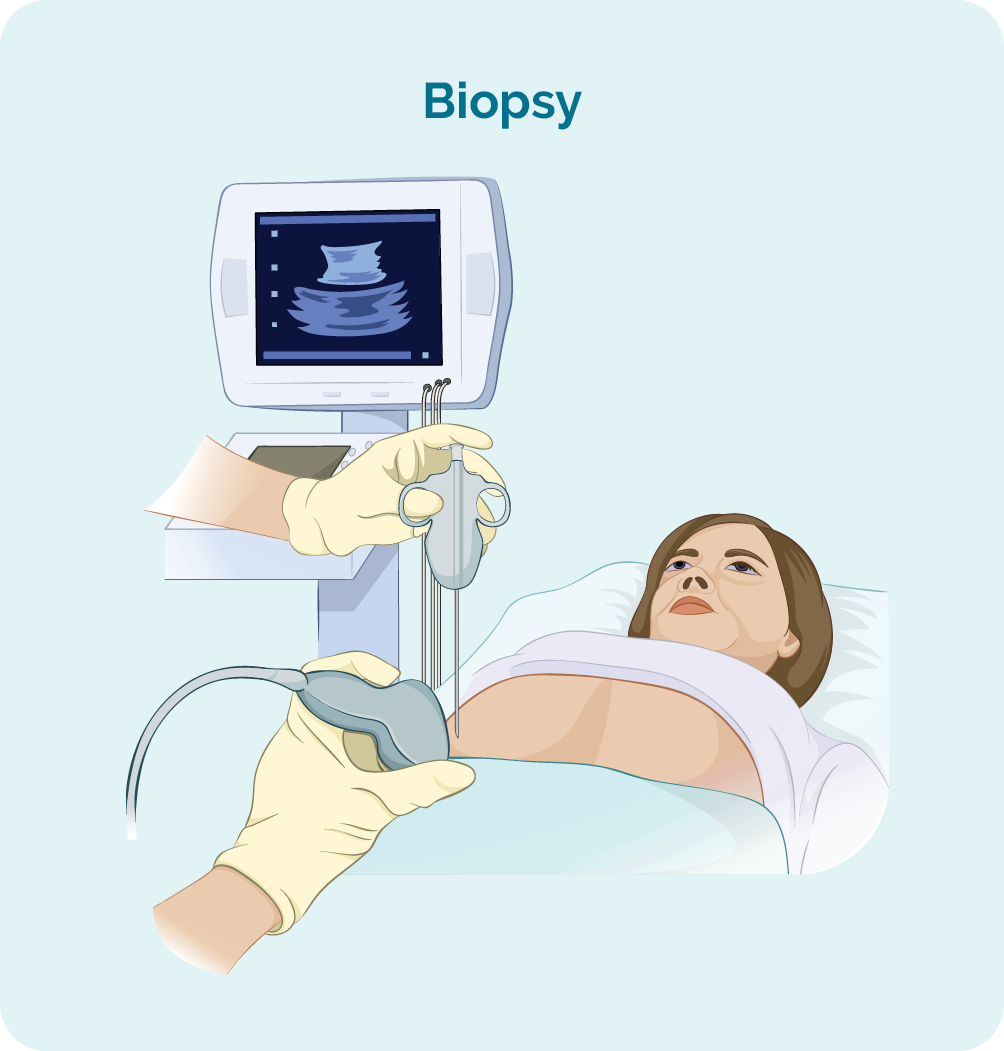
I was 36 when my Follicular Lymphoma was found completely by chance during a breast mammogram and ultrasound.
I had no symptoms. I could not feel any lumps from the outside and I felt completely normal, which made being diagnosed with stage 4 Follicular Lymphoma a huge shock.
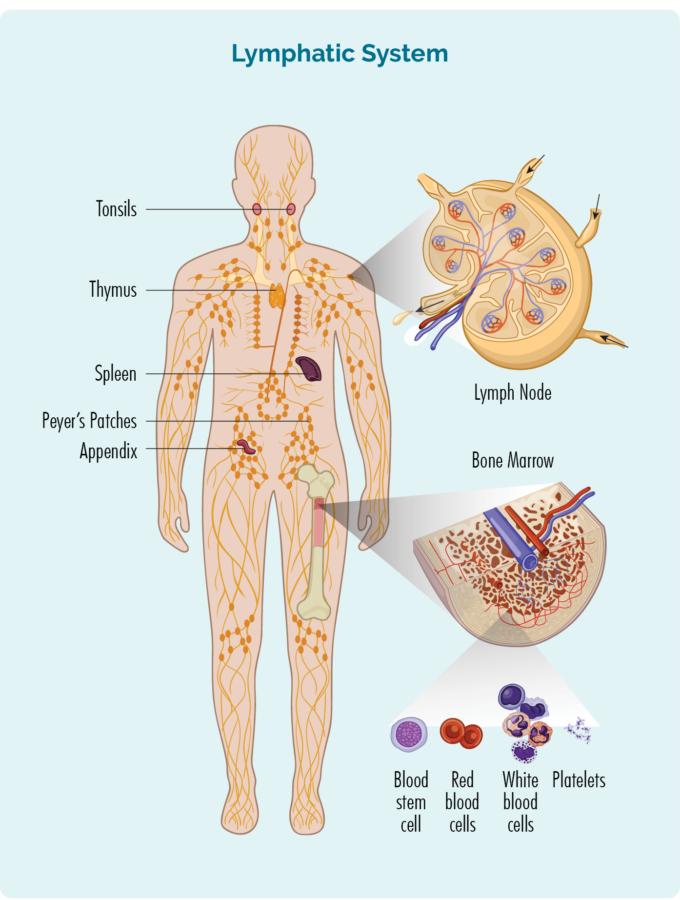
After the initial finding, I had surgery to remove lymph nodes from under my arm, a bone marrow biopsy, a PET scan and a CT scan. The results showed affected lymph nodes from my neck to my groin, throughout my abdomen, as well as involvement in my bone marrow and lungs on both sides of my body. Because I felt so well, hearing that the lymphoma was already stage 4 was incredibly confronting.
Watch and Wait
At first, I was placed on watch and wait. Over time, though, the lymph nodes became larger and eventually started affecting my ability to swallow. My spleen had also grown significantly. It went from around the size of an apple to taking up about half of my abdomen, and it became extremely uncomfortable.
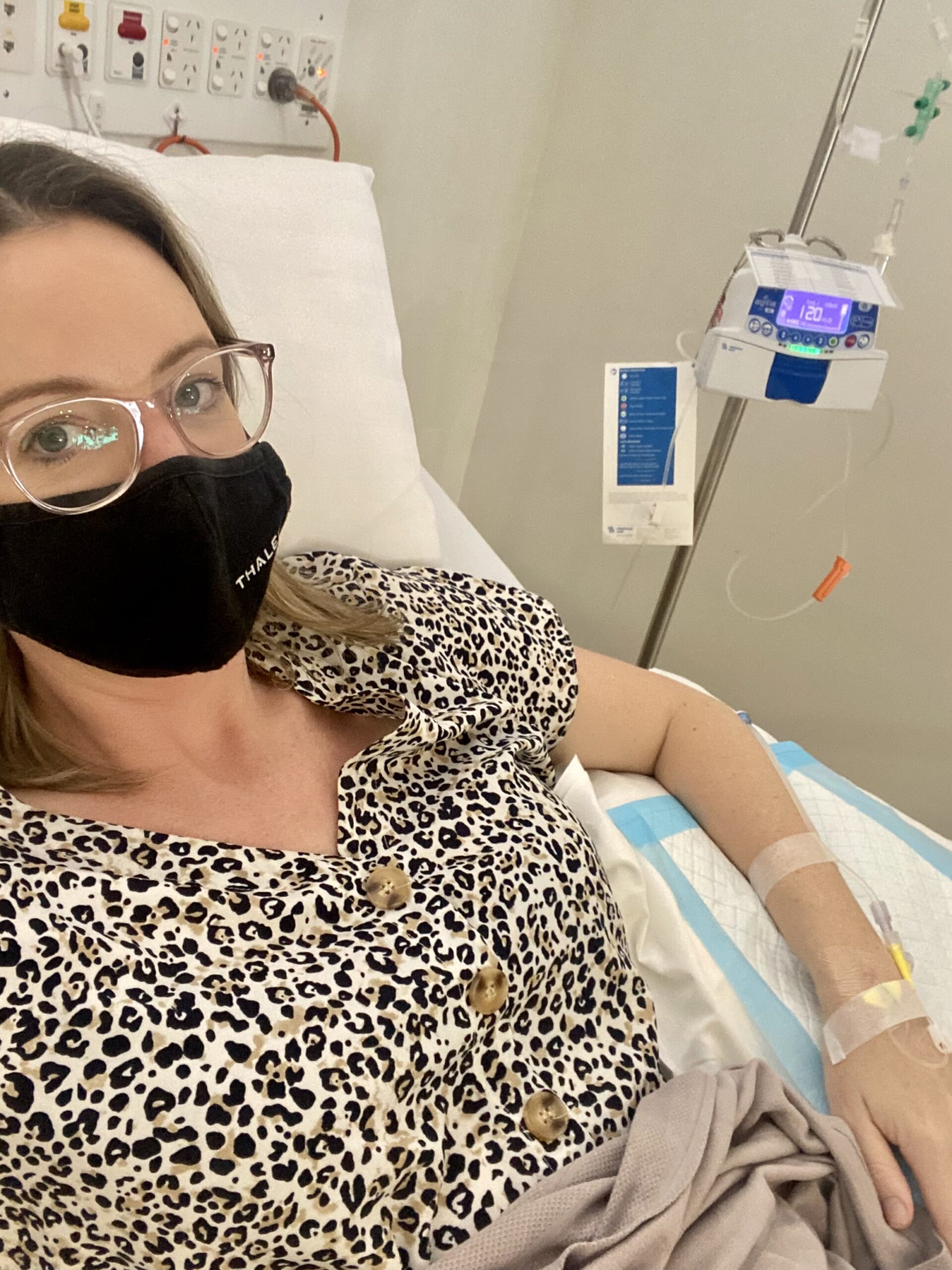
That was when treatment needed to begin. Chemo immunotherapy started just before Christmas, 11 months after my diagnosis.
Treatment
My treatment has been at a private clinic on the Sunshine Coast. My haematologist and the nurses have been lovely, always helpful and reassuring.
The chemotherapy itself has been tough. Extreme fatigue has been one of the biggest side effects, particularly during the week after treatment. I have also experienced nausea and what my haematologist describes as a state of having “no enthusiasm about life”.
Work and Family Life
I had to stop working for the entire treatment period. My job was physical and involved working in an environment with a high risk of germs, so I would not have been able to safely or physically perform my usual duties.
I also have two primary school aged boys who are very active and busy. My partner works an hour away from home, so managing family life during treatment has required extra support.
I have been very fortunate that my parents have been able to fly up from Victoria to help during the more difficult weeks after chemotherapy.
Finding Support
Lymphoma Australia has provided me with information and resources that have helped me understand the illness and what to expect. I received a support pack, and my haematologist also provided Lymphoma Australia booklets. These were useful before chemotherapy started and gave me information about what to expect and where I could turn if I needed to talk to someone.
I have also attended webinars, regularly used the Lymphoma Australia website and joined the Facebook group. The Facebook group has been particularly valuable. The Facebook group has also been an amazing place to go to understand others’ experiences, tips to combat side effects and just a place for endless support from those in the same position. Being able to hear from people who understand what lymphoma and treatment can be like has made a real difference.
Advice for Someone Newly Diagnosed
Hearing a lymphoma diagnosis is always a shock. My advice is to have someone with you at appointments whenever possible. There can be a lot to take in, particularly in the early days, so it also helps to write down your questions before each appointment.
I would also strongly recommend avoiding Dr Google. It always leads to doom and gloom and is usually not accurate for your situation.
Every diagnosis and situation is different, and general information online can easily create unnecessary fear. Instead, I have found it much more helpful to use trusted information and connect with people who understand. Join the Facebook group. So much support can be found there.
For me, having reliable information, support from family and access to others going through similar experiences has helped make an incredibly difficult time feel a little less isolating.