Diagnosis
On Sunday 6 February 2022, I went into hospital believing I had a kidney stone. After a quick CT scan, I was advised it was not a kidney stone, it was a tumour.
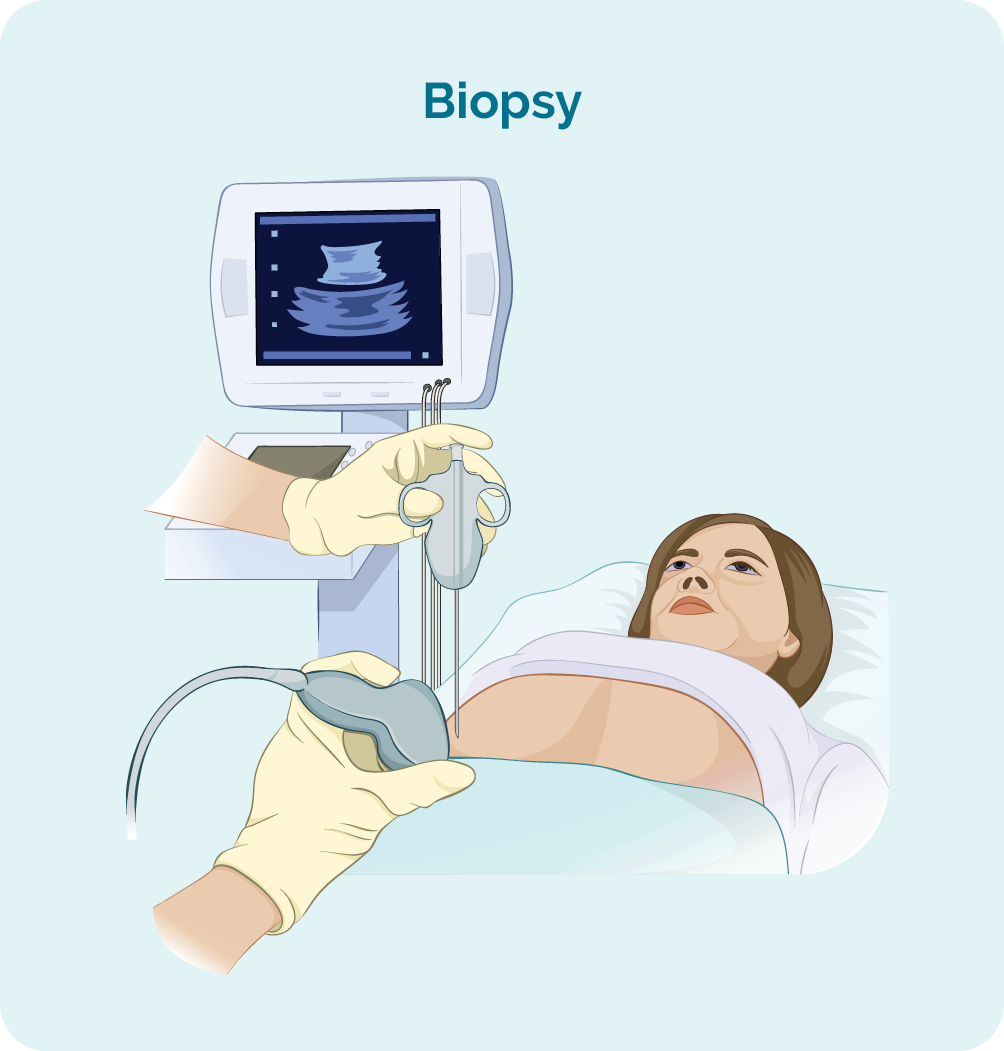
The tumour was pressing on the ureter, blocking the drainage from my left kidney and causing the kidney stone symptoms. A quick procedure to insert a stent to save my kidney set the ball rolling. There was some delay before I could have a PET scan due to patient numbers, however once that was completed, it was on to having a biopsy. Due to the nature and location of the tumour, it was necessary to have a laparoscopy to take a sample.
On 1 March 2022, I was advised by my haematologist that I had stage 4 DLBCL. Not knowing much about cancer, but enough that stage 4 was uncomfortably close to a dropping off point, I said, “that doesn’t sound too good.”
My haematologist advised me that I needed to focus on the recovery rate, which was around 70%, and not the diagnosed stage.
Treatment
My haematologist then asked if I would be interested in taking part in a trial to test new drugs along with the RCHOP chemotherapy drugs.
I accepted and made an immediate start on a 6 cycle, 3 week treatment plan.
At the 3 month point in treatment, another PET scan revealed the cancer had almost disappeared. While I will never know whether I was on the test drugs or placebo, I feel certain I was on the test drugs. Either way, if it helps find a better way forward for others, then I am happy.
After a further scan at six months, I was declared to be in remission and have remained there since 31 August 2022.
The stent in my ureter was removed after three months. Kidney saved.
Symptoms and Side Effects
I had no symptoms except that I was tired. At the time, I put this down to being part of the recovery process from the knee replacement I had a few months prior to diagnosis.
Support
Within hours of receiving the diagnosis, both Lymphoma Australia and Cancer WA contacted me in person and by phone with information and support for both me and my family – Invaluable.
Lymphoma Australia has been a huge help with resources, including booklets which cover every aspect of my particular cancer, references for further research, and contact telephone numbers to speak with trained personnel on all issues. Webinars have also been most useful.
As WA was in shut down with Covid and visitors were strictly limited, my haematologist offered to speak with my family by phone. I have a daughter in Melbourne, and he was able to answer their questions and step them through the processes involved.
Support from my medical team, Lymphoma Australia and Cancer WA, family, friends and neighbours was amazing. I never felt alone.
I had friends in NZ, who I had lost contact with over the years, call and re-establish our relationships. I was also very fortunate to have a friend who had been through two mastectomies provide support and advice on her experience, which prepared me for what may happen, bearing in mind that each person reacts differently in similar situations. A friend who had suffered an accident which left him a paraplegic also provided support. Both were invaluable.
Family, Work and Everyday Life
My daughter from Melbourne was able to relocate to Perth and work from our home while keeping an eye on me during the day, when the rest of the family went to work. This provided some sense of normalcy around the place. I was very lucky that her employer in Melbourne allowed my daughter to work from Perth for five months.
Advice
The things that helped me through were:
- Support from my medical team, Lymphoma Australia, Cancer WA, family, friends, neighbours and people I did not even know.
- Following medical advice.
- Exercise.
- Positive attitude.
- Belief I would win.
- Listening to music that I liked, classical and pop, full of life and energy.
- Laughing. I watched hours of comedy on TV.
- Communicating with others.
- Keeping my mind active through drawing, reading and puzzles.
- Sleeping when my body felt like it.
- Listen to your body.
Life in Remission
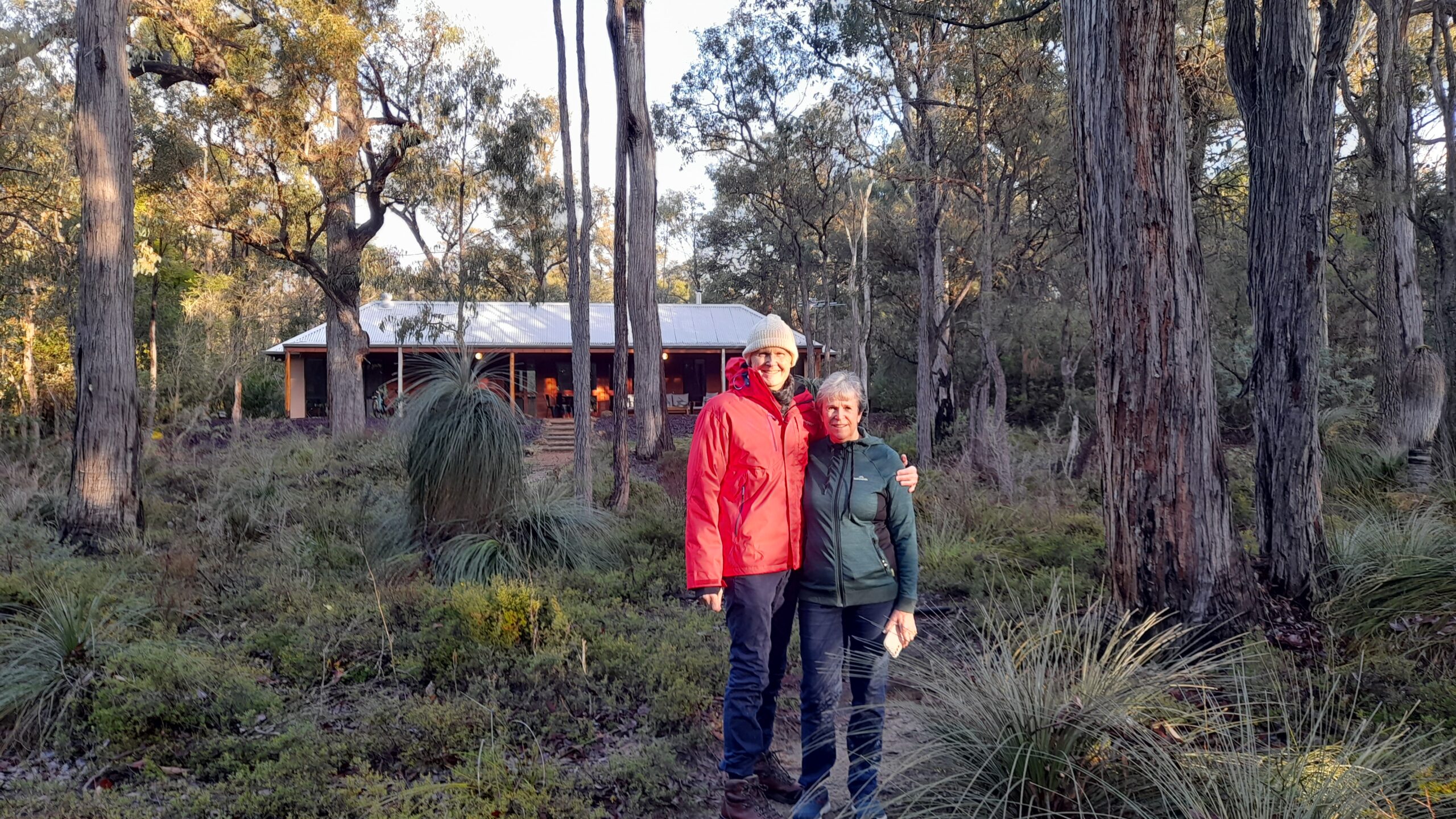
I have remained in remission since 31 August 2022. I consider myself to be the luckiest man alive and credit it to a team effort. Incredible support, positive attitude, following the direction set, taking advantage of opportunities and exercise all helped me.
I am currently working as a school traffic warden and a casual mail sorter with Australia Post over the Christmas period.
I am also planning Christmas in the snow next year. Life is great.