Bryony’s Story: Facing Hodgkin Lymphoma at 30
A Surprising Diagnosis
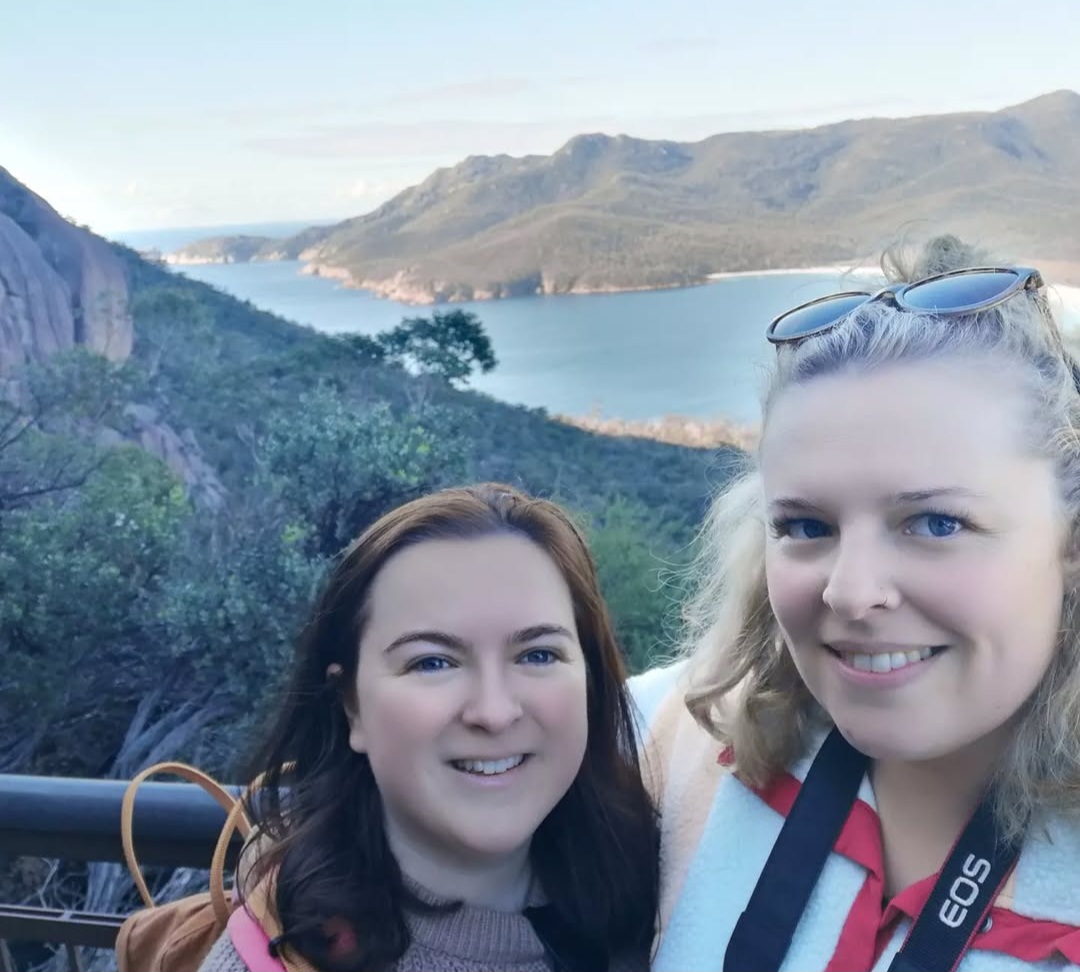
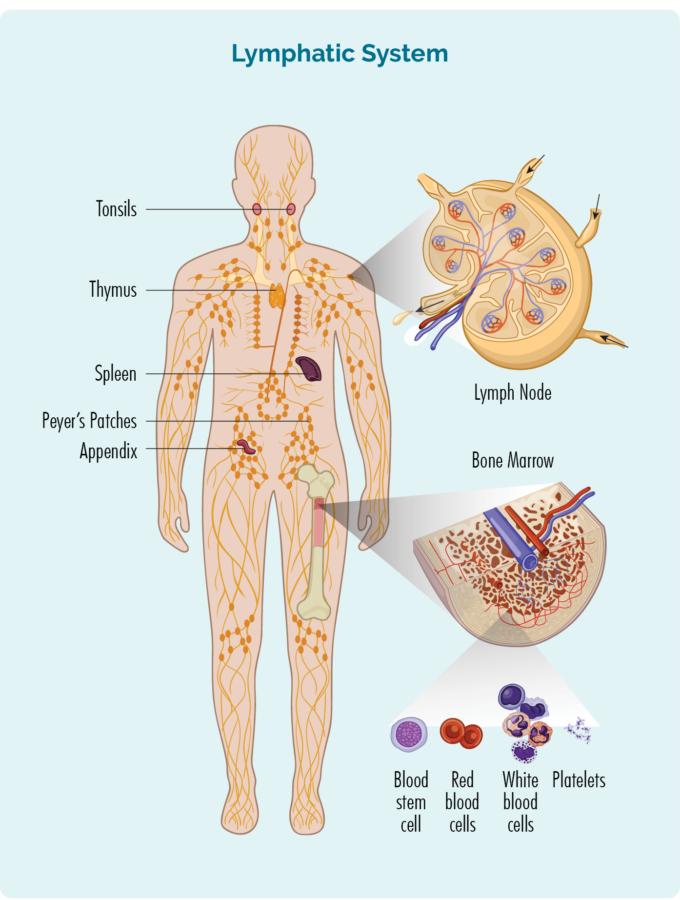
“I had just turned 30. I had returned home from a trip overseas and noticed a persistent cough, which I put down to allergies. One night, while massaging a lump in my collarbone that would not go away, I decided to visit a new GP.”
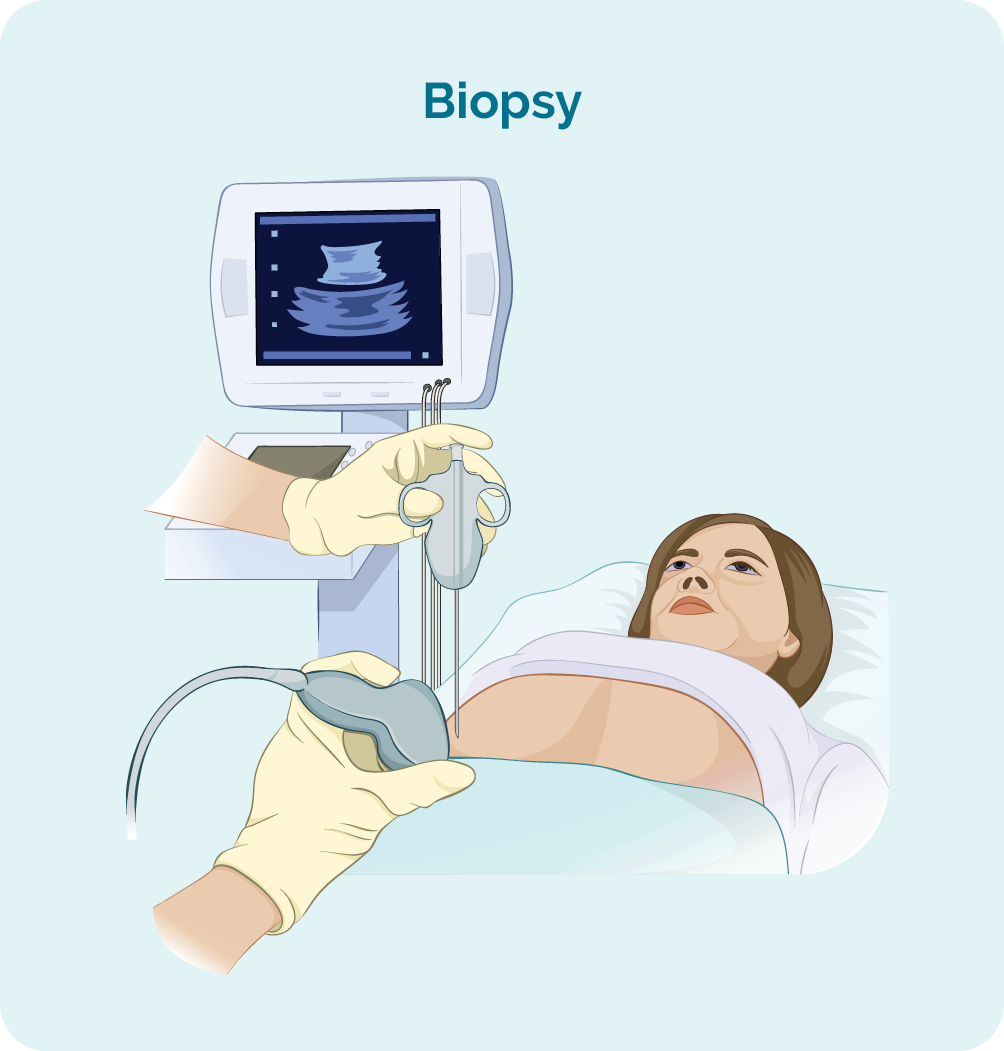
Her GP acted quickly. “The blood tests came back abnormal and the ultrasound showed something unusual. I had a fine needle biopsy that was inconclusive, but my GP’s vigilance led her to refer me to the Haematology department. They performed a core biopsy, which confirmed Hodgkin Lymphoma. From visiting my GP to starting treatment was just four weeks. I cannot thank her enough.”
Symptoms and Challenges
Before treatment, Bryony experienced a persistent cough and noticed the lump in her collarbone. During chemotherapy, she faced peripheral neuropathy, nausea, and allergic reactions to adhesives and chlorhexidine. “I even had a reaction to the PICC line which resulted in blisters,” she recalls.
After treatment, she dealt with heavy periods, persistent tachycardia, low B12, and anaemia. Despite these challenges, she stayed determined. “I kept active during treatment and tried to eat well, which I think helped me handle the side effects.”
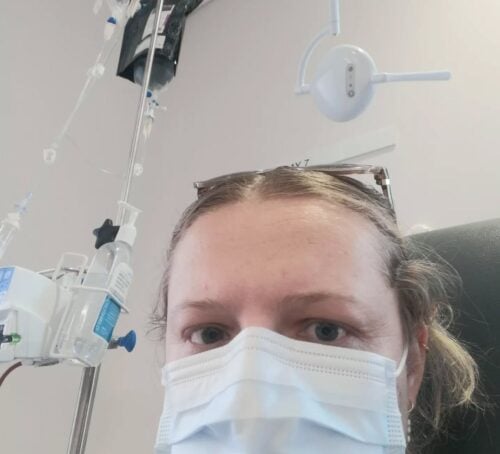 The Treatment Experience
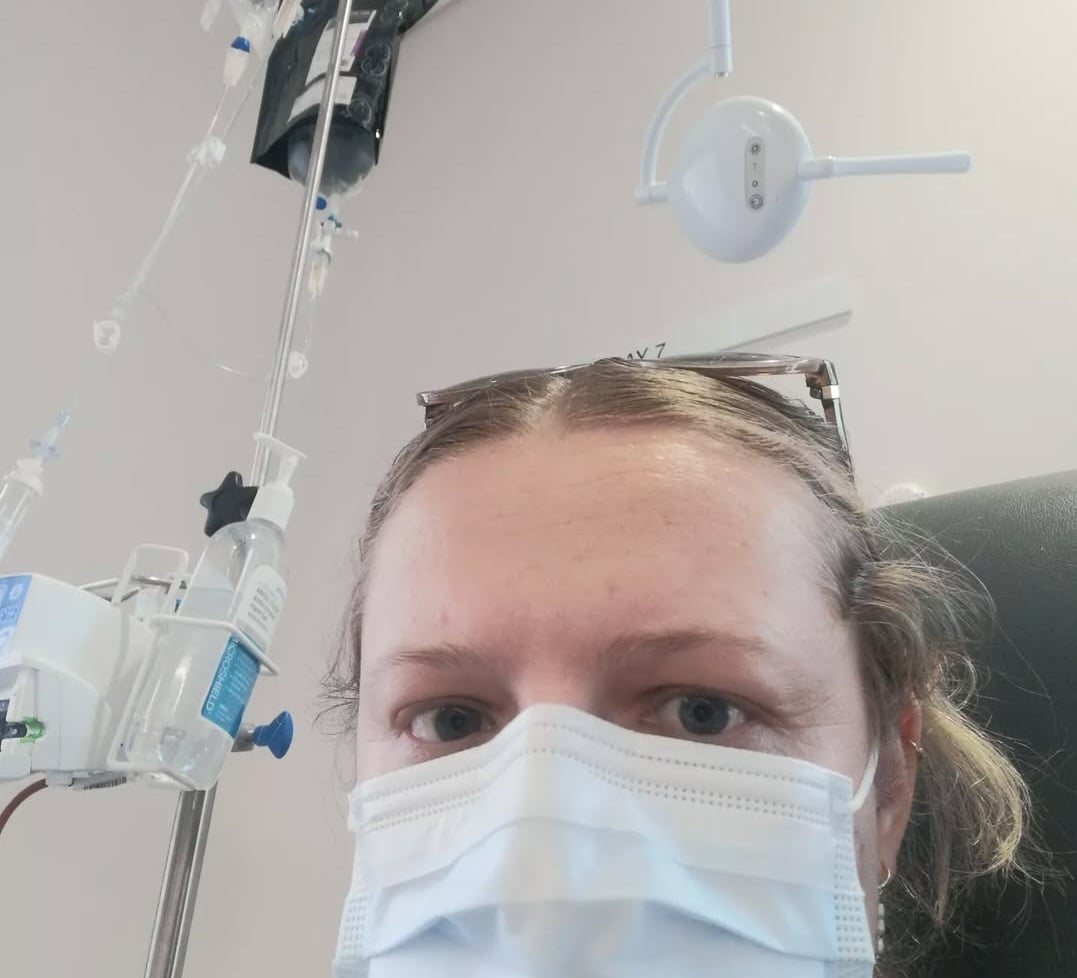
Bryony underwent ABVD chemotherapy. “After a couple of cycles, my PET scan indicated I was in remission. Staying active and eating healthily helped me bounce back quickly. Days one to seven were rough, but by day eight I was largely back to normal, minus the bowel issues.”
Support That Made a Difference
Being a nurse herself, Bryony found it emotionally challenging to become a patient in her own hospital. “Emotionally, the hardest days were the ones before each treatment. Physically, the body aches were the worst. Financially, there were costs for medications and biopsies, even though most treatment was covered by Medicare.”
Her support network was essential. “I was lucky to have a very supportive partner and great friends. My family is all overseas, which was difficult, but having people around constantly made a huge difference.”
Lymphoma Australia’s Role
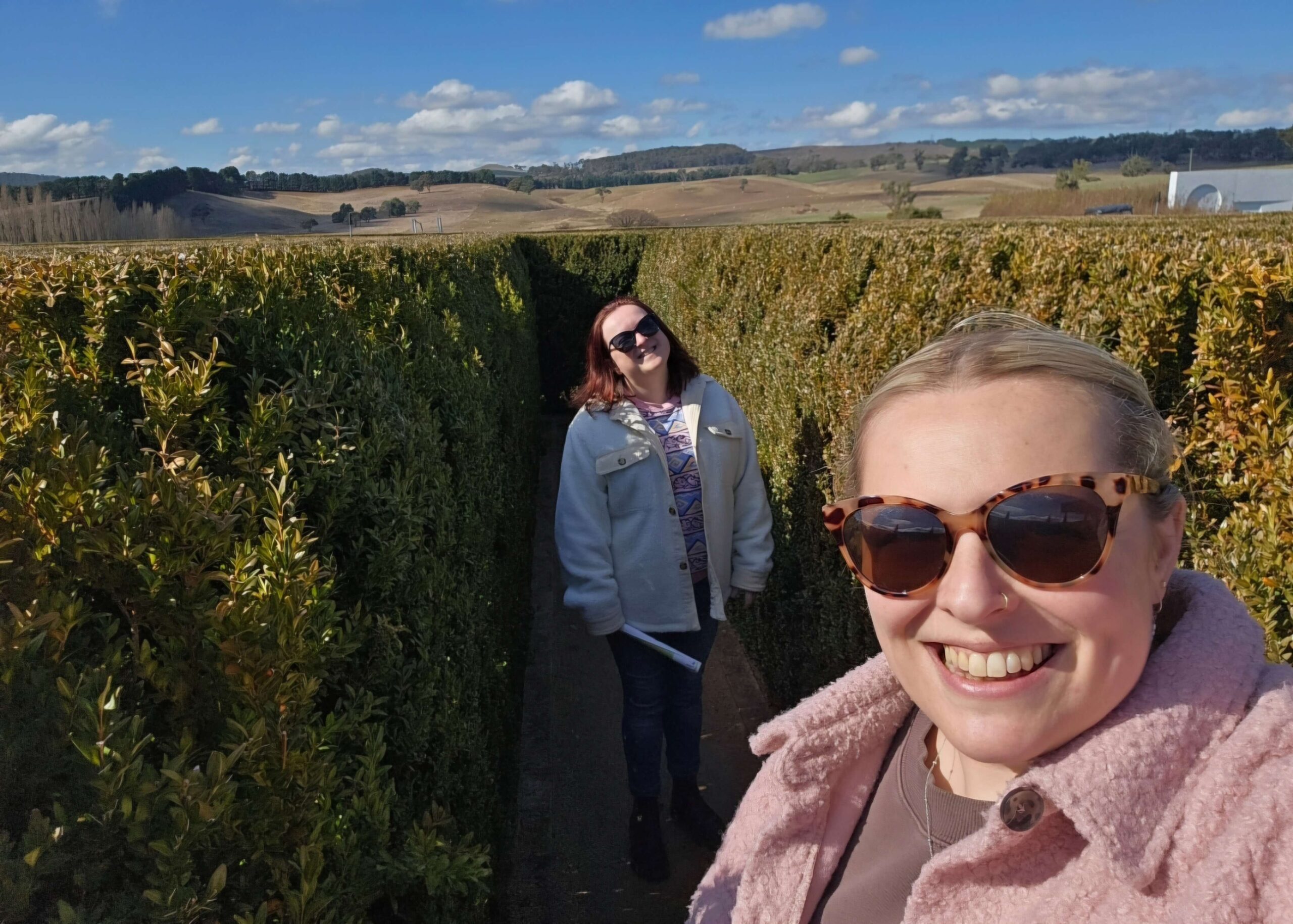
Bryony first learned about Lymphoma Australia at a nurse clinic post-diagnosis. She accessed a patient treatment pack and joined Facebook support groups. “The patient pack was incredibly helpful. I used items like the gentle toothpaste after treatment. The Facebook groups allowed me to connect with others so I did not feel alone. The nurses always provided timely information and someone to talk to or bounce ideas off. Thank you!”
Advice for Others
“Take time to process everything. Accept help from people who reach out. Listen to your body and rest when needed,” Bryony advises.
Life in Remission
Now in remission, Bryony reflects on the experience. “Being a patient was challenging in every way, but having access to resources and people who understand makes a real difference.”