Diagnosis
To say I was shocked to receive my diagnosis would be an understatement. I was 29 years old, recently married and trying for a baby. Having cancer was not on my radar.
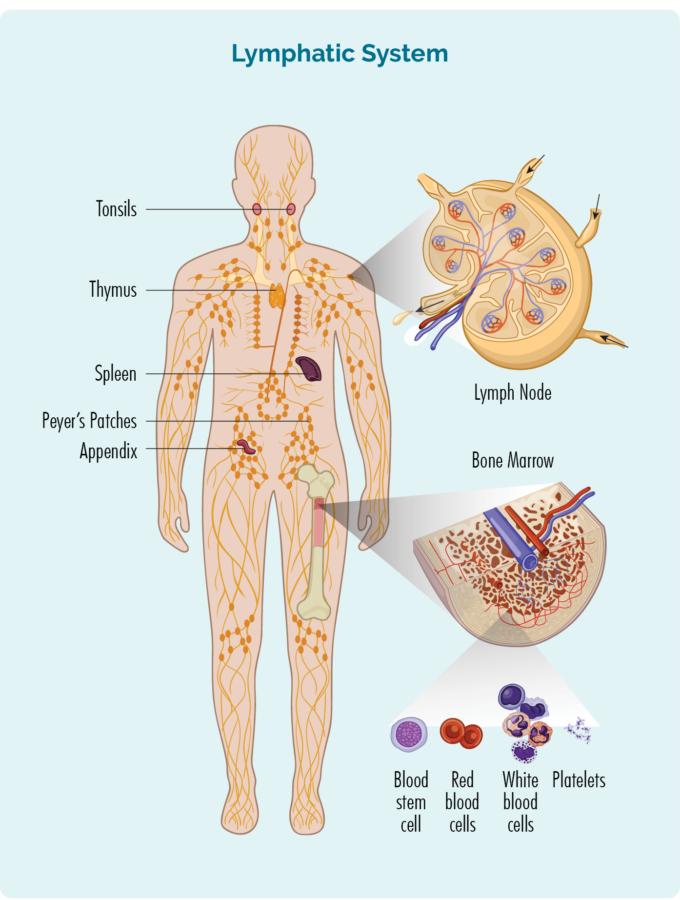
I noticed a hard lump just above my collar bone. A week later, I was having chemotherapy for stage 2 Hodgkin Lymphoma. Instead of the big 30th birthday party I’d planned for, I was lying on my couch with debilitating side effects.
A lump in my neck was the only symptom of my cancer. I had no night sweats prior to diagnosis. I felt like my life had been ripped out from underneath me without my consent. Everyone else got to go on with their lives whilst mine was on pause, so I could focus on nothing but survival.
Treatment
I had 12 ABDV chemotherapy sessions over 24 weeks. During treatment, I suffered terribly. I had debilitating migraines, which required hospitalisation a couple of times. This was eventually linked to Vinblastine, which was removed from my protocol.
My skin felt like I was sunburnt all over and it hurt to be touched. Even showering hurt some days. My mouth was sore and eating was challenging in the week following chemotherapy. I craved sweet food and could not eat anything remotely spicy. I was on high dose reflux medication to keep food down.
Towards the later months of chemotherapy, I put on a lot of weight from the steroids I was prescribed. A delightful 10kg parting gift from treatment.
Night sweats were common, and I would often have to change my sheets in the middle of the night. I lost my hair and with it, untold pieces of myself.
Side Effects and Fatigue
Fatigue was relentless. It did not matter how much I slept, I was still tired. The fatigue lasted months after treatment.
Though I was surrounded by my loved ones, I felt terribly alone and scared. That fear took a long time to abate and is never truly gone.
Accessing Treatment
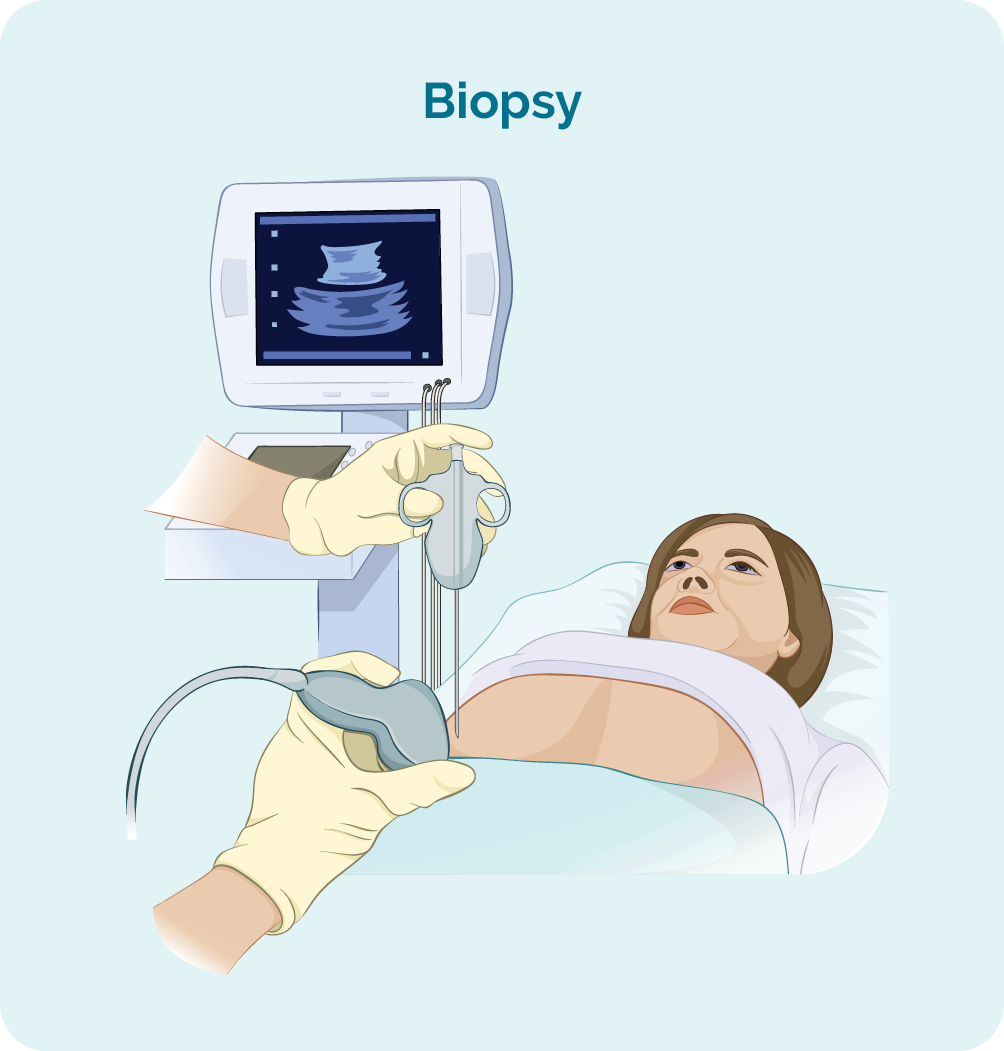
I was very lucky and met my oncologist the day after my GP diagnosed the cancer. I was receiving chemotherapy within a week of getting the ultrasound on the lump in my neck.
The hospital was a 15 minute drive from home, so I was lucky that I lived in an inner city area with plenty of medical resources for tests, scans and appointments.
Work, Study and Family
I was studying at the time of treatment and was provided with a myriad of support from my university. They offered flexible exams and assignment due dates. They were incredible.
My husband also had a very supportive workplace and was able to take whatever time off he needed to get me to appointments and care for me. My mother also took time off work to provide care.
Support
I was given the details of Lymphoma Australia by my oncologist, and my husband found the website. A pack was sent to me with lots of great information about what to expect from treatment.
I was probably just so overwhelmed at the time that it was difficult to take it all in. But I appreciated the resources, and I could go back to them when I needed to. From memory, we only received the patient treatment pack.
I also undertook a fundraising campaign through the website, and years later I participated in the Legs Out for Lymphoma walk in Melbourne.
Feeling Alone
I wish I had access to other patients going through similar experiences during this time. I felt incredibly alone. I am sure it is better today, with easier technological access to connect people. But I wanted to hear good news stories from survivors. I wanted to know that people had made it to the other side of Hodgkin Lymphoma so that I could believe that I would too.
My diagnosis was 10 years ago, and I do not remember the support groups being that prevalent. Or maybe I was too sick to want to participate.
Life in Remission
I am now in remission. Once treatment was over, life went back to “normal”, though there is no true “normal” after cancer. It is impossible to be the person I was before, and that took some time to deal with.
Fear of relapse taunted me for many years, and even now, a decade later, it is not completely gone. As a result, I am hypervigilant with my health, and I do not think that will ever change.
Advice to Others
I would recommend regular appointments with a psychologist during and after treatment. It was the best thing I did to help me unpack a very traumatic life experience.
Connecting with survivors would also have been beneficial for me, to provide hope, particularly early on in my treatment when it all felt insurmountable.
A quote from Nelson Mandela became my mantra during the darkest times of treatment.
“It always seems impossible, until it’s done.”