Ella’s Story: Listening to My Body Saved My Life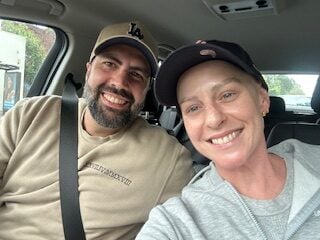
In September 2023, my partner and I visited a doctor to discuss our struggles with falling pregnant. During the appointment, I casually asked about a tiny lump, smaller than a pea, on the left side of my neck. The doctor reassured me that it was most likely my lymph nodes clearing an infection. I took her word as gospel, given that I was a healthy 35-year-old working alongside children.
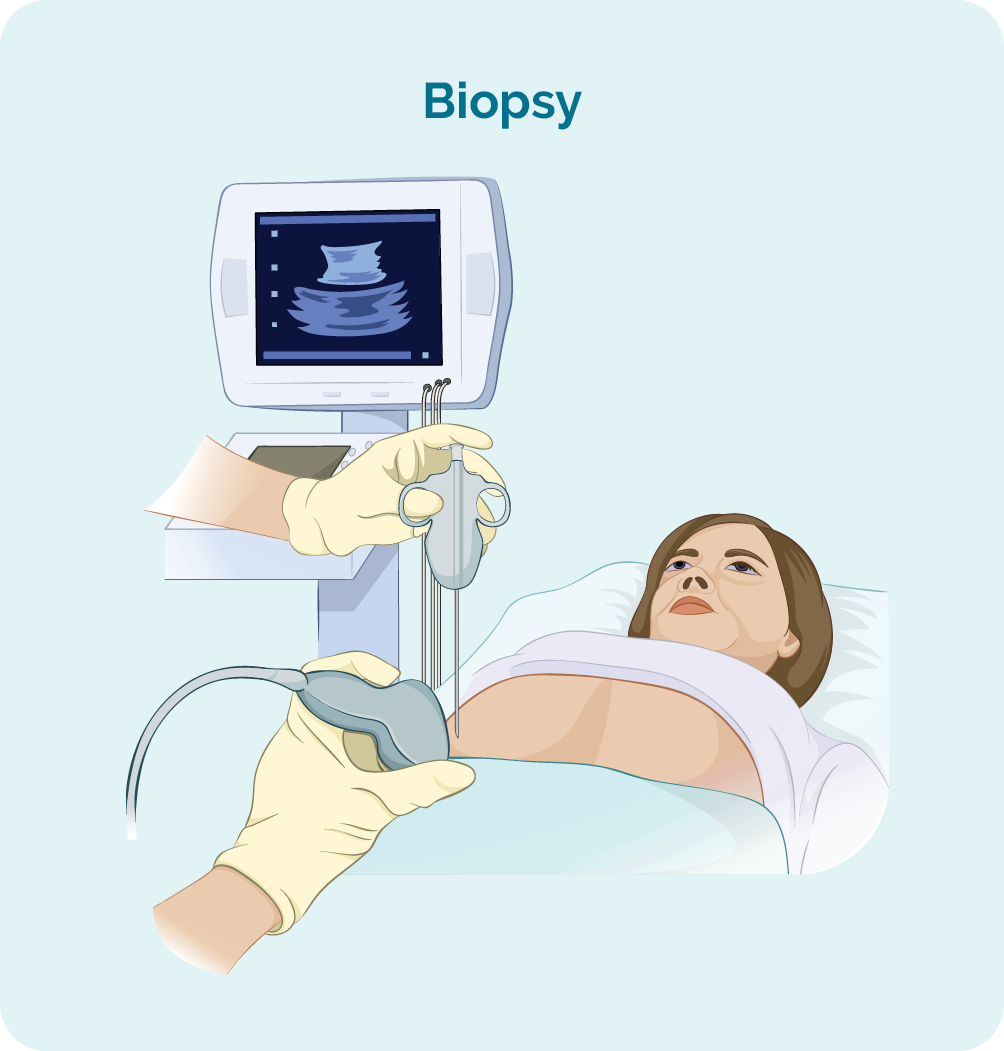
The lump faded from my memory until July 2024, when my fiancé and I were about to start IVF. Something made me check my neck again. The lump had grown to the size of a grape, with two additional small lumps below it. This time, I saw a new GP, who sent me for an ultrasound. Imaging showed the lump was attached to blood, and a biopsy returned as ‘suspicious blood cells.’
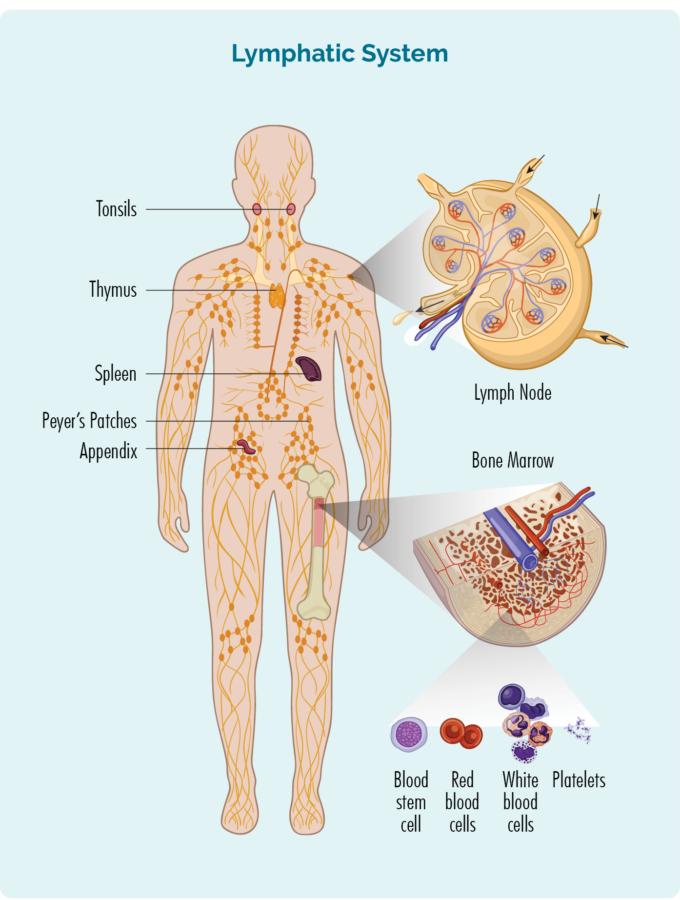
 A haematologist examined me and told me to prepare for a diagnosis of Hodgkin’s Lymphoma. A core biopsy and PET scan followed, and I faced the longest 10 days of my life waiting for confirmation. On 27 August 2025, I was officially diagnosed with Stage 2A Hodgkin’s Lymphoma. The cancer was present on both sides of my neck, under my right collarbone, and as a mass in my chest. The diagnosis was a shock. I had completed the City2Surf just a week prior, was exercising daily, and living a balanced, healthy life.
Before starting chemotherapy, my partner and I completed a round of IVF, retrieving four embryos. Cancer took away the excitement of that journey, but I have made peace with the idea that, above all, I need my health first.
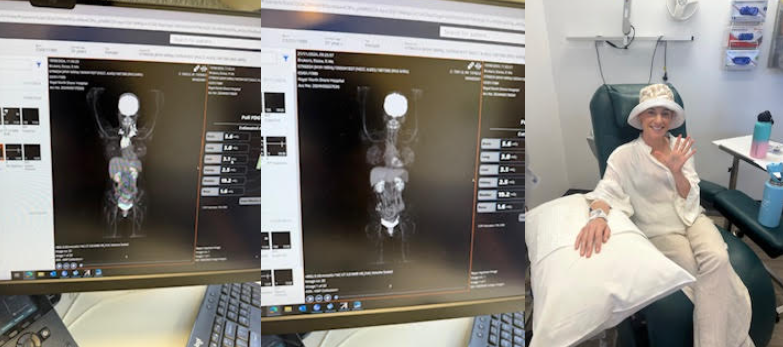
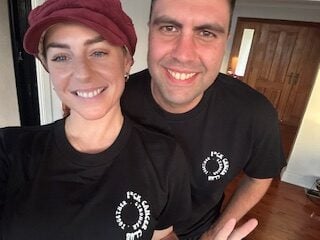
Having my partner, friends, and family has been my biggest strength. It is so important to reach out to people you trust and ask them to check in on you. It makes the journey feel safer. I also emailed the first GP who dismissed my concerns. She admitted she should have advised me to seek further medical attention if the lumps grew. My advice? Know your body. Don’t be afraid to ask questions and seek a second opinion. If I had waited any longer, my cancer could have progressed to Stage 3, spreading to my organs.
Treatment & Side Effects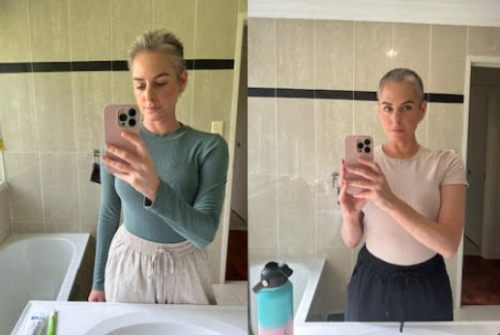
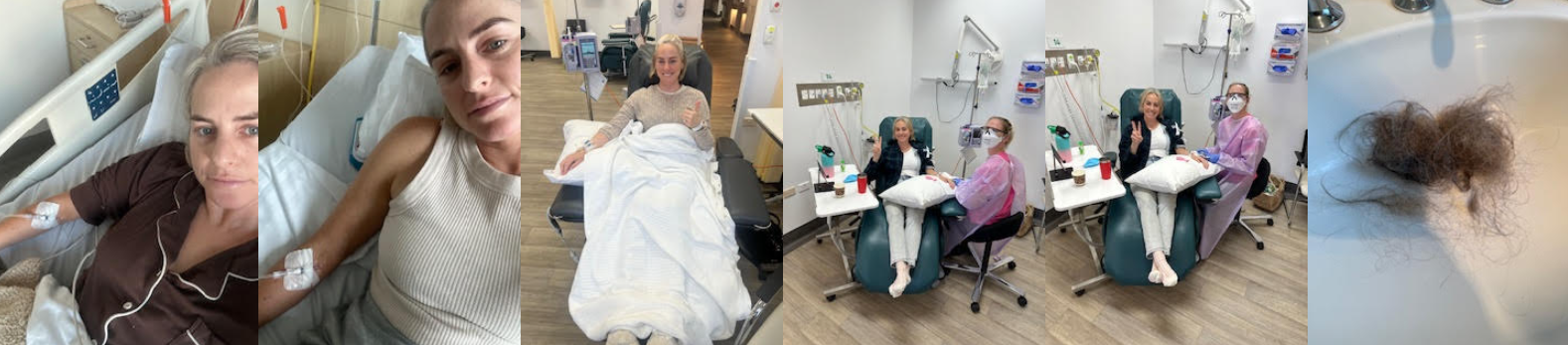
I completed six rounds of chemotherapy and will begin radiation in early January. I had my chemo through IV, but I do not recommend this. One of the drugs, Dacarbazine, was incredibly painful on my veins. If I could go back, I would have opted for a port.
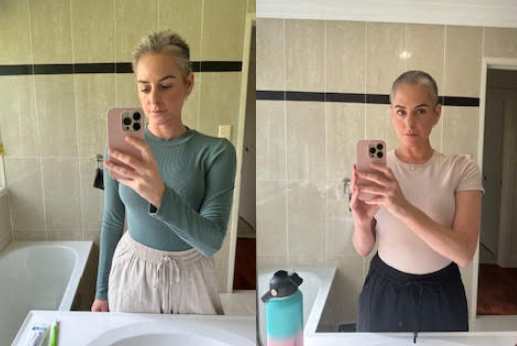
The side effects were tough and varied throughout treatment. I experienced mouth ulcers, which I managed with bicarb soda rinses, Peter Mac mouthwash, and cooling sprays. Constipation was another challenge, which I treated with Coloxyl without Senna and Movicol. I also dealt with fatigue, nausea, sore joints, chemo brain, low mood, insomnia, and what I call “chemo belly.” I lost all my hair, and had ongoing arm pain from the IV chemo.
Staying hydrated was key, when water tasted unbearable, coconut water (chocolate flavour) worked for me. Sleep was a challenge, but sleeping tablets helped on bad nights.
Emotional & Mental Challenges
Cancer is exhausting, physically, mentally, and emotionally. There were days I felt jealous of others, feeling stripped of my routine and the life I had before. The only way I got through was by having an amazing partner and supportive family and friends. I reminded myself daily to take things one step at a time, not to compare myself to others, and to stay off social media.
I also found my hospital’s care team to be unsupportive, but I was lucky to have Lymphoma Australia. Their nurses and patient stories provided invaluable reassurance and guidance when I needed it most.
Work, Life & Support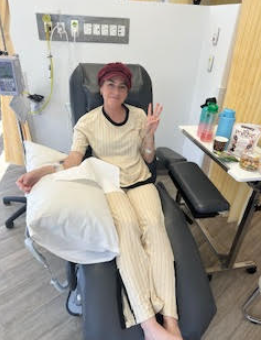
Because my chemo was so strong, and I worked with children, I couldn’t return to work. I used income protection through my super. My treatment was every two weeks, leaving me only two ‘good’ days per cycle to see loved ones. My neutrophils were always low, making me anxious about socialising.
My dad reached out to Lymphoma Australia on my behalf, and they sent me a patient pack with fantastic resources. I used the 1800 support line and found the nurses incredibly helpful. I felt heard, valued, and genuinely cared for, and they had a deep knowledge of the information they were sharing. I mainly used the helpline when I was experiencing symptoms during chemotherapy, as it gave me clarity on what was normal and what to look out for.
I would absolutely recommend the helpline to others. It provided quick answers to my questions, especially compared to my treatment centre, where it could sometimes take a long time to receive a call back or I felt rushed.
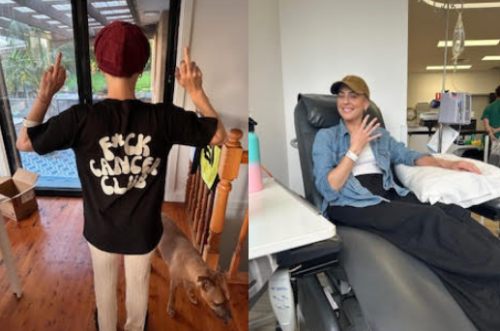 Advice for Others Facing Lymphoma
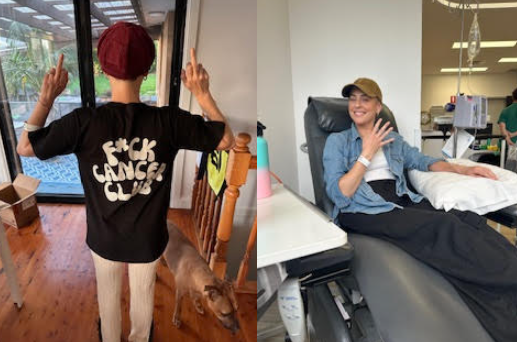
- Get a port, it makes treatment so much easier.
- Keep a diary for each round, documenting symptoms and side effects.
- Research your cancer and treatment. Knowledge is power.
- Take someone with you to every appointment. You won’t be able to take in all the information on your own.
- Reach out to family and friends before starting treatment and let them know how they can support you.
Looking back, there are a few things I would strongly encourage others going through a similar experience to consider. Getting a port made a big difference for me, and it really made treatment so much easier.
I found it really helpful to keep a diary for each round, documenting symptoms and side effects as they came up. Taking the time to research your cancer and treatment is also important. Knowledge is power.
I would also strongly recommend taking someone with you to every appointment, as you won’t be able to take in all the information on your own. And finally, reach out to family and friends before starting treatment and let them know how they can support you. It really helps to have that support network in place from the beginning.
Final Thoughts
I won’t lie, chemo is ugly, and it’s hard. The days feel long, and sometimes, it’s difficult to see the light. It’s okay to cry, to be angry, and to ask, ‘Why me?’ You mourn the life you had while learning to accept the new life you’ll have post-treatment. Right now, I don’t know what that new version of me will look like, but I’m excited to meet her.
I still fear secondary cancer and wonder if my personality will ever be the same. These are things I talk about openly with my friends, family, and professionals. It’s important to express your feelings and know that you are still YOU.
They don’t call us cancer warriors for nothing. This journey cannot be rushed, but we will get through it. We are warriors, and we are stronger than we know.