Emily’s Journey: A Story of Strength, Hope, and New Beginnings
 The Road to Diagnosis
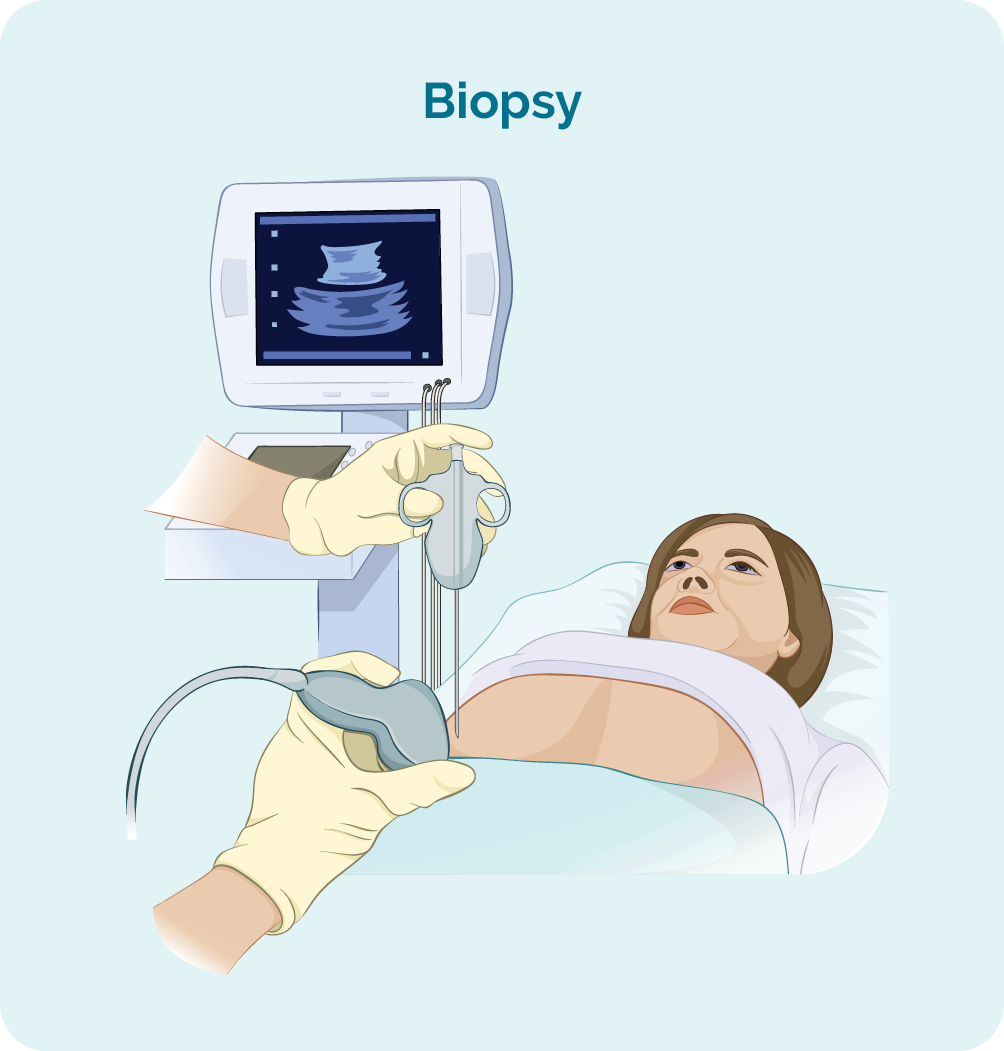
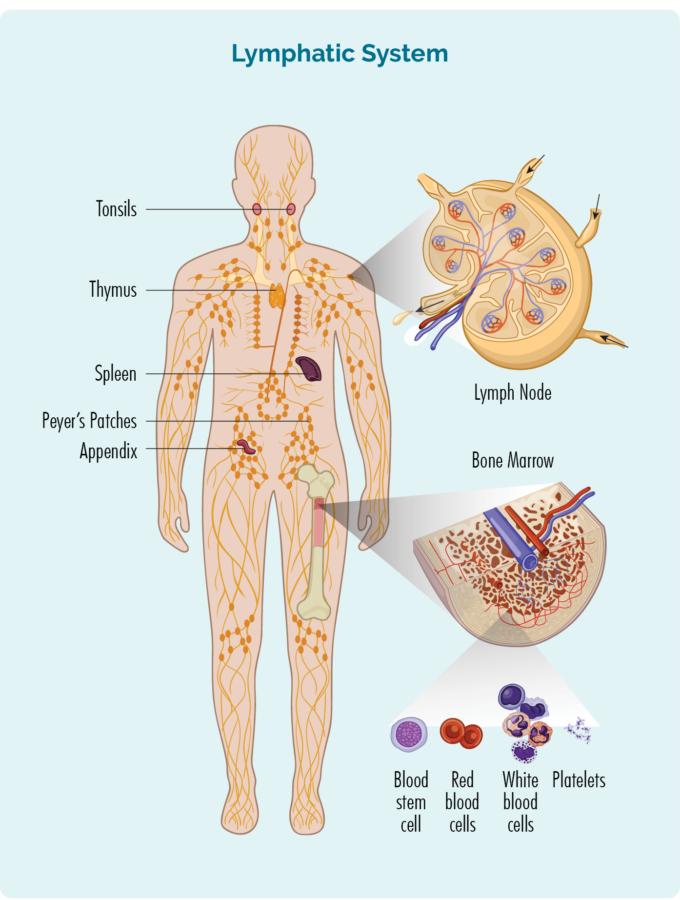
Emily Gibb is currently in remission after a challenging journey with Hodgkin Lymphoma (HL). Her path to diagnosis began in April 2021, after a car accident left her with nerve damage in her left arm. After months of physiotherapy and with symptoms that seemed unrelated at first—such as night sweats, severe itching, and unexplained fatigue—Emily’s condition worsened. In January 2022, she experienced a three-day episode where she lost movement in her arm, experienced high fevers, and suffered from intense head pain. Emily cannot recall the full details of the episode; it was her mum, dad and boyfriend who witnessed the ordeal and later described it to her. Following this, she visited the emergency room, where extensive tests confirmed a diagnosis of Stage 3 Hodgkin Lymphoma.
 The Fertility Journey
Prior to starting chemotherapy, Emily underwent two cycles of fertility preservation, but both were unsuccessful with very few mature eggs collected. She suspects this may have been due to her coming off birth control and starting the fertility injections less than a week later, without giving her body enough time to regulate. Emily believes that with a bit more time, the egg collection process may have been more successful. To help preserve her fertility during chemotherapy, she chose to undergo Zoladex injections at the start of each cycle, though there were no guarantees, as Zoladex can sometimes put patients into early menopause.
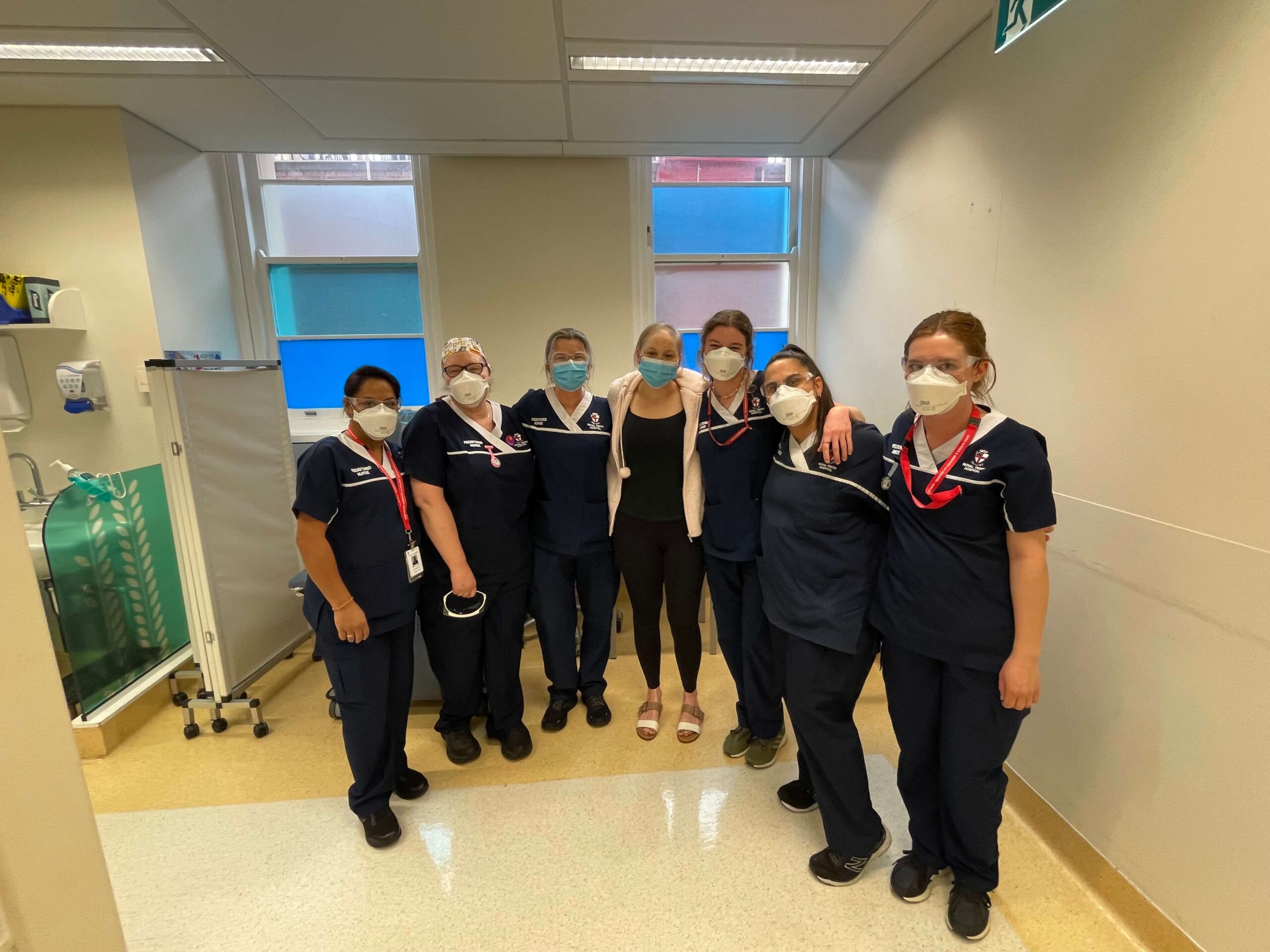
Despite the fertility challenges, Emily remained focused on her recovery. After finishing chemotherapy in September 2022, she was able to return to full-time work in January 2023, a milestone she hadn’t expected to reach so soon. In addition to her work, Emily took two incredible holidays to Exmouth, one of which was a celebration of completing her chemotherapy.
 Finding Support Through the Lymphoma Down Under Support Group
During her journey, Emily found support through the Lymphoma Down Under Support Group, a Facebook community for lymphoma patients. She joined the group to connect with others who were facing similar challenges. “It was such a relief to have a place where people truly understood what I was going through,” Emily shares. “The group gave me a sense of belonging and support, especially when I felt isolated in my experience.”
A New Chapter
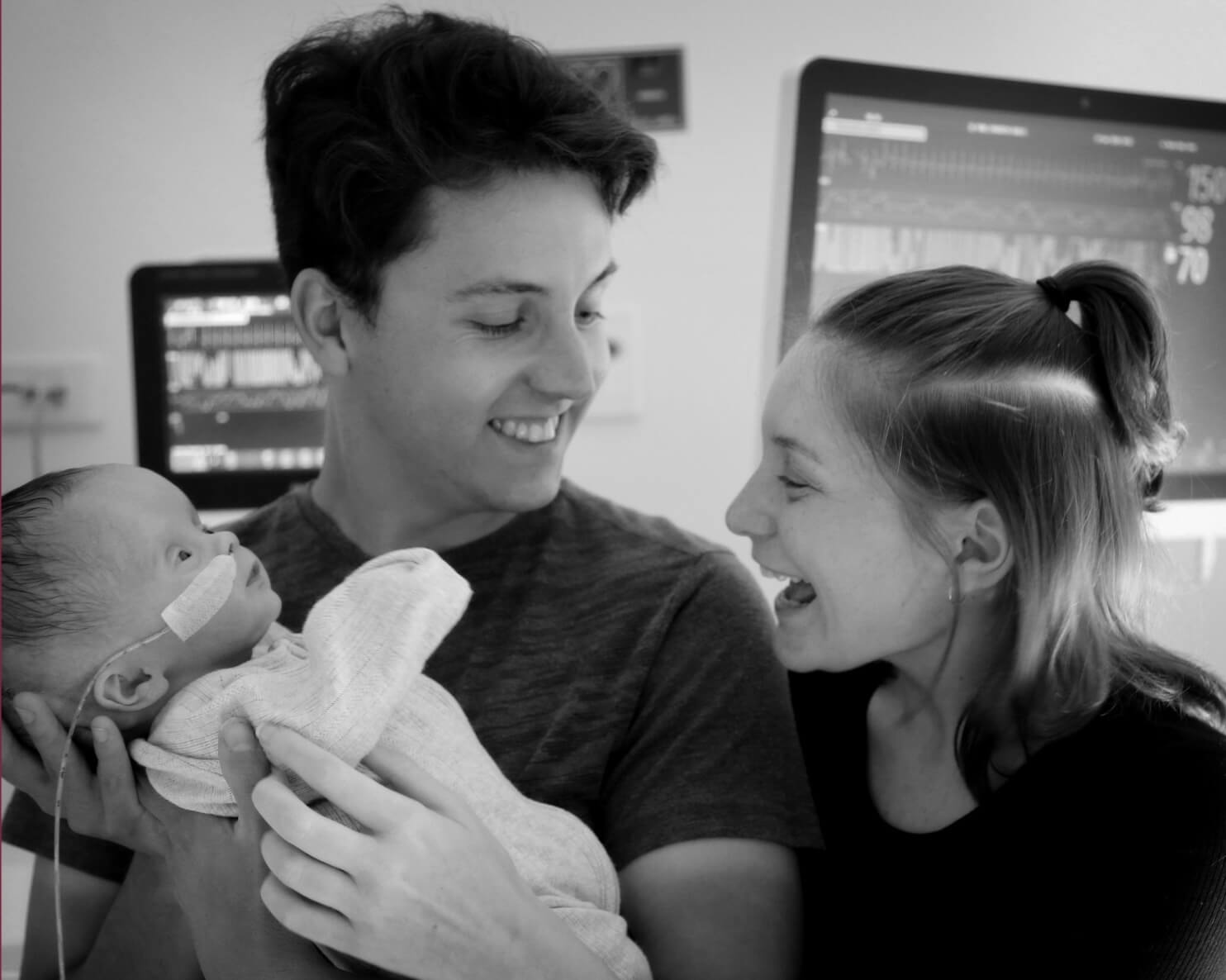
A few days after returning from her second trip to Exmouth in August 2023, Emily received the news that she was pregnant. “I never thought this would happen to me, especially after everything I went through,” she reflects. The unexpected pregnancy is a source of joy and hope for Emily, and she now wants her story to serve as a beacon of hope for others who might fear fertility loss after cancer treatment. “I want people to know that even after lymphoma and treatment, there can still be a future. It’s a reminder that even in the hardest moments, life can surprise you in beautiful ways.”
 Looking Ahead with Hope
Emily’s story is one of perseverance, resilience, and hope. Through the difficult journey of cancer treatment, fertility preservation struggles, and her unexpected pregnancy, she has found strength and new beginnings. “It wasn’t an easy road,” Emily says, “but now, looking at where I am today, I feel so incredibly lucky. I hope my story helps others facing similar battles to never lose hope, because the future can be brighter than you ever imagined.”
We are deeply grateful to Emily for sharing her journey with us. Her story is a powerful reminder that even in the face of life’s hardest challenges, hope, strength, and new beginnings can emerge when we least expect it.