Diagnosis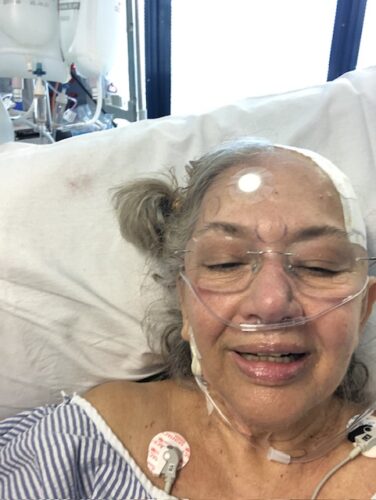
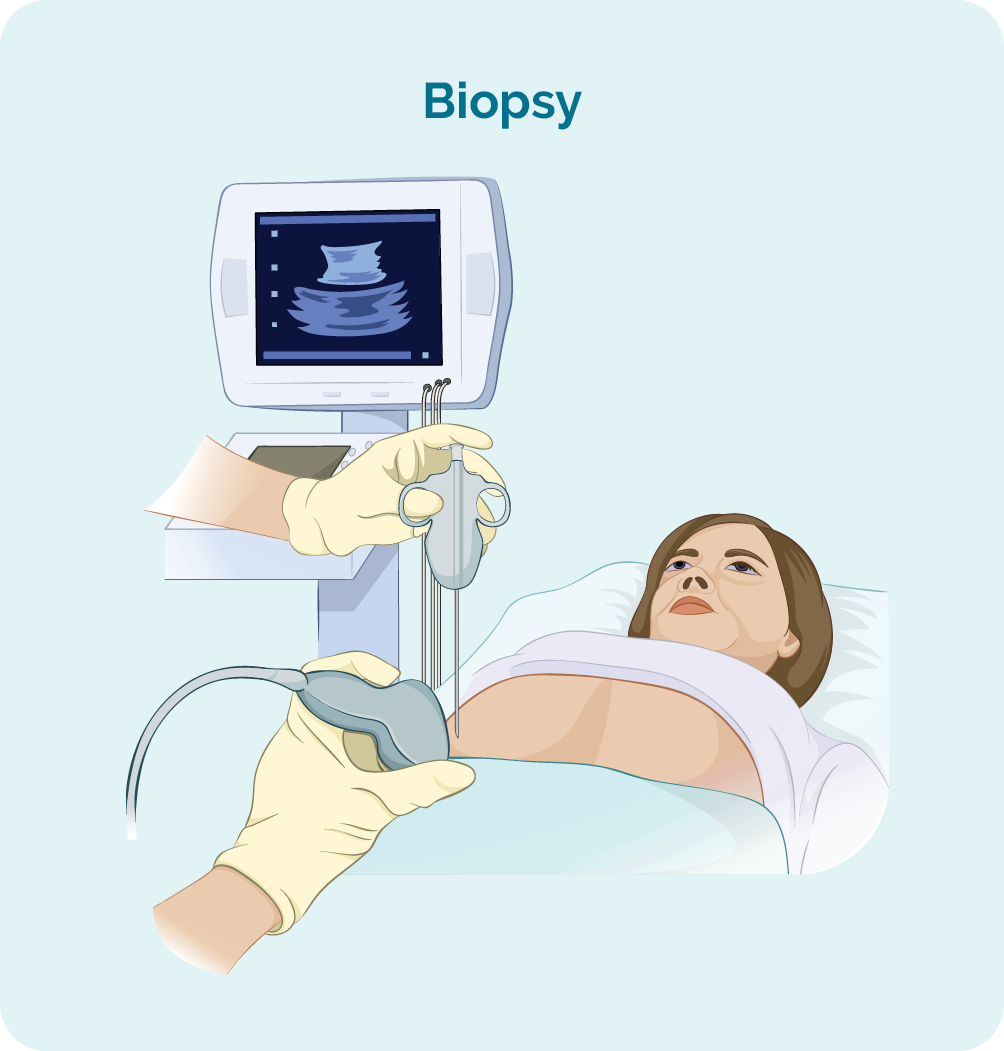
My diagnosis came from a blood test. After that, I was monitored and tested every 6 months.
For around 12 years, things continued this way until I developed a severe cold and was told that I needed treatment straight away.
Treatment
I was due to have FRC treatment for 6 months. During the second month, however, I had a serious reaction and ended up in intensive care. After that experience, I decided I did not want to continue with the same treatment. I then started taking Imbruvica. After about a year, I wanted to stop taking it, but I was told it was a lifetime medication.
A Serious Complication
While taking Imbruvica, I experienced a brain hemorrhage and went to hospital, although the cause was not diagnosed at the time. I later saw my GP because I wanted to change hematologists.
A brain scan eventually showed that I had bleeding in my brain, which was attributed to Imbruvica. I then needed an operation on my brain to stop the bleeding. It was an incredibly serious experience and reinforced for me how important it is to feel comfortable asking questions about your treatment and seeking another opinion when something does not feel right.
Finding Support
During my initial hospital stay, the Leukaemia Foundation found me and I received support from a very empathetic nurse named Caroline.
Lymphoma Australia has also helped me feel that I was not alone, particularly when I was first diagnosed and told that I needed chemotherapy.
I have taken part in webinars and online support groups and received phone calls from a Lymphoma Australia nurse. The online support was particularly welcome during COVID, when connecting with others could be more difficult.
Advice for Others
One of the strongest lessons from my experience is the importance of being involved in decisions about your own care. Always seek a second opinion before embarking on treatment.
I also believe it is important to seek help and support from organisations that understand what you are experiencing and to do your own research. Having information, support and the confidence to ask questions can make a real difference.
Life Now
I have now been medication free for the past two years and feel that I am continuing to get better. My focus is on lifestyle, including diet, exercise, sleep and meditation. After everything I have experienced, looking after my overall wellbeing has become an important part of my life.