 Diagnosis
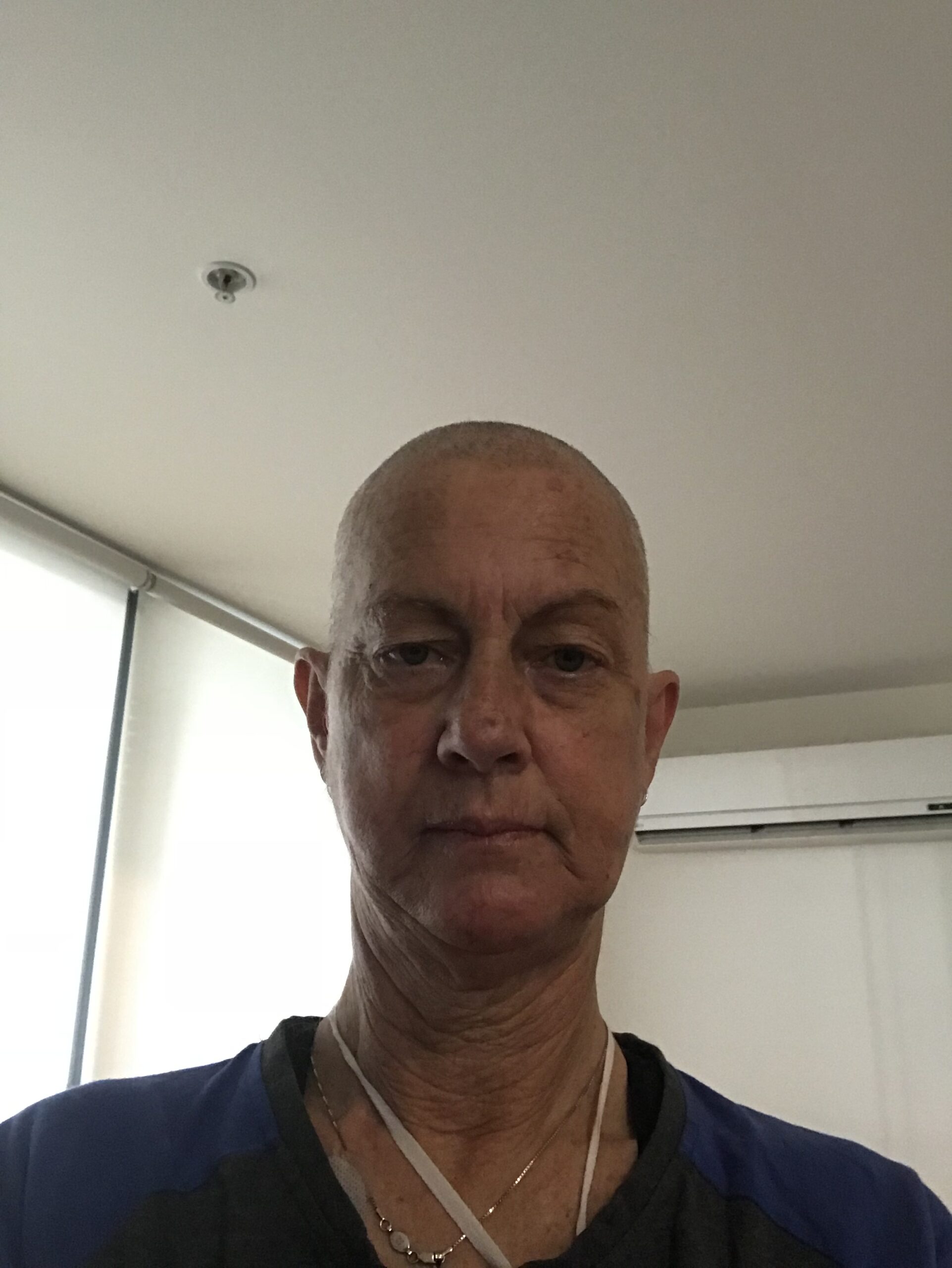
For around two years before my diagnosis, I struggled with severe fatigue and lumps on both sides of my neck. I was repeatedly told by doctors that it was a virus.
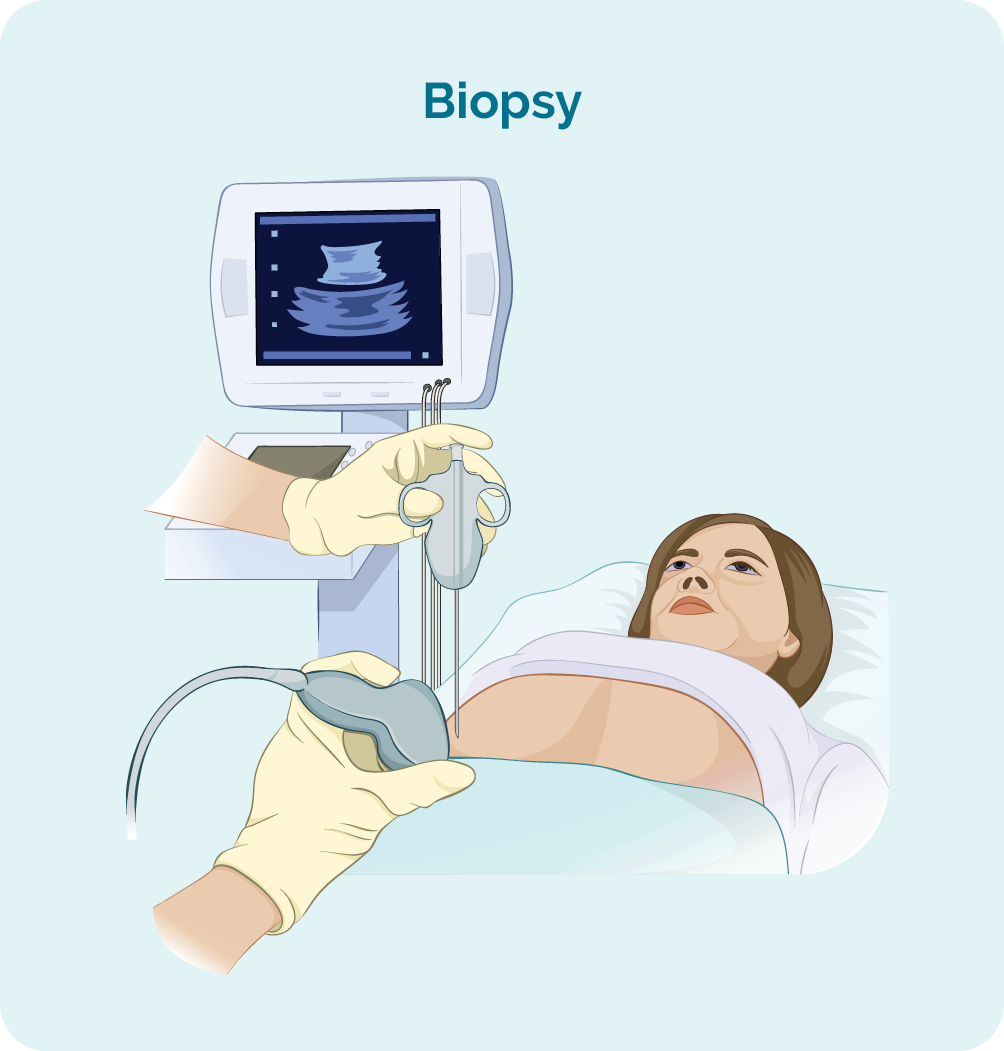
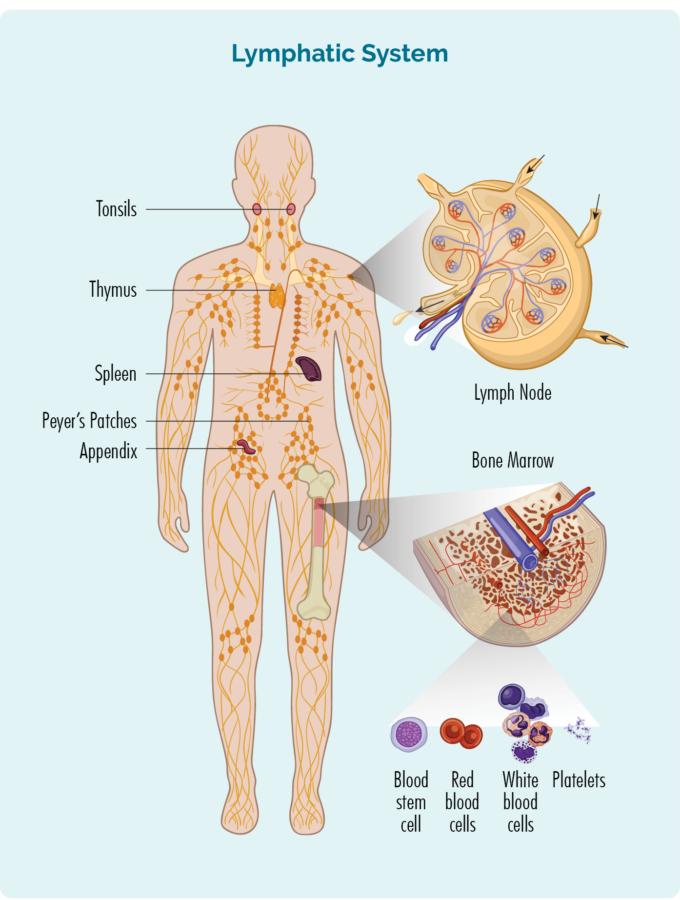
Over time, I started losing a lot of weight and the lumps in my neck became larger. Eventually, after all that time, I found out I had lymphoma.
Once I was finally diagnosed, things moved very quickly. I was admitted to hospital immediately because I was told I was very unwell and would not last three months without treatment. Hearing how serious things had become was confronting, but I focused on what needed to happen next.
Treatment
I started with 6 rounds of RCHOP, but unfortunately, it was not successful. I then had 2 years of Rituximab, which was also unsuccessful.
After that, I had 8 rounds of RGEMOX, but once again the lymphoma did not respond as hoped.
Eventually, I underwent an allogeneic stem cell transplant. That was the treatment that finally put me into remission. I had to relocate for the transplant, which added another major challenge to an already difficult time.
Staying Mentally Strong
Throughout everything, I tried not to focus on why this had happened to me. I never asked why me. I just told myself I would do whatever I had to. That mindset helped me keep moving forward through multiple treatments, setbacks and the transplant.
My advice to anyone newly diagnosed is to prepare yourself mentally, because it will challenge you.
Family, Friends and Support
My family and friends were a huge support network for me. Having people around me who cared and stayed beside me made an enormous difference through the hardest parts.
I also found support through Lymphoma Australia’s online support and Facebook groups. This group has helped me survive my dark moments. Being able to connect with people who understood what I was going through gave me support at times when I needed it most.
Life in Remission
After years of treatment that did not work, the allogeneic transplant finally put me into remission. Looking back, I faced a long period of symptoms before diagnosis, several unsuccessful treatments and the need to relocate for a transplant.
What kept me going was the decision to face each challenge as it came, do whatever treatment was needed and lean on the support of my family, friends and others who understood.