 Melanie’s Story of Resilience and Transformation
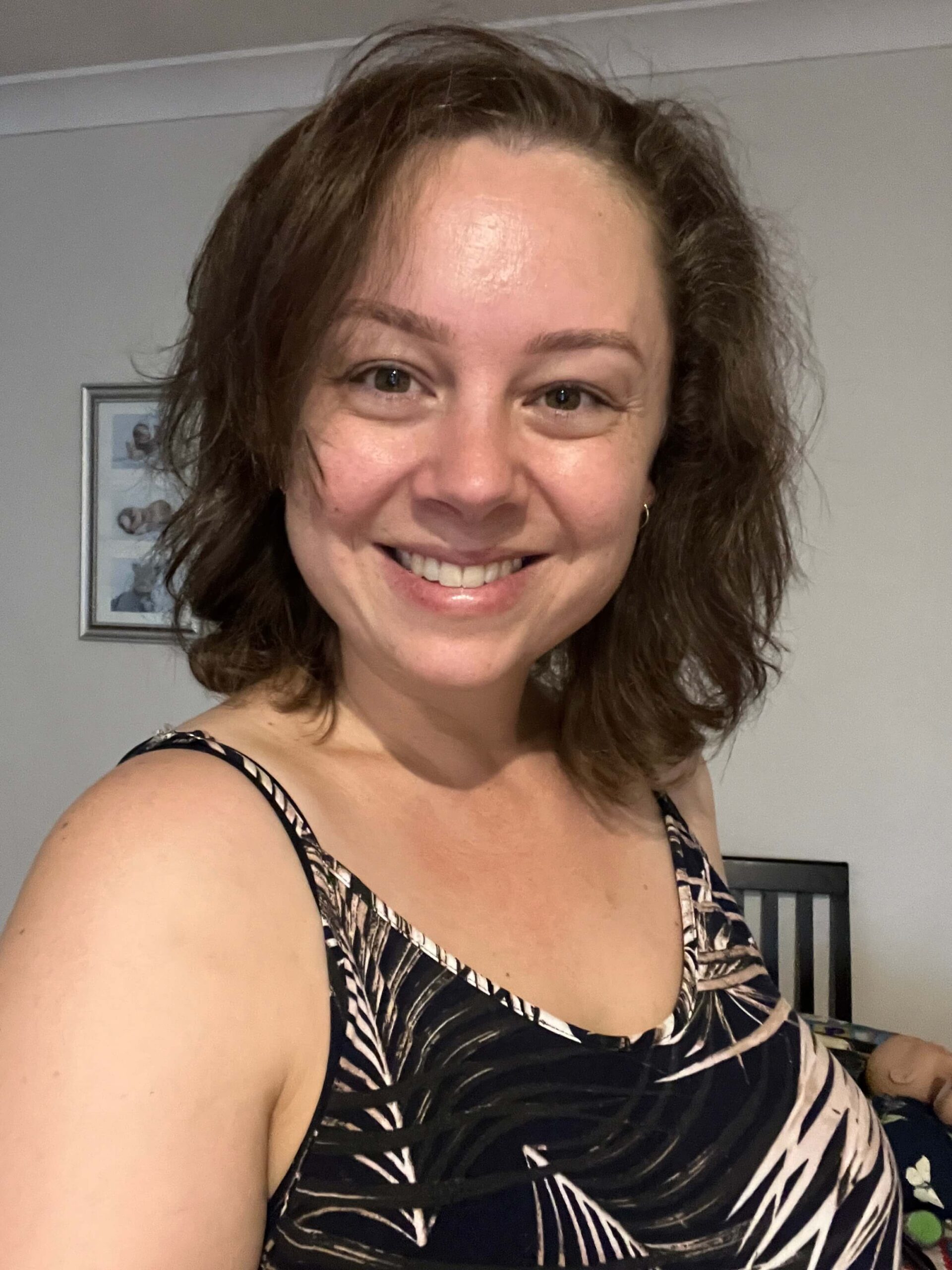
At 36, I was living a busy life as a doctor and a mum, when a small, painless lump appeared above my left collarbone. The lump, though small, was hard to ignore, and being a doctor myself, I quickly realised something was very wrong. But before I could jump to conclusions, I needed to get answers. That period, waiting for confirmation, was one of the most isolating and terrifying times of my life. It’s a time I’ll never forget, and one of the hardest periods I’ve ever faced.
I was diagnosed with Hodgkin Lymphoma (HL) after several tests, and my whole world turned upside down. Along with the lump, I had a dry, persistent cough, and as time went on, it became harder to breathe. I was in a constant state of uncertainty, wondering what my future would hold.
Treatment and the Road to Recovery
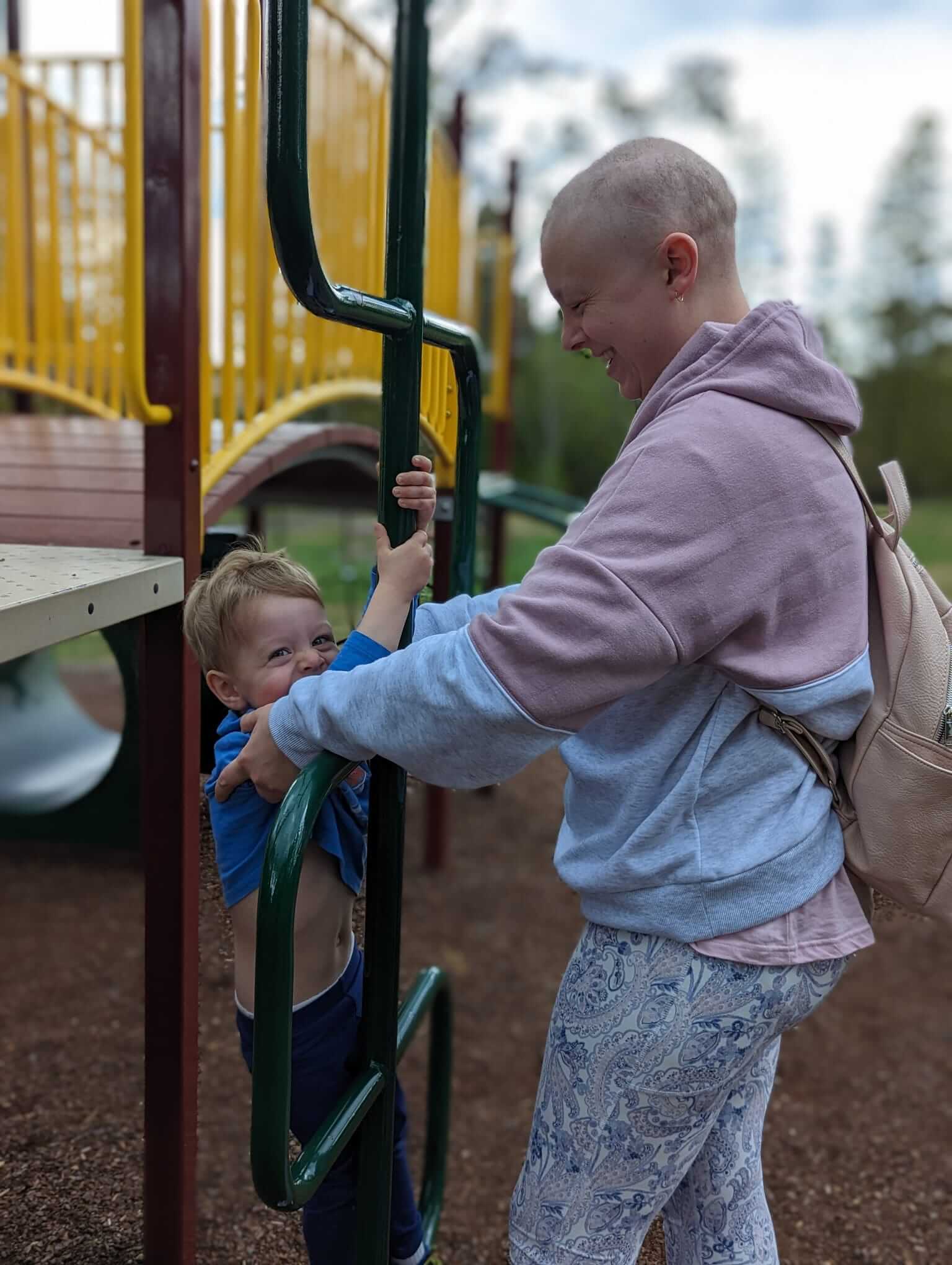
The shock of the diagnosis was compounded by the difficult decision I had to make. I had to stop breastfeeding my son, who was 2.5 years old at the time. This added to the emotional trauma of everything I was going through. I went through an egg collection cycle to preserve my fertility, started Zoladex injections to protect my ovaries, and began ABVD chemotherapy. Following chemo, I had radiotherapy to my chest.
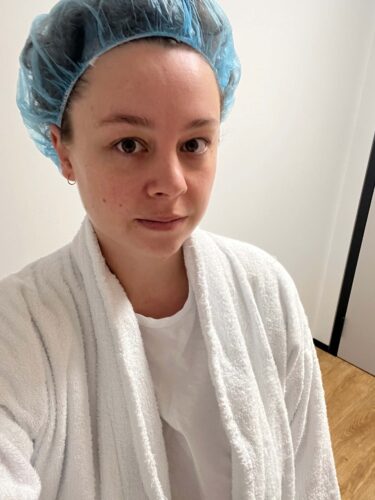
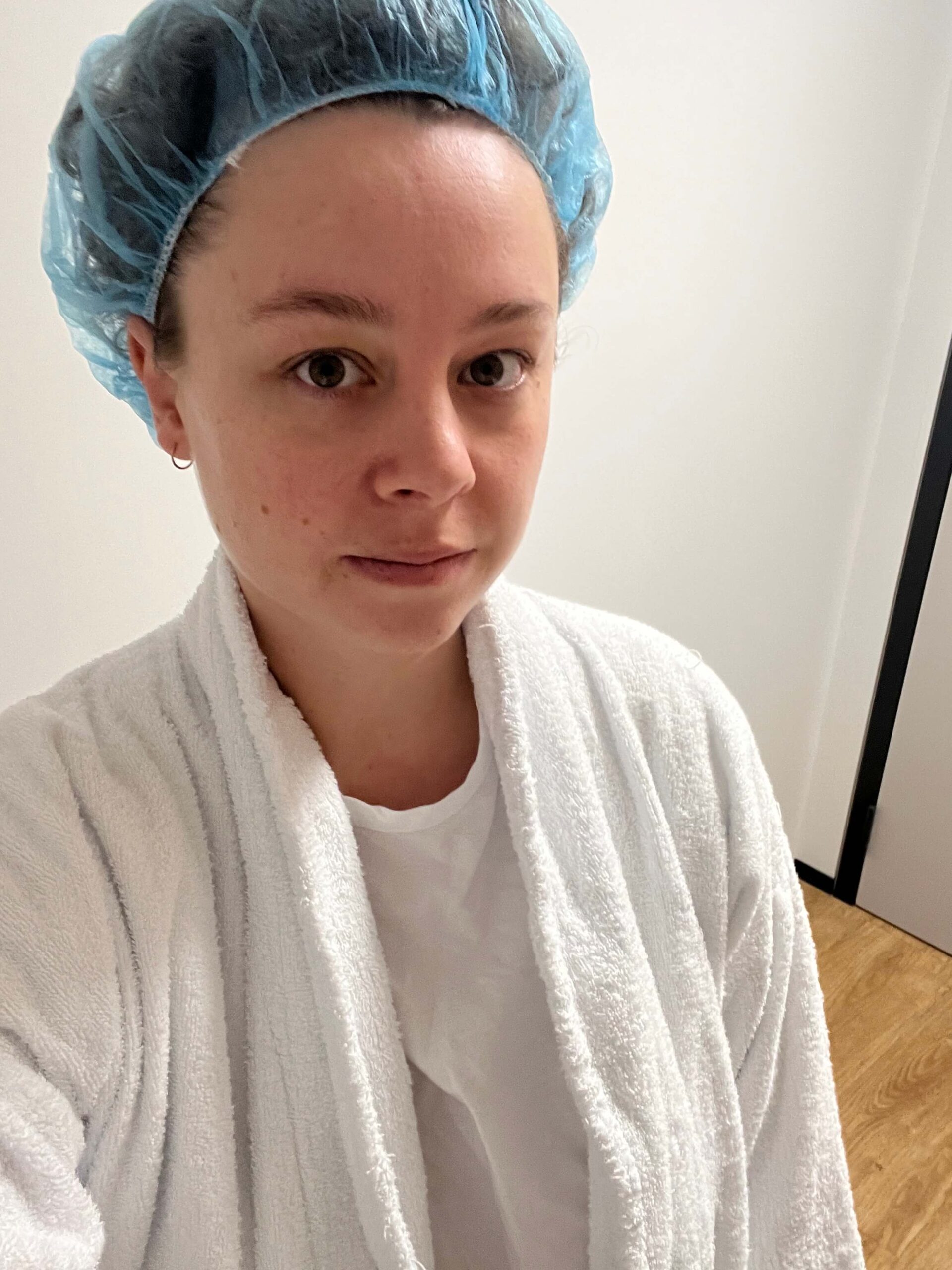
Chemo was by far the most gruelling part of my treatment. I ended up in the emergency department with severe pain in my jaw. Fatigue was overwhelming, and a constant burning sensation in my mouth made it hard to eat. It was a struggle just to look after my son, and I needed help from family and friends. The steroids for nausea left me swollen and unable to sleep. I remember it felt like a never-ending battle. Compared to that, radiotherapy was almost a relief.
 Overcoming Challenges
The physical toll of treatment didn’t end with chemotherapy. I developed peripheral neuropathy in my feet, which lasted for around nine months. For all that time, I could only wear oversized foam shoes. Thankfully, the condition eventually faded, and regular foot massages helped. However, the emotional challenges of cancer treatment lasted much longer. After treatment, I was left to deal with the lingering trauma of cancer, the constant anxiety about my health, the fear of relapse, and intrusive thoughts. These feelings have been tough to manage, and I’ve found it hard to find the right psychological support. It’s been a learning process, and I’m still working on managing these fears, but I’m getting better every day.
 Support and Resources
I discovered Lymphoma Australia during my treatment through a Google search, and I’m so glad I did. I ordered their welcome kit, which arrived beautifully packaged and filled with thoughtful items that made me feel genuinely cared for.
One of the most valuable supports for me was the nurse care line. I called several times throughout my treatment, often during difficult moments, and each conversation left me feeling calmer and more reassured. The nurses were warm, compassionate, and incredibly knowledgeable, which meant a lot, even to me as a doctor. It was such a comfort to know there was expert support available whenever I needed it.
I particularly appreciated how the nurses helped normalise the side effects I experienced during chemo and how gently they supported me through the fear of relapse after finishing treatment. At some of my lowest points, they truly held space for my emotions, offering perspective and unwavering kindness. Even when they couldn’t answer immediately, they always returned my call promptly and never rushed our conversations. It’s an incredibly validating and supportive service that I would highly recommend to anyone navigating lymphoma.
 I also joined the Lymphoma Australia Facebook support group, which became a real lifeline. The shared experiences, encouragement, and practical advice from the community have been invaluable, and I’m still an active member today. It continues to be a great source of strength and connection.
Looking Back and Moving Forward
Looking back, my experience with lymphoma has completely changed my perspective on life. While I gained trauma that will stay with me, I’ve also developed a deep appreciation for things I once took for granted. Getting older, having hair, and the small things I used to complain about now seem much more precious. Cancer has taught me not to sweat the small stuff, and I’ve learned to focus on what really matters.
The hardest part, though, is not letting cancer continue to haunt me. Even though I’m in remission, the fear of it returning still lingers. It’s like an unpleasant smell that you can’t quite shake, even when you try to move on and embrace life again. But I’ve learned to carry that fear with me, acknowledge it, and keep going. The journey isn’t linear, and it’s not easy, but I’ve come out the other side stronger. Lymphoma may have shaped my journey, but it won’t define my future.