Finding Strength After Diagnosis: Natasha’s Story
A Shocking Discovery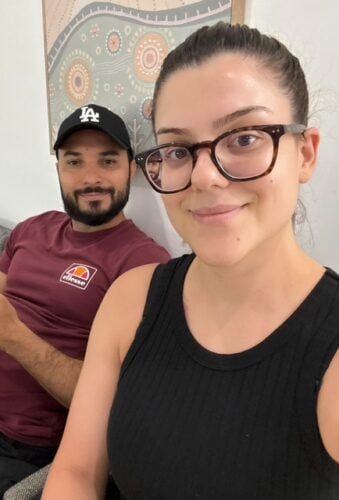
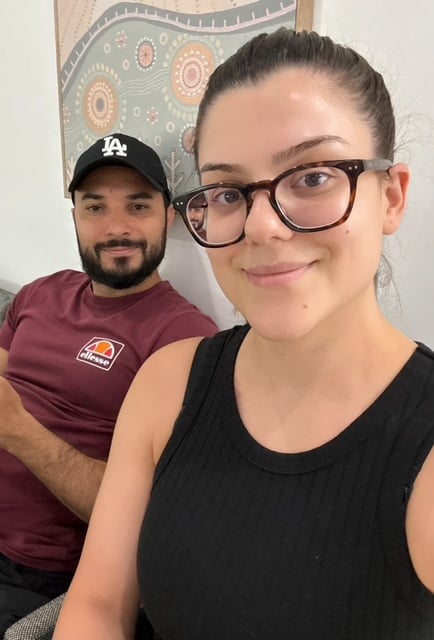
“I was eight days postpartum and, while breastfeeding at 3am, I noticed a lump on my neck. I went to the doctors straight away and he sent me to the hospital.”
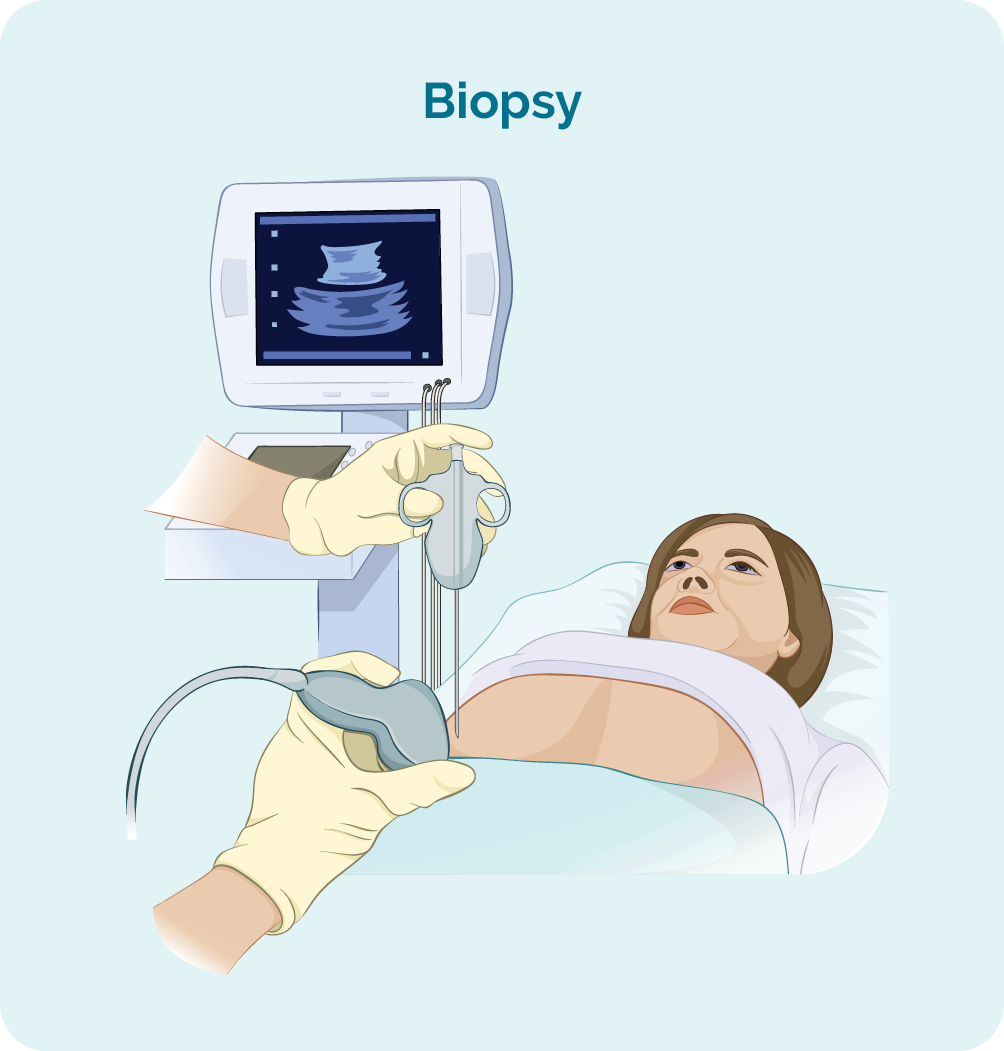
Natasha’s world changed overnight. After a CT scan, she was informed she had cancer that very day. Initially misdiagnosed with a rare lymphoma called Gray Zone Lymphoma, she pushed for a second biopsy.
“I was later diagnosed with the less rare and more easily treatable Classical Hodgkin Lymphoma, stage 2 unfavourable.”
Even before starting chemotherapy, Natasha faced another personal challenge: preserving her fertility. “I commenced IVF to freeze my eggs,” she recalls.
Early Symptoms and Pregnancy Challenges
Being pregnant made it hard to identify her symptoms.
“I had a cough that got progressively worse postpartum. I was breathless and had a few instances of a bleeding nose. During my third trimester I also had the flu, and it kept returning. I experienced severe body aches, and my skin was actually sore. I also had night sweats while sick with the flu.”
The early signs, combined with the emotional weight of new motherhood, made the months leading up to treatment particularly challenging.
 The Treatment Journey

Natasha began her first course of ABVD chemotherapy on 25 February. After just two cycles, a PET scan showed she was in remission.
“After that, my doctor dropped the Bleomycin as my lungs were showing slight impact, and since I was already in remission, it was no longer needed.”
She kept active and ate healthily throughout treatment, even as steroids increased her appetite.
“I would eat Weetbix an hour after dinner. I personally believe this helped me handle treatment the way I did.”
Natasha experienced side effects including slight nausea, fluctuating bowel issues, severe body aches, hair loss, taste changes, and occasional ulcers.
“By day eight after each cycle, I was mainly back to my normal self minus the bowel issues. Around round nine, my body began to find it difficult to bounce back, and the body aches and fatigue really set in. My last treatment was on 29 July 2025.”
Support Networks and Challenges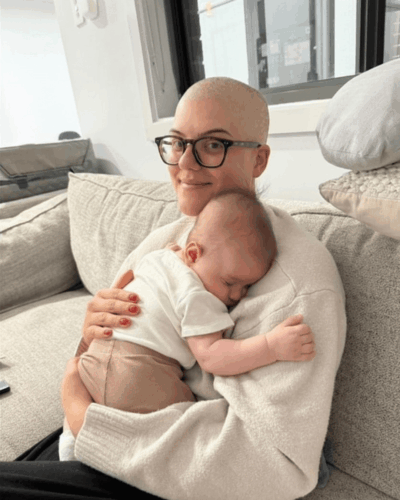
The emotional toll was significant.
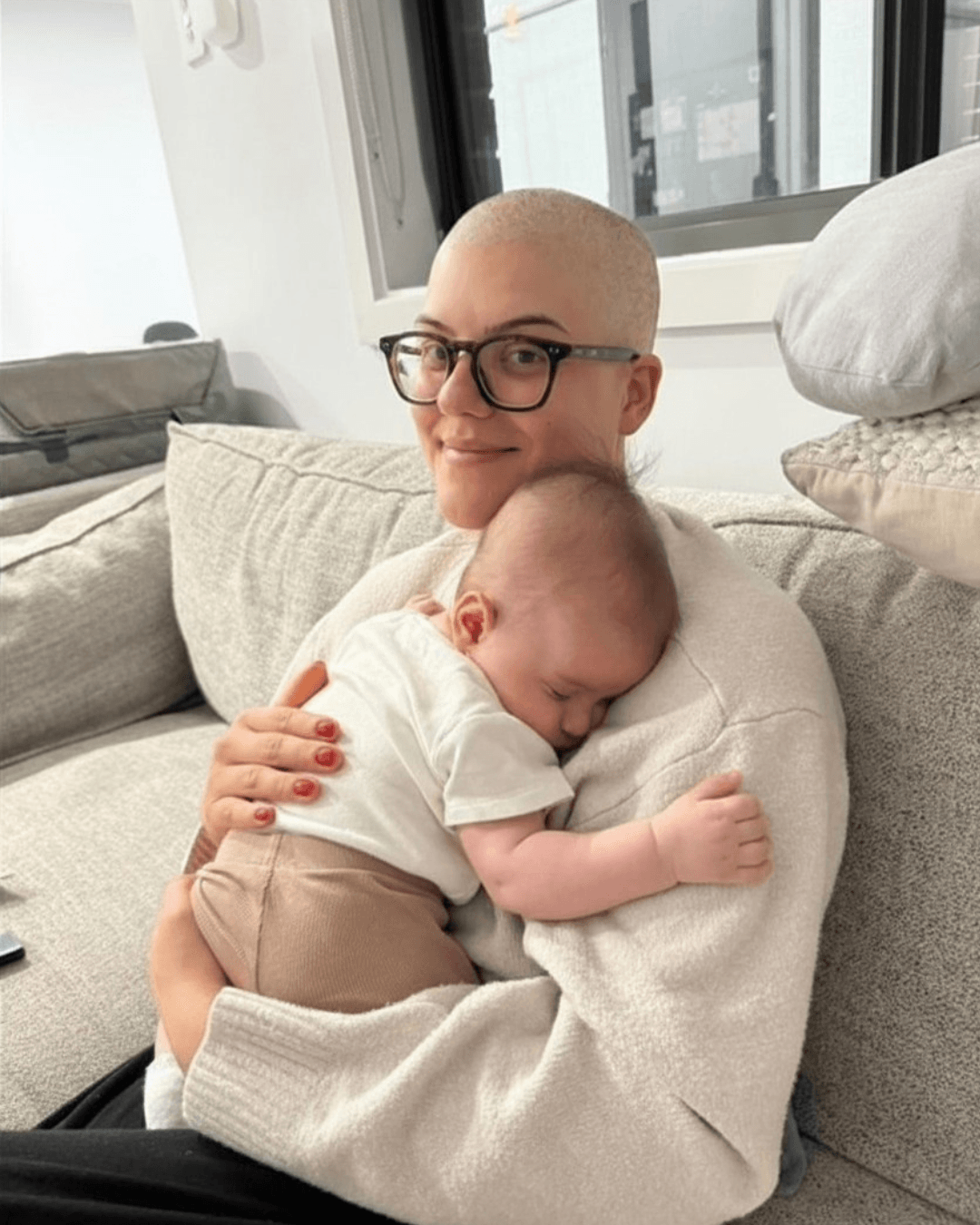
“Every second Sunday, the day before treatment, was the most difficult. I couldn’t spend precious moments with my son as I was instructed it was unsafe to be in close proximity to him post chemotherapy for seven days.”
Financial challenges also added stress. While most treatment was covered by Medicare, Natasha still faced costs for steroids, part of her second biopsy, and regular medications.
“It was difficult, but I had a strong support network. My family and friends took turns caring for me and my son to ensure we ended up in one piece.”
The Vital Role of Lymphoma Australia
Natasha found speaking with Lymphoma Australia nurses invaluable.
“During my appointments, it was difficult to ask questions because I was in shock. I couldn’t just speed dial my haematologist, so the nurses at Lymphoma Australia came in handy. They always provided support and answers to my questions.”
She accessed a wide range of services.
“I found Lymphoma Australia through a Google search and used everything: website resources, patient treatment packs, webinars, support groups, and the nurse care line.”
The patient pack was particularly helpful.
“I used the toothpaste after treatment as it was gentle. The Facebook groups helped me connect with others and not feel alone. And the nurses always provided timely information or just someone to talk to and bounce ideas off. Thank you.”
 Advice for Others
Reflecting on her experience, Natasha has important advice:
“Don’t be afraid to advocate for yourself. Bring support people to help have a voice or be your voice during appointments. Don’t be afraid to ask questions and do your own research.”
She also highlights the impact of medically induced menopause during treatment.
“The drug Zolodex helped preserve my fertility, but I wish I had known what it would do beforehand. I experienced hot flushes, dryness all over, aches and pains in my joints as it cuts off oestrogen from the brain.”
Finally, she credits exercise and a healthy diet with helping her through treatment.
“I didn’t lose or gain weight. I stayed consistent, ate balanced meals with lots of protein and vegetables, and still indulged in sweets here and there.”
Life in Remission
Now in remission, Natasha’s story is one of resilience, determination, and the power of support.
“Post-care for cancer patients is so important. Physical and mental therapy are essential post treatment and should be taken seriously. Post treatment doesn’t just refer to immediately after treatment but can continue for years.”
Her experience highlights the vital role of services like Lymphoma Australia in guiding patients through complex treatment journeys.
Natasha’s story offers hope and encouragement to anyone facing lymphoma, showing that with support, determination, and self-advocacy, recovery is possible.