Diagnosis
The first sign that something was seriously wrong came by phone in May 2024. My phone vibrated on my bedside table. It was my son, Tasman, calling from Darwin. It was late, and the news could not be good.
“Mum, the doctors have found some tumours on my intestine. They think it could be cancer.”
I was in shock. He was young and fit, there was no family history of cancer, and suddenly I was imagining him sitting alone in a fluorescent lit hospital room without family there to hug him.
Tasman had already been experiencing repeated vomiting, weight loss and tiredness. Perhaps part of him was relieved to finally have an explanation for what had been happening, but he must also have been frightened. Even then, he was trying to comfort me and telling me not to worry. I managed to find the words: “Come home.” And: “I love you.” It was Wednesday, 8 May 2024.
Then came the agonising period of not knowing exactly what type of cancer he had. I was updating family while trying not to misinterpret or overcomplicate the information coming from his medical team.
I became alert to every phone call from the hospital, waiting for news or the next appointment or scan that might take us one step closer to an answer.
The care Tasman received was excellent, timely and necessary. Even so, the worry never completely disappeared.
Treatment
Tasman received 4 rounds of chemotherapy. The treatment pattern was 16 days, followed by a rest period, then 7 days, another rest, another 16 days and finally 7 days.
Chemotherapy could be given daily or every other day, with each drug taking anywhere from 30 minutes to several hours to administer. Some chemotherapy was delivered through a PICC, a peripherally inserted central catheter in his arm. In Tasman’s case, some treatment was also administered directly into his central nervous system through a lumbar puncture. Tas found the lumbar punctures particularly tough. He asked for coffee those days.
During treatment, he experienced headaches and lethargy. Before treatment, vomiting, weight loss and tiredness had been significant symptoms. After treatment, his return to health was slow.
Living With the Worry
One of the hardest things for me was what happened mentally in the spaces between treatment. When there were breaks between chemotherapy rounds, the fear had room to creep back in. Will the ‘aggressive lymphoma’ grow back while he’s waiting for a hospital bed? That was the type of thought that could take hold.
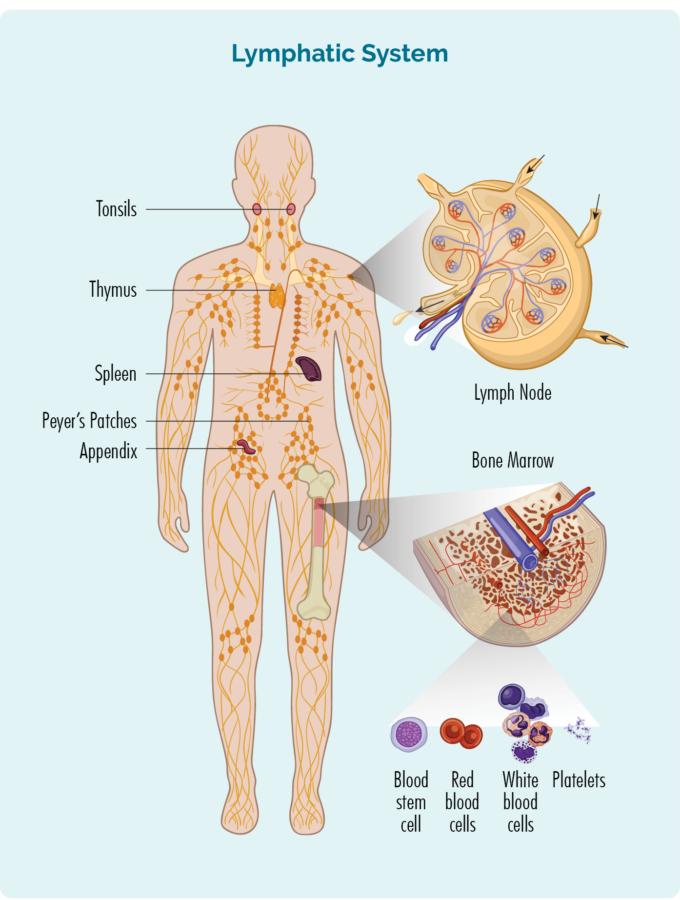
Cancer is common, and most people know someone who has been affected by it, but until you are close to it, it can be difficult to understand what chemotherapy actually involves and how consuming the whole experience can become.
Tasman’s Strength
One of the things that amazed me most was Tasman’s mental strength. I learnt that some parts of the body are more resilient to chemotherapy than others, but his mental capacity seemed to be the most resilient of all. That was not just because he kept winning our hospital Scrabble games. It was his whole outlook.
He got dealt a shitty card, but he didn’t dwell in the doldrums. He remained respectful and chirpy as a patient. He approached recovery with determination. He has attacked recovery like a mountaineer climbing Everest.
It was an incredibly difficult chapter for him, but he continued to focus on what he could take from it. He came away with a renewed sense of himself and his purpose, and a greater appreciation for time with family and friends.
The Impact on Me
I took carer’s leave from work during Tasman’s treatment, and my boss was very supportive. There was no real way to neatly balance everything.
Tasman could not work, which created a financial challenge, although that felt less important than the physical and mental health challenges he was facing.
For me, caring for him also took a toll on my own health and on my relationship with my partner. I feel like I have been through Mum’s old wringer washing machine these last few months. I had to remind myself not to give too much space to my own tendency towards melancholy. Tasman was okay. We could begin to put this chapter behind us.
Finding Support
A friend sent me a link to the Lymphoma Australia website. I read the patient stories and found comfort in knowing that support was there if I wanted or needed it. Sometimes simply knowing that help is available makes a difference.
My advice to other families is to allow people to support you. You do not have to manage everything on your own.
Finding the Silver Linings
This experience changed the way I think about what matters. Like Tasman, I am trying to focus on the positives. It reminded me of my priorities. It taught me more about saying no. It reminded me that life is precious. And most of all, it reinforced what being a mum means to me.
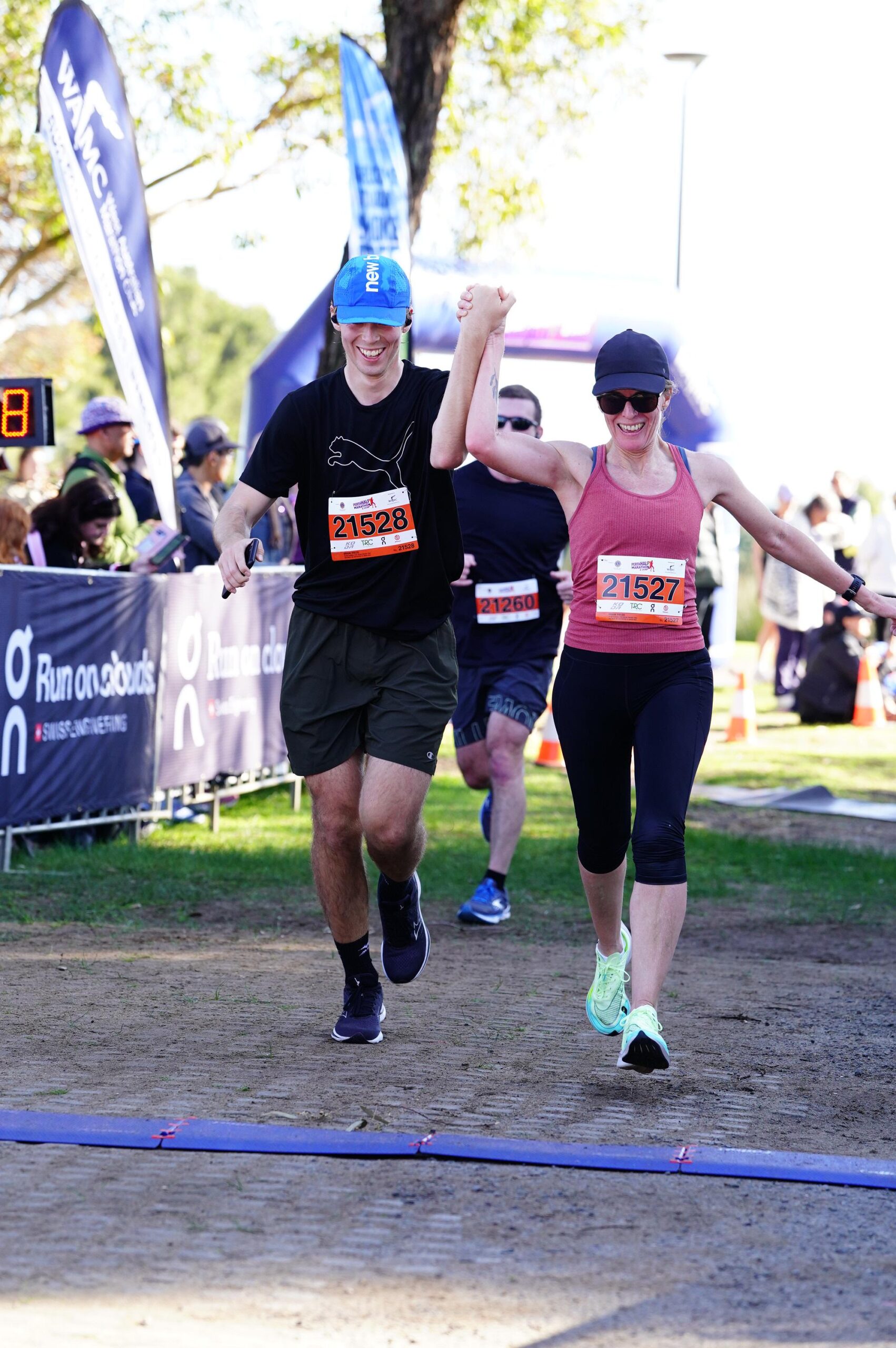
Life is a precious gift and being a mum the most precious gift of all. Tasman has completed treatment and is slowly returning to health.
He has come through an extraordinarily difficult period with his positive outlook intact, and that has influenced how I look at life too.
Understanding Tasman’s Diagnosis
For simplicity, Tasman referred to his cancer as “Burkitt’s lymphoma” in his own story.
The way his cancer presented and the treatment he received were very similar to Burkitt’s lymphoma, although his diagnosis was Non Hodgkin Lymphoma of unspecified origin.
By 16 October of that same year, we could look back on months that had changed both of us. There had been fear, uncertainty, treatment and exhaustion, but there had also been family, support, resilience and a renewed appreciation for life.