Diagnosis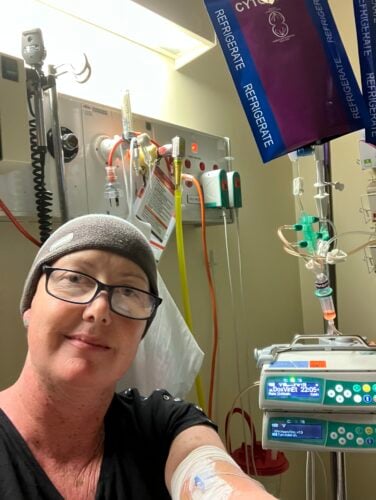
I was diagnosed in February 2023 after going to my local GP with a swollen neck. I had been feeling off since Christmas, with fatigue and then vertigo. An ultrasound arranged by my GP identified a DVT in my jugular vein.
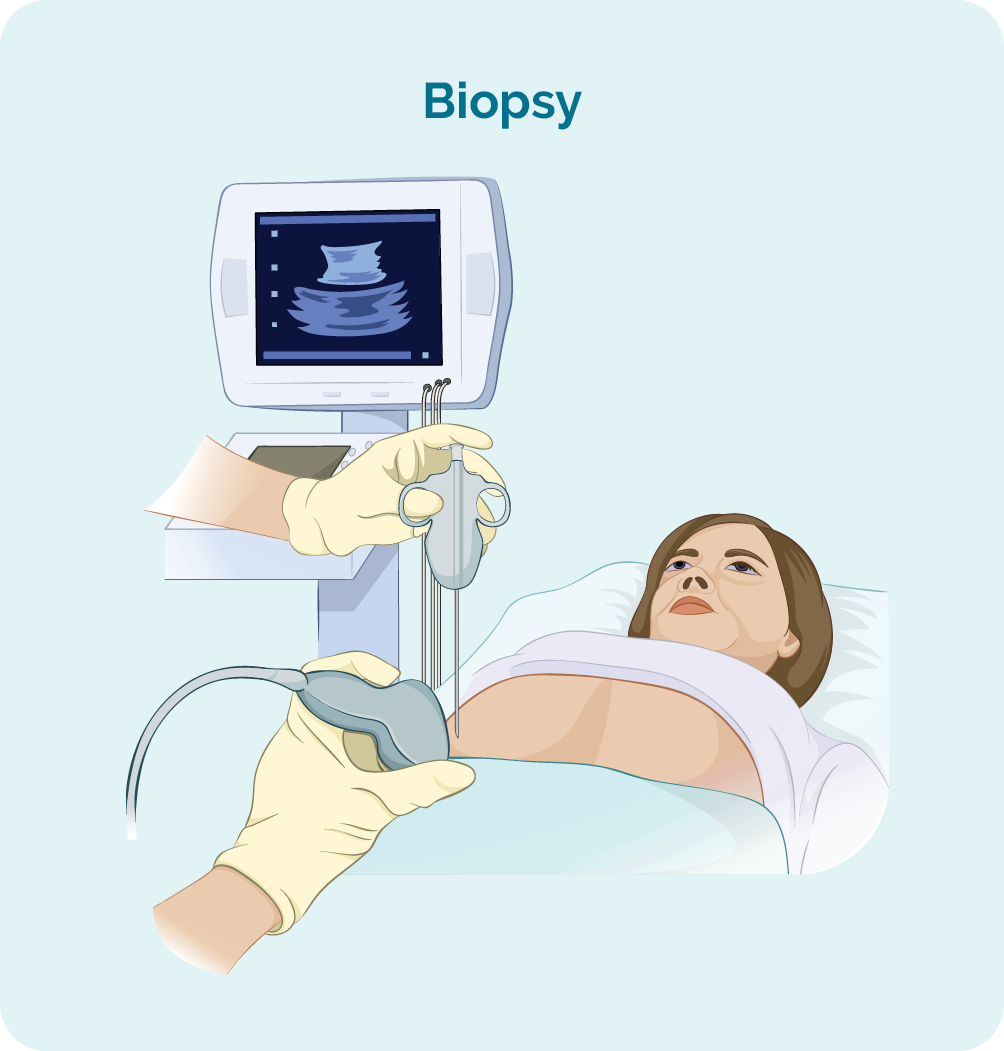
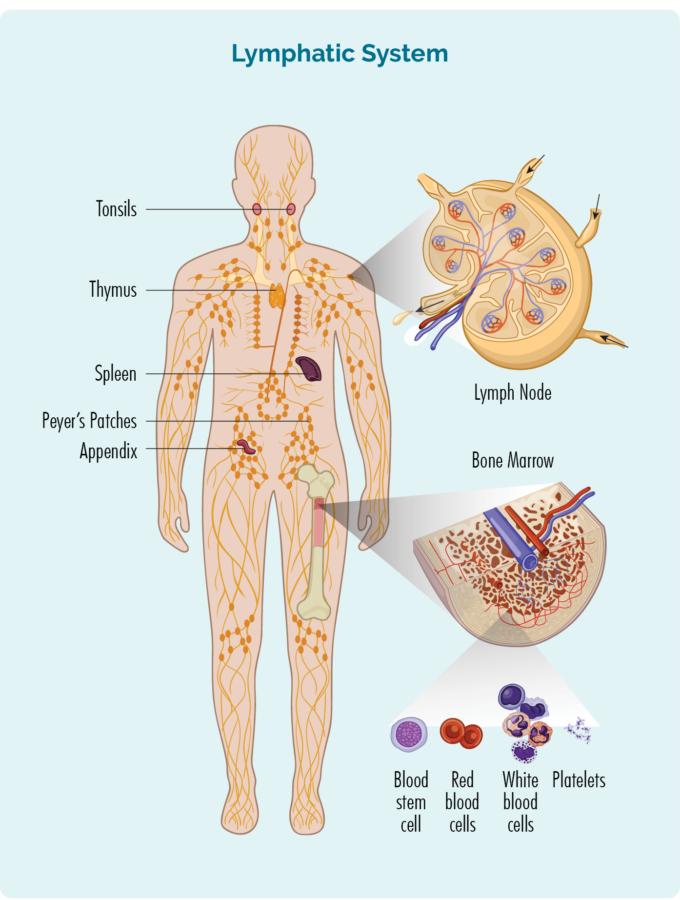
Within a week, the swelling became worse and I was transferred to Perth. An emergency CT scan showed lymphoma in my chest. Getting a biopsy was difficult because the lymphoma was causing fluid around my heart, which meant I could not be given an anesthetic.
I was started on steroids to reduce the mass, and a PET scan was used to identify the best lymph node to biopsy. When the biopsy was finally done, around 90% of the lymphoma in that node was already dead. An interim diagnosis of DLBCL was made, but there was no subtype at that stage.
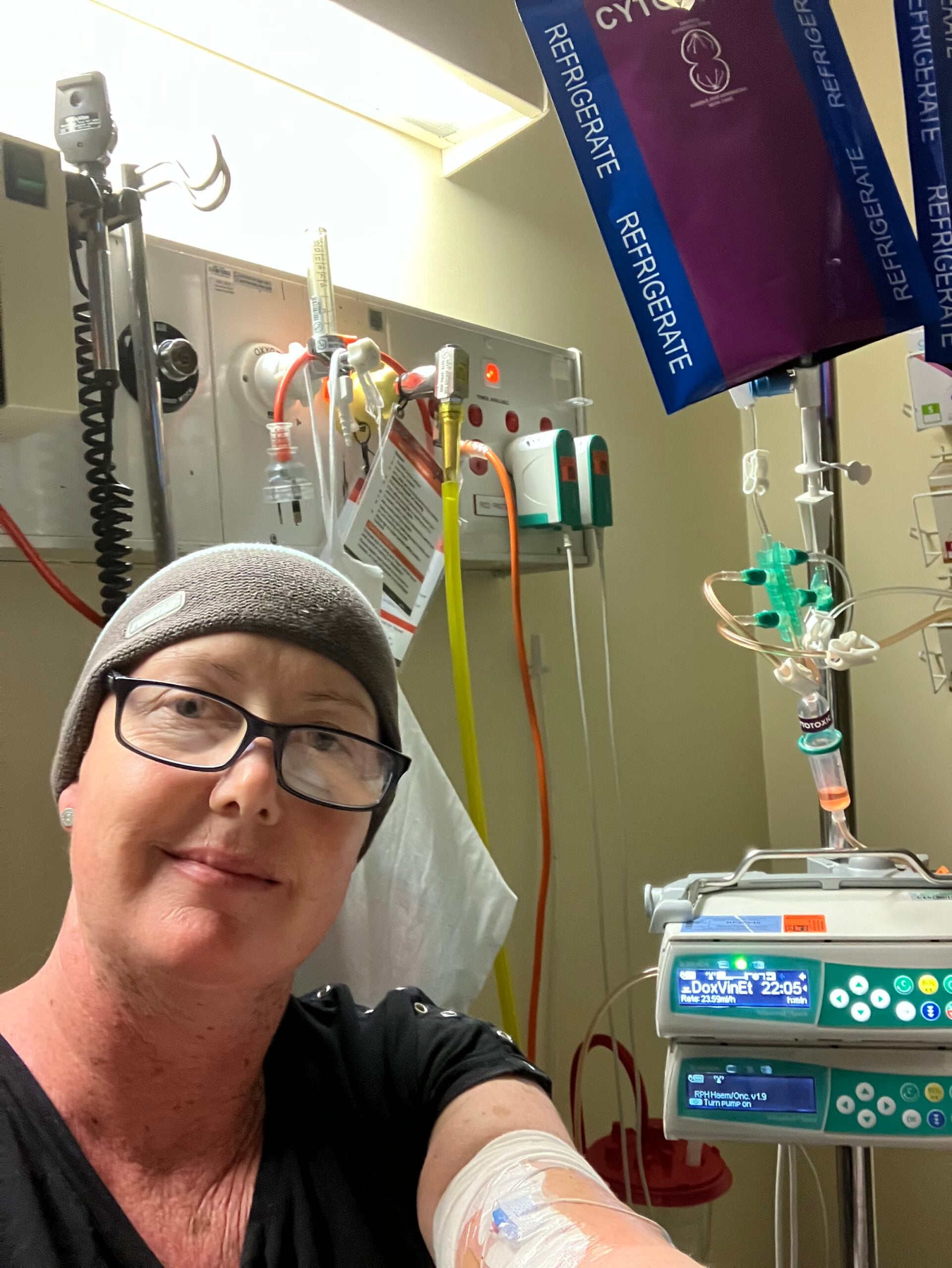
I was very unwell by then and chemo was the only thing that could make me better. I started DA R EPOCH just three days after the biopsy.
Treatment
I am currently on my fourth cycle of treatment.
Since starting treatment, the subtype has been identified as Primary Mediastinal B Cell Lymphoma, or PMBCL.
I am now in 100% remission.
The treatment has involved ongoing blood tests, hospital admissions and a lot of travel between home and Perth.
Being Away From Home
I come from a small rural community, so the distance from home has been one of the harder parts. Being in hospital in Perth, along with ongoing blood tests and readmissions, has meant a lot of travelling.
I have not been able to work since my diagnosis.
Family and Community Support
I have 3 children and an amazing husband who has looked after me so well. Our local community has also been incredibly kind and supportive.
Having that support around us has made a huge difference, especially while dealing with treatment away from home.
Finding Lymphoma Australia
The lymphoma nurse was fantastic when I was first diagnosed. She gave us lots of information about Lymphoma Australia and also helped us with how to talk to the children about my diagnosis.
I have used the Facebook groups, website information and support from a lymphoma care nurse. That combination of practical information and personal support helped make the early days feel more manageable.
Advice for Someone Newly Diagnosed
One of the most important things I would say is to keep communicating with your doctors and nurses. Always let them know if something is worrying you. Do not assume something is too small to mention.
I would also suggest drinking plenty of fluids and looking after your mouth hygiene during treatment. And one practical thing I learnt is not to wait until constipation becomes a problem.
Looking Forward
My diagnosis and treatment happened very quickly, and there were times when I was extremely unwell.
Being away from home, unable to work and needing ongoing hospital care has been difficult. But I have also had strong support from my husband, children, community, medical team and Lymphoma Australia.
Now, while I continue treatment, I am in 100% remission and focused on getting through each cycle with the support around me.