Diagnosis
After the 2023 Sydney Marathon, I started feeling unusually fatigued and running became harder. My GP and I initially thought it might be from overtraining after the race, so I tried iron supplements. They did not help.
Over Christmas, I started having stomach issues and could only manage small meals. My running was becoming more difficult too, so I went back to my GP.
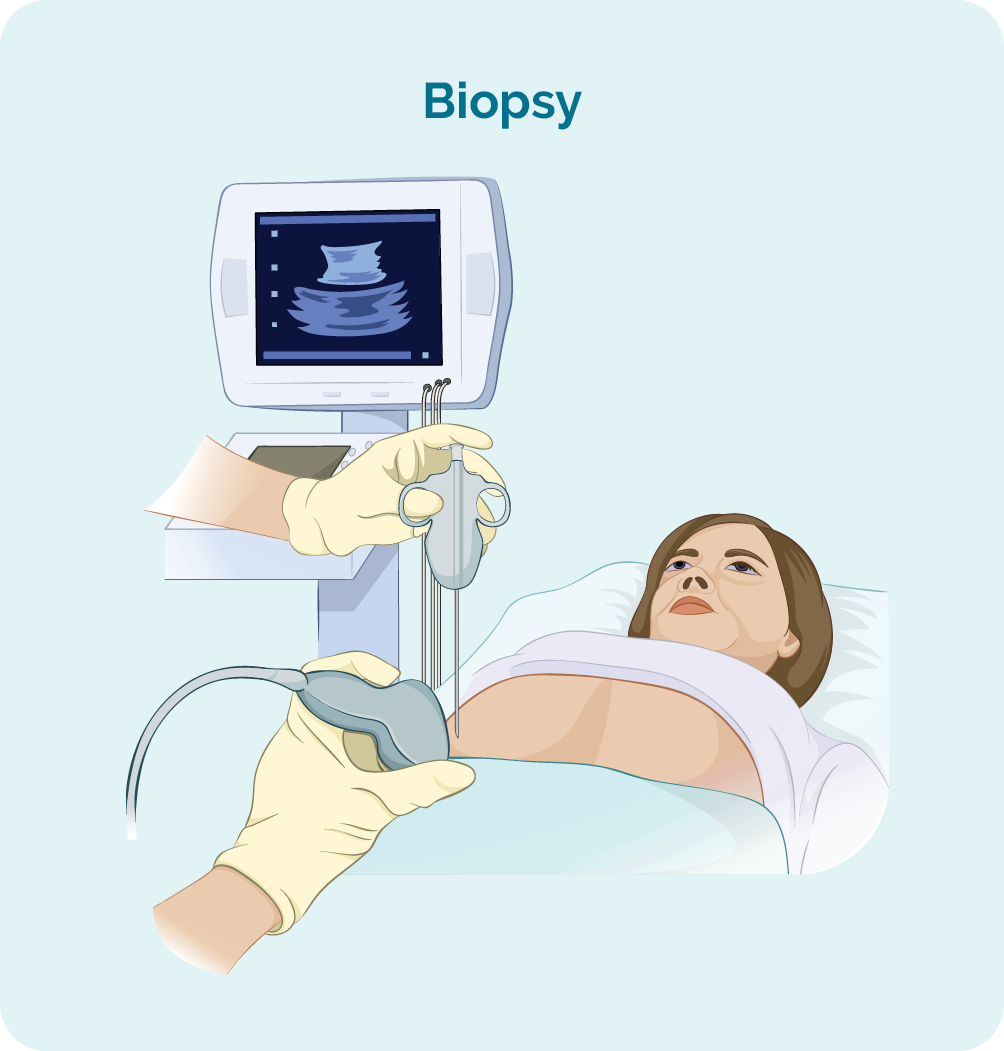
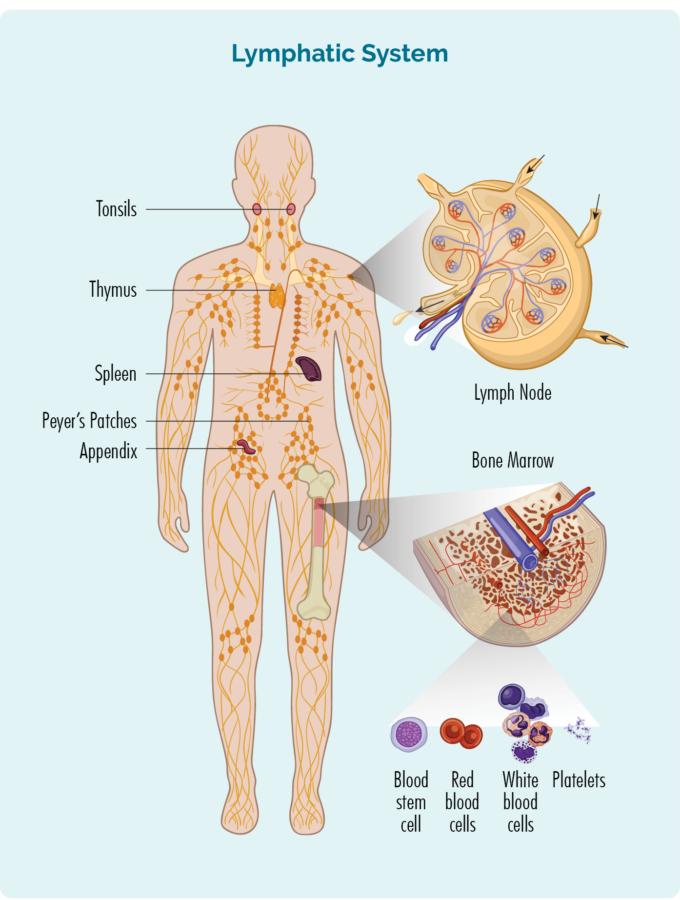
More blood tests were arranged, and my GP could feel that my spleen was around two to three times larger than it should have been. Fortunately, I was able to have a PET scan and bone marrow biopsy quickly.
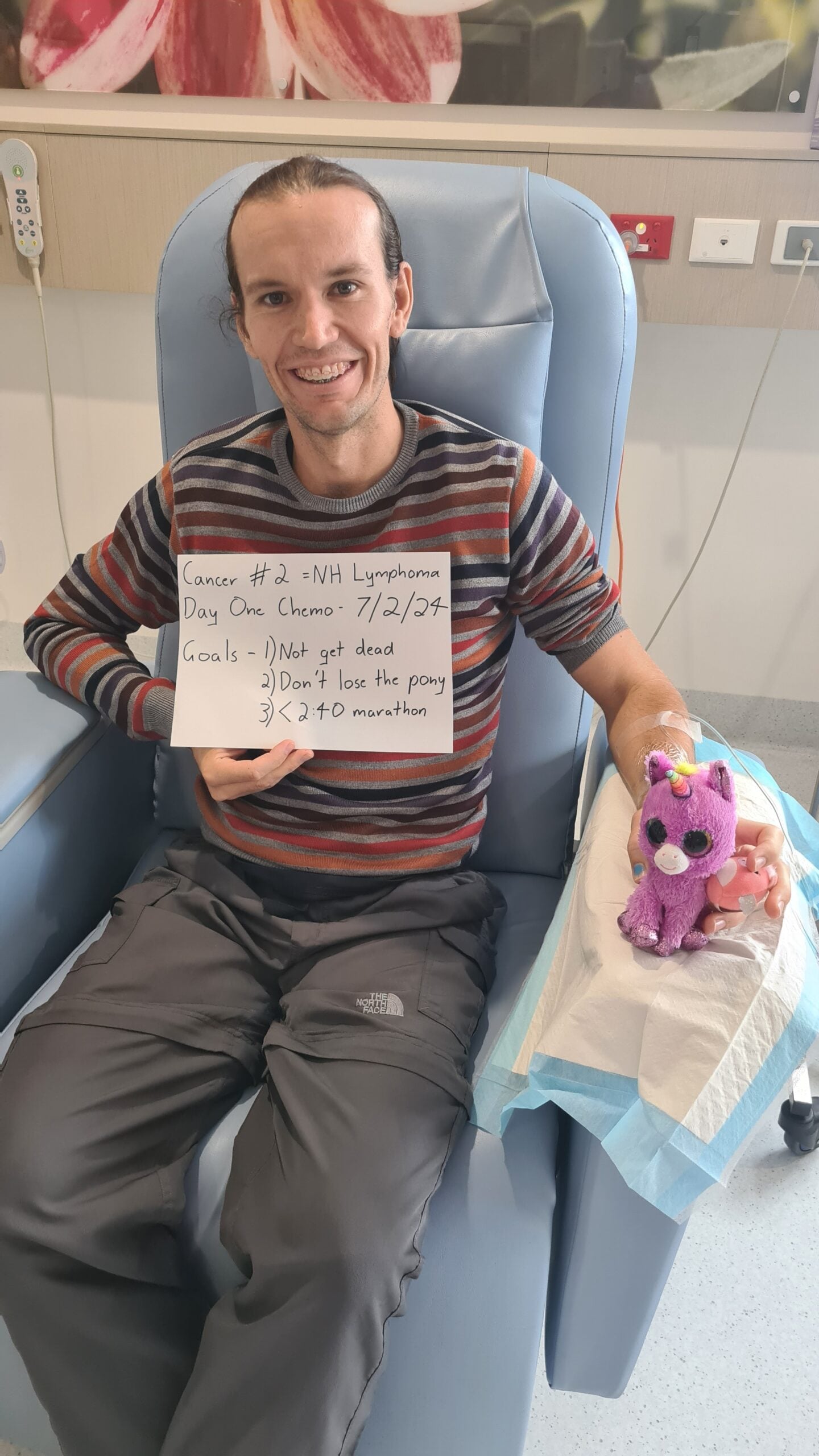
In January 2024, I found out I had grade 4 Mantle Cell Lymphoma. I was lucky to start chemo within a couple of weeks of going back to my GP.
Before diagnosis, my symptoms included fatigue, an increased heart rate, bloating, an enlarged spleen and night sweats. Looking back, I knew something was not right. Trust yourself, you know your body best.
Treatment
I have had 5 treatments of Bendamustine and Rituximab, with my 6th coming up in a few weeks.
During my first treatment, I had 2 reactions to Rituximab, but fortunately I have not had any ongoing problems from that. My main side effects have been constipation for a few days after treatment and a dry scalp.
Staying physically active has been challenging, mainly during the first 2 cycles, however since then it has gotten easier. Remaining active has been important to me, particularly because running was such a big part of my life before diagnosis.
Accessing Care
Both my wife and I work in healthcare, and our knowledge of the health system has helped make the process easier. I was also fortunate to find a haematologist who understood me and my situation. Luckily my haematologist is also a runner. Having that shared understanding has been helpful, especially when discussing staying active during treatment.
Family, Work and Priorities
My diagnosis made me rethink what matters most. I have focused more on spending quality time with my wife and kids.
Both of my employers have also been very supportive and encouraged me to make sure my work and life balance was working for me. That support has made it easier to focus on treatment, recovery and family.
The Social Side of Cancer
One challenge I did not necessarily expect was how some friendships changed. I think the cancer word scares a lot of people off. Maintaining some friendships has been difficult, and that has been another part of adjusting to the diagnosis.
Finding Lymphoma Australia
I first came across Lymphoma Australia while searching online for information about my diagnosis. I have used the website resources, Facebook support group and patient treatment pack. Having access to evidence based information has been particularly useful.
The patient pack also provided a whole lot of stuff that I didn’t know I would need but have needed and used. The Facebook support group has also given me access to people who understand what living with lymphoma and treatment can involve.
Advice for Someone Newly Diagnosed
One of my biggest pieces of advice is to find a good haematologist who understands you and your circumstances. It is also important to trust yourself and pay attention to what your body is telling you.
The stats, for example mortality, do not reflect everyone’s experience. Numbers can be confronting, but they do not tell the whole story of any one person.
For me, staying active has also been important. That may look different during treatment, but continuing to move when I can has helped me feel more like myself.
Looking Ahead
I am still receiving treatment and preparing for my 6th cycle. The first few months were challenging, particularly physically, but things have gradually become easier.
Through it all, I have focused on family, staying active, trusting my medical team and listening to my own body.
The diagnosis changed my priorities, but it has also reinforced how important it is to spend time on the people and things that matter most.